 TECH TIMES NEWS
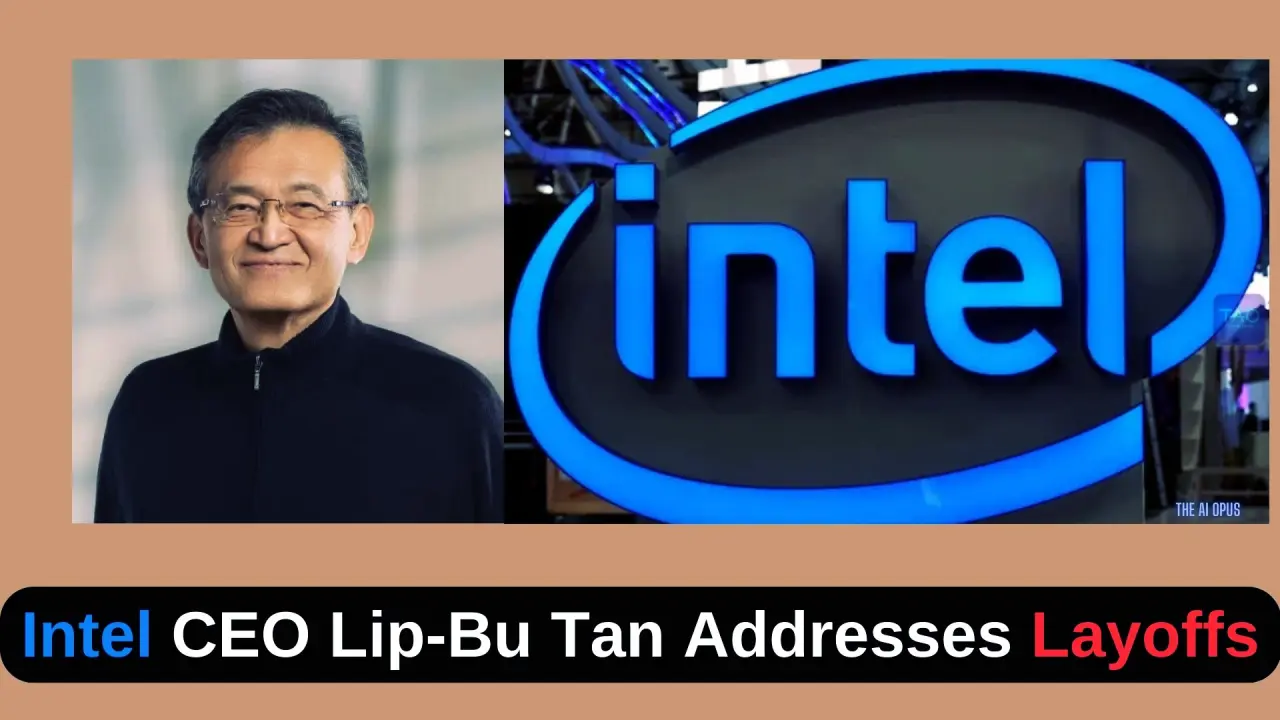
In a bold move aimed at realigning the company’s strategy amid intensifying global chip competition, Intel CEO Lip-Bu Tan has announced a significant organizational restructuring that will include workforce reductions across multiple divisions of the iconic American chipmaker.
The decision, unveiled during a company-wide internal memo and later confirmed in a press briefing, signals a pivot toward operational efficiency and a renewed focus on innovation in core sectors such as AI accelerators, advanced node development, and foundry services.
A Strategic Reset
Lip-Bu Tan, who stepped into the top job earlier this year after previously serving as chairman of Cadence Design Systems, has emphasized that the restructuring is not merely a cost-cutting measure, but part of a larger strategic reset.
"Intel must evolve to stay competitive," Tan stated. "We are operating in a vastly different landscape than a decade ago. The rise of AI, geopolitical pressures on supply chains, and fierce competition from Asia and other regions mean we must become leaner, faster, and more innovative."
Although Tan did not provide an exact figure, sources familiar with the matter suggest the layoffs could affect thousands of employees globally, particularly in non-core functions and overlapping roles inherited through past acquisitions.
Market and Industry Context
Intel has faced mounting pressure over the past few years. Rivals such as AMD and NVIDIA have outpaced the company in key segments like high-performance computing and AI GPUs, while Taiwan Semiconductor Manufacturing Company (TSMC) continues to dominate the advanced node foundry space.
Intel’s previous CEO, Pat Gelsinger, had initiated major investments in U.S. and European manufacturing infrastructure, but execution delays and lagging innovation timelines have frustrated investors and customers alike. Tan’s arrival brought a more aggressive tone, with promises to revitalize Intel’s product roadmap and reassert U.S. leadership in semiconductor manufacturing.
Employee Concerns and Transition Support
Internally, the announcement has sparked concern and uncertainty among Intel’s global workforce of over 120,000. The company has pledged to offer comprehensive severance packages, outplacement support, and retraining opportunities for affected employees.
"We deeply value the contributions of every team member," said Tan. "This transition will be handled with respect and transparency. But change is essential if we are to thrive in the decade ahead."
Looking Forward
Intel's restructuring comes at a time when the U.S. government is pushing for greater domestic chip production through the CHIPS Act, offering billions in incentives to manufacturers. Industry analysts believe Intel’s new strategy could better align with these national priorities, particularly if the company manages to streamline operations and bring next-generation technologies to market more quickly.
"Intel has the talent, the legacy, and the infrastructure to lead again," Tan asserted. "But to do so, we must make difficult decisions now to ensure long-term success."
The coming months will be crucial as the industry watches how Intel balances workforce reduction with the ambitious innovation agenda Tan has laid out. For now, the message from Intel’s new leadership is clear: transformation is not optional — it's imperative.