 TECH TIMES NEWS
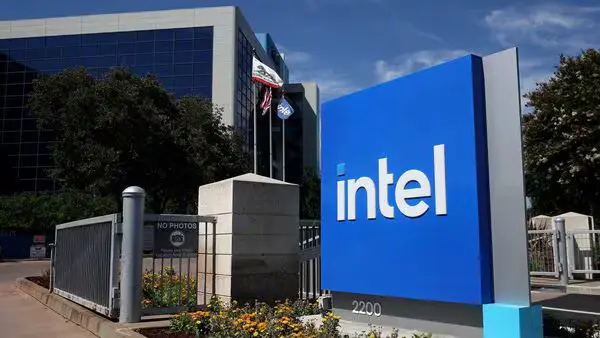
In a move that signals a major shift in strategy for one of the world’s leading semiconductor giants, Intel Corporation is reportedly preparing to lay off more than 20% of its global workforce, according to multiple sources familiar with internal discussions.
The decision, which has not yet been officially confirmed by the company, is believed to be part of a broader effort to streamline operations, reduce costs, and refocus resources amid intensifying competition and ongoing challenges in the global chip market.
Restructuring to Face Industry Headwinds
The tech industry has faced a turbulent period in recent years, with geopolitical tensions, sluggish PC demand, and a slowdown in cloud infrastructure spending all taking a toll on semiconductor firms. Intel, in particular, has been under pressure to regain its footing after losing market share to rivals like AMD and NVIDIA, as well as facing delays in the rollout of its next-generation process nodes.
Sources say the cuts will be wide-ranging, affecting both technical and non-technical departments, with some regional offices facing deeper reductions than others. The company currently employs around 120,000 people worldwide, which means over 24,000 employees could be impacted if the reported 20% figure holds.
“This is not just a cost-cutting measure—it’s a pivot,” said one person close to the matter who asked not to be identified. “Intel is reorganizing to be leaner, more agile, and better aligned with future opportunities in AI, foundry services, and high-performance computing.”
CEO Gelsinger’s Vision Under Pressure
Since returning to Intel in 2021 as CEO, Pat Gelsinger has embarked on an ambitious turnaround plan aimed at restoring the company’s dominance in chip manufacturing and innovation. This includes a multibillion-dollar investment in new fabrication facilities across the U.S. and Europe, part of its push to become a global foundry powerhouse.
However, those long-term bets come with short-term financial strains. In its most recent quarterly earnings, Intel reported a year-over-year revenue decline, and analysts have flagged concerns about shrinking margins and slowing growth in legacy markets like desktop processors.
The rumored layoffs appear to be a response to mounting investor pressure to cut spending and improve profitability.
Employee Uncertainty and Industry Reaction
While the scope and timing of the job cuts remain unclear, internal anxiety is reportedly growing, with some teams already seeing hiring freezes and travel restrictions. Industry analysts suggest Intel’s move may spur similar belt-tightening across the chip sector.
“This signals that even the largest players are bracing for a prolonged adjustment phase,” said Dr. Nina Han, a semiconductor analyst at FutureCore Research. “It’s not just cyclical—it’s structural. The industry is changing fast.”
Intel has not issued an official statement regarding the workforce reduction. A spokesperson for the company said they do not comment on rumors or speculation, but reiterated Intel’s commitment to its “IDM 2.0” strategy and its role in “leading the semiconductor industry forward.”
If confirmed, the layoffs would mark one of the largest workforce reductions in Intel’s history, rivaling the cuts made during the 2000 dot-com crash and the 2016 restructuring.
What's Next for Intel?
As Intel navigates this transformation, attention will likely turn to how the company balances cost reductions with its long-term innovation goals. With increasing investment in AI, edge computing, and custom silicon, the company’s ability to retain top engineering talent amid layoffs could be critical to its future competitiveness.