 TECH TIMES NEWS
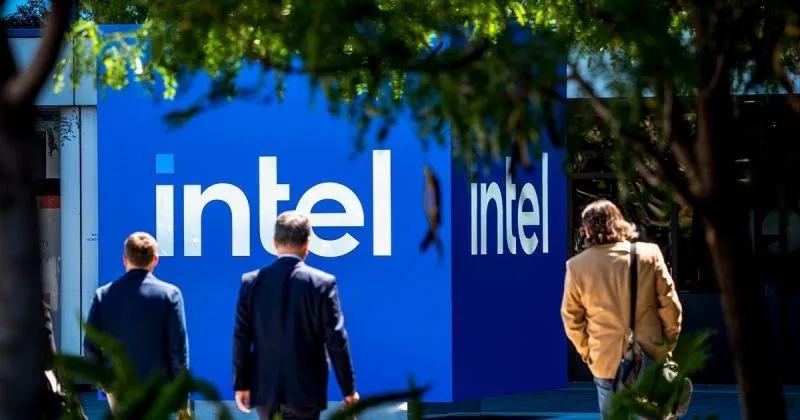
Intel Corporation faced a sharp drop in its stock price this week, as cautious forecasts for the coming months overshadowed Chief Executive Officer Pat Gelsinger’s reassurances about the company's long-term revival strategy.
On Thursday, Intel reported its latest quarterly earnings, which narrowly beat Wall Street’s modest expectations. However, it was the company's guidance for the next quarter — predicting weaker-than-expected revenue and profit margins — that rattled investors. Shares fell by more than 8% in after-hours trading, erasing gains that had been building on hopes of a sustained turnaround under Gelsinger’s leadership.
"We are executing our strategy with discipline, but the road ahead remains challenging," Gelsinger acknowledged during the earnings call. He emphasized Intel's progress in regaining technological leadership, expanding its foundry business, and strengthening its AI chip portfolio. Still, many analysts pointed out that these initiatives will take time to materially impact Intel's bottom line, leaving the company vulnerable in an increasingly competitive semiconductor market.
Intel has been struggling to regain ground lost to rivals like AMD and Nvidia in recent years. While the company is investing heavily in manufacturing and next-generation process nodes, it remains under pressure from both supply chain disruptions and a global slowdown in PC demand — sectors that once reliably fueled Intel's dominance.
Adding to the concern, Intel’s Data Center and AI Group, traditionally a pillar of profitability, reported only modest growth. Meanwhile, its Client Computing Group — the division responsible for chips in personal computers — showed signs of lingering weakness, despite a broader industry rebound.
Financially, Intel posted revenue of $12.7 billion for the quarter, slightly above analyst estimates. Adjusted earnings per share came in at 18 cents, beating the consensus expectation of 14 cents. Yet, the company forecast second-quarter revenue in the range of $12.5 billion to $13.5 billion, falling short of what investors had hoped for. Margins are also expected to remain under pressure as Intel ramps up spending on research, new fabs, and foundry operations.
"Intel is in the midst of an ambitious and costly transition," said Daniel Morgan, senior portfolio manager at Synovus Trust Company. "While Gelsinger’s strategy is sound, the market is impatient. Investors want to see proof that these investments will translate into real competitive advantages before they are willing to bet on a full recovery."
The market's reaction highlights the tension between Intel’s long-term vision and short-term realities. Gelsinger, who returned to the company he once helped build after a stint at VMware, remains committed to making Intel the "undisputed leader" in every segment it competes in. Yet with rivals moving quickly and economic uncertainty clouding the path forward, the pressure to deliver tangible results is mounting.
As Intel moves through 2025, all eyes will remain on its progress in critical areas like advanced chip manufacturing, AI processors, and its growing Intel Foundry Services division. For now, however, investor patience appears to be wearing thin.