 TECH TIMES NEWS
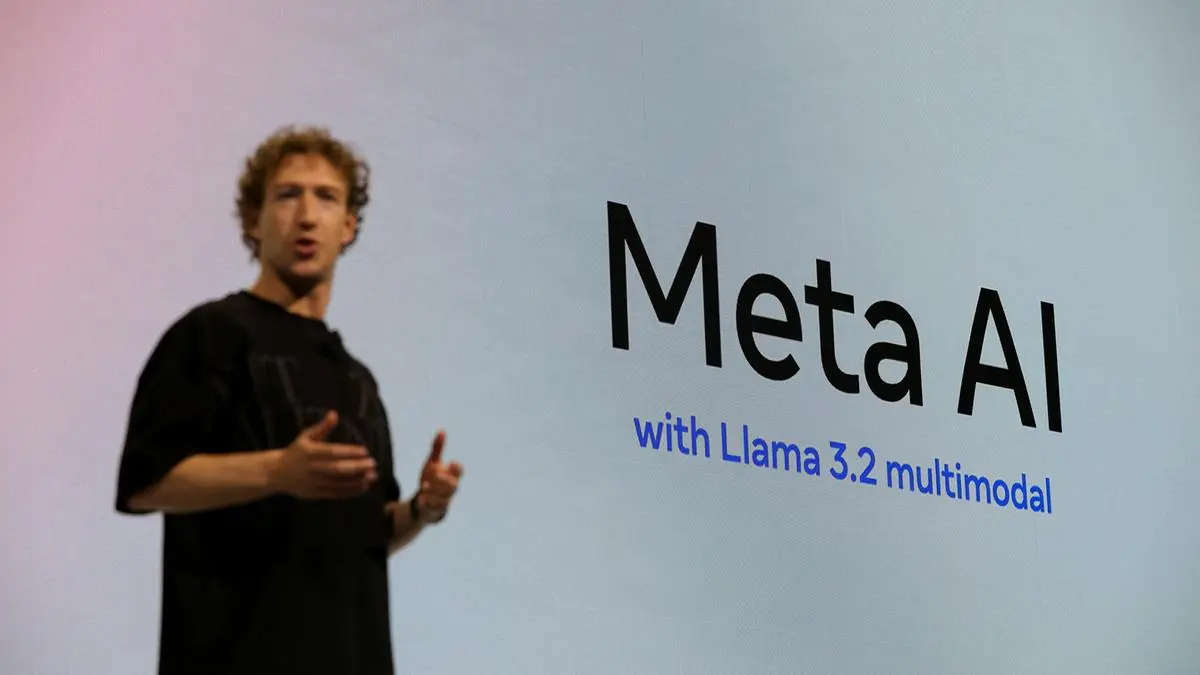
Meta Platforms Inc., the parent company of Facebook, Instagram, and WhatsApp, is making one of its boldest plays yet—massive investment in artificial intelligence talent. With the global AI arms race intensifying, Meta is reportedly offering salaries in the millions to lure top minds in machine learning, large language models, and generative AI from rivals such as OpenAI, Google DeepMind, and Anthropic. The goal: to become a dominant force in the next era of computing.
Big Paychecks, Bigger Ambitions
According to internal reports and industry insiders, Meta is targeting elite researchers and AI engineers with lucrative packages that include massive stock options, research autonomy, and cutting-edge infrastructure. The company is rapidly expanding its AI division—particularly the team behind LLaMA (Large Language Model Meta AI), the open-source alternative to ChatGPT. Meta’s latest hires include alumni from top AI labs who are now working on building powerful foundation models to support its metaverse and social platforms.
From Social Media to AI Powerhouse
CEO Mark Zuckerberg has publicly declared AI as Meta’s “single largest investment area” in 2025. After pivoting away from the troubled metaverse push, Meta now sees generative AI as the key to unlocking new revenue streams—especially in advertising, user engagement, and productivity tools. The company has already rolled out several AI-powered features across its apps, including AI chatbots, photo editing tools, and smart ad creation systems.
Skepticism Mounts Over ROI
However, despite the splashy headlines, industry experts warn that throwing money at AI talent doesn’t guarantee results. Meta has faced challenges with productizing AI innovations, with some of its earlier AI ventures failing to gain traction. Moreover, as Reality Labs continues to operate at a loss—over $45 billion in cumulative losses—analysts question whether Meta can manage yet another expensive bet.
Balancing Open Source and Profit
Unlike rivals such as OpenAI, Meta has leaned heavily into open-sourcing its LLaMA models. While this approach earns goodwill among researchers and boosts adoption, it limits the company’s ability to monetize AI models directly. The tension between openness and commercial success is something Meta will need to navigate carefully.
Conclusion: High Stakes, Unclear Payoff
Meta’s aggressive pursuit of AI talent underscores the company’s urgent desire to redefine its future beyond social media. While the hiring spree is positioning Meta as a serious contender in the AI space, it remains to be seen whether this investment will convert into real-world success. With shareholder pressure and increasing competition, the clock is ticking on Meta’s AI gamble.