 TECH TIMES NEWS
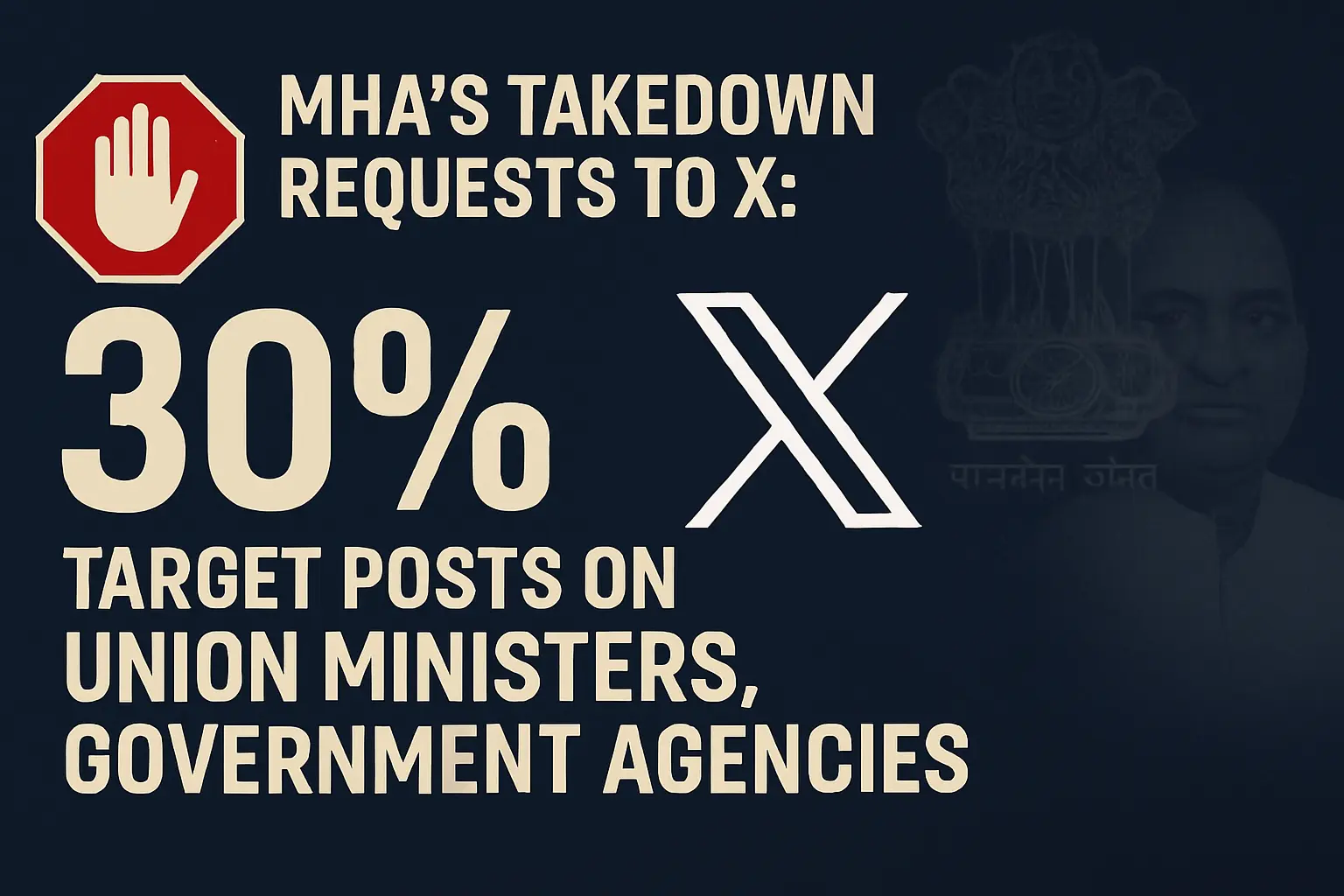
A recent report has revealed that nearly 30% of takedown notices issued by the Ministry of Home Affairs (MHA) to X (formerly Twitter) have targeted posts related to Union Ministers and government agencies. The findings raise concerns about digital censorship, political discourse, and social media regulation in India.
Breakdown of MHA’s Takedown Requests
The data, obtained from transparency reports and sources within the government, indicates that a significant portion of the content flagged for removal includes:
-
Critical posts about Union Ministers: Tweets scrutinizing government policies and leadership decisions.
-
Content mentioning government agencies: Posts discussing the functioning of various ministries and departments.
-
Allegations of misinformation: Posts allegedly spreading false information about government initiatives.
-
Security concerns: Posts flagged under national security or public order concerns.
While the MHA maintains that these takedown requests are made in compliance with existing legal frameworks, critics argue that such actions may be an attempt to suppress dissenting voices and control narratives on social media.
X’s Response and Compliance Trends
Social media platform X has complied with a portion of these requests while resisting others, citing concerns over freedom of expression and platform integrity. Recent transparency reports indicate:
-
Partial compliance: X has removed some flagged posts but has also pushed back on takedown requests that lack clear legal backing.
-
Legal challenges: The platform has challenged certain government directives in court, arguing for greater transparency and due process.
-
User notifications: In some cases, users whose posts were flagged received notifications regarding content restrictions.
Government’s Justification and Digital Policy
The government defends its actions by stating that the takedown requests align with India’s IT Act and other regulatory mechanisms designed to prevent misinformation, communal unrest, and threats to national security. Officials argue that:
-
Social media platforms must adhere to Indian laws.
-
The government is acting in the interest of public order and stability.
-
Transparency reports should not be misinterpreted as widespread censorship.
However, digital rights activists emphasize that political content moderation must be transparent to avoid potential misuse of regulatory powers.
The Broader Impact on Free Speech and Social Media Regulation
The rising number of takedown requests targeting posts on government officials and agencies fuels ongoing debates on social media governance. Key implications include:
-
Impact on free speech: Critics argue that excessive content removal may stifle political discourse.
-
Platform accountability: Social media companies face increasing pressure to balance compliance with legal directives and protection of user rights.
-
Future regulatory shifts: Ongoing legal battles and policy discussions may reshape India’s approach to online content moderation.
What’s Next?
As digital platforms and governments continue to navigate the complexities of content moderation, free speech, and regulatory compliance, the debate over political censorship vs. national security concerns is likely to intensify.
With X challenging certain takedown orders and policymakers advocating for stricter digital regulations, the future of social media governance in India remains a dynamic and closely watched issue.