 TECH TIMES NEWS
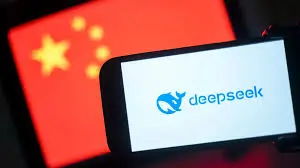
Microsoft has prohibited its employees from using DeepSeek, a Chinese-developed artificial intelligence (AI) platform, amid growing concerns over data privacy and national security. The decision, confirmed by Microsoft's President Brad Smith in a recent interview, underscores the intensifying scrutiny on Chinese technology firms operating in the global AI sector.
Speaking at a technology policy forum in Washington D.C., Smith stated that Microsoft had implemented internal guidelines to restrict employee access to certain foreign AI tools, with DeepSeek among those blacklisted. The move, according to Smith, is part of the company’s broader efforts to protect intellectual property, maintain data security, and align with U.S. government advisories on foreign technology risks.
"We’ve taken steps to ensure our employees are not using AI tools that could compromise sensitive data or conflict with our own standards for responsible AI use," Smith said. "DeepSeek, developed in China, falls into that category."
DeepSeek: A Rising AI Competitor
DeepSeek, created by a research team backed by Chinese investors and reportedly operating under indirect state oversight, has emerged as one of the most powerful AI large language models (LLMs) originating outside the United States. Launched in 2024, it quickly drew attention for its capabilities, including advanced multilingual understanding and code generation.
The platform has been promoted within China as a competitor to OpenAI's GPT series and Google's Gemini, sparking both admiration and caution among Western tech firms. Though publicly available in some markets, DeepSeek’s connections to Chinese data ecosystems have triggered alarms in countries wary of Beijing’s influence in the AI race.
A Broader Pattern of Tech Caution
Microsoft’s stance is consistent with a growing pattern among U.S. companies, many of which have introduced internal bans or restrictions on foreign-made generative AI tools. This includes not only tools from China, but also from Russia and other regions considered high-risk for cyber espionage.
The U.S. government has not issued a formal ban on DeepSeek, but intelligence agencies have advised private firms to conduct rigorous risk assessments before integrating foreign AI tools into their workflows. Microsoft, as both a developer of AI models through its partnership with OpenAI and a major enterprise software provider, is seen as a bellwether for the tech industry’s policy direction.
No Comment From DeepSeek Developers
As of publication, DeepSeek’s creators have not issued a public response to Microsoft’s decision. Attempts to reach the firm for comment went unanswered.
Analysts suggest that Microsoft’s decision, while not unexpected, could impact how other multinationals approach the use of foreign AI systems. “We’re seeing a shift toward AI nationalism,” said Dr. Eleanor Chang, a senior fellow in cybersecurity at the Atlantic Council. “Firms are not just evaluating tools based on performance anymore—they’re weighing geopolitical risk.”
Future of AI Governance
The announcement comes amid growing calls for international agreements on AI safety and ethics. Both the U.S. and European Union have advanced regulatory proposals aimed at setting global norms for AI development and deployment, including transparency requirements and usage restrictions.
Microsoft has long positioned itself as a leader in responsible AI practices, and the restriction on DeepSeek aligns with its published AI governance framework. Whether other U.S. tech giants will follow suit remains to be seen, but with AI development becoming an arena of geopolitical tension, decisions like this are likely to become more common.