 TECH TIMES NEWS
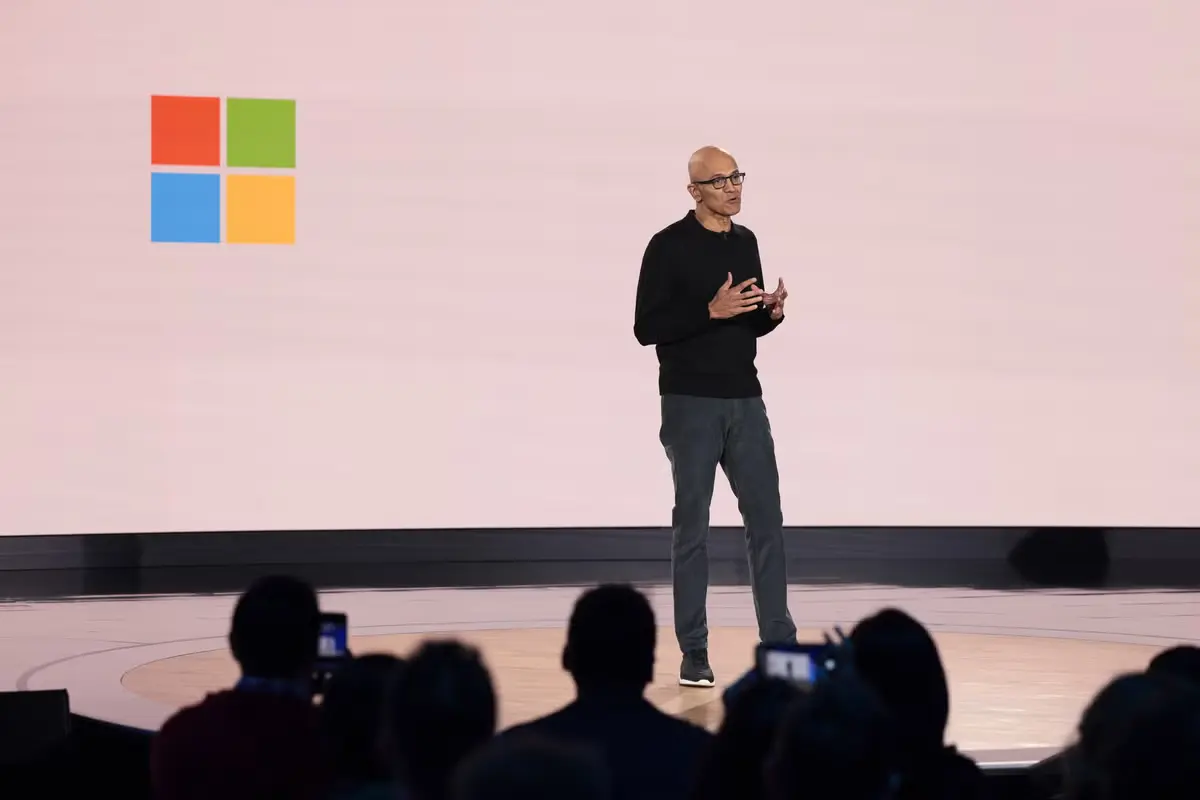
A Microsoft employee was fired this week after publicly interrupting a company event to protest the corporation’s alleged involvement in supplying artificial intelligence technologies to the Israeli military. The incident, which quickly circulated across social media platforms, has reignited debate over tech industry ethics and corporate responsibility in conflict zones.
The employee, identified as an engineer working in one of Microsoft’s West Coast offices, interrupted a high-profile AI-focused company event on May 21, taking the stage during a presentation to voice concerns about Microsoft's reported ties to a controversial defense contract. The protester accused the company of enabling "human rights violations" through its technological support to the Israeli Defense Forces (IDF), particularly during ongoing military operations in Gaza.
Security swiftly escorted the protester off the stage. The event resumed shortly thereafter, with company executives declining to directly address the incident in the immediate aftermath.
Company Response
In a statement released the following day, Microsoft confirmed the termination, citing “violation of company policy and disruption of a corporate event” as the reason. “While Microsoft respects employees’ rights to voice their opinions, the company maintains clear protocols for workplace conduct and public engagement,” the statement read. “The individual in question chose to act outside of those protocols.”
The company has neither confirmed nor denied specific partnerships involving the IDF or the Israeli government but reiterated its general policy on ethical AI use: “Microsoft is committed to responsible AI development and has strict guidelines to ensure its technologies are not misused.”
Background on the Allegations
The protest centers around a reported contract between Microsoft and the Israeli government, particularly involving Microsoft’s Azure cloud computing and AI capabilities. Activists claim that these technologies are being used in surveillance and military operations in the Palestinian territories. While full details of the contract remain unclear, investigative journalism and whistleblower reports have drawn attention to a broader pattern of U.S.-based tech companies supplying advanced technology to governments engaged in conflict.
In recent years, employee activism has surged in the tech industry. Microsoft itself faced internal backlash in 2019 over a $479 million contract with the U.S. Army to supply HoloLens augmented reality headsets. Employees at Google, Amazon, and Salesforce have similarly protested over defense and surveillance contracts.
Reactions and Fallout
The firing has sparked sharp reactions across the tech community. Advocacy group Tech Workers Coalition condemned the move, stating, “This is a clear example of corporate retaliation against conscientious objection.” Several Microsoft employees reportedly circulated an internal petition demanding transparency around government contracts and greater freedom for employees to raise ethical concerns without fear of retaliation.
On the other hand, some voices within the tech industry have defended the company’s decision, emphasizing the importance of workplace discipline and the potential disruption to business operations.
Broader Ethical Implications
The incident comes at a time of heightened scrutiny of corporate involvement in global conflicts. With the war in Gaza drawing widespread international criticism, particularly for the humanitarian toll on civilians, companies perceived as aiding military operations have become targets of protest, divestment campaigns, and regulatory inquiry.
Legal experts note that the firing could lead to a high-profile labor case, depending on the employee’s contractual protections and the nature of the protest. “This intersects issues of employment law, free speech, and international human rights,” said Dr. Elena Marsh, a labor law scholar at the University of Washington. “It could become a landmark moment if challenged.”
What’s Next
As internal tensions at Microsoft rise and public pressure builds, the company may face further scrutiny from shareholders, human rights organizations, and the media. The broader question persists: To what extent should technology companies bear responsibility for how their products are used, especially in wartime?