 TECH TIMES NEWS
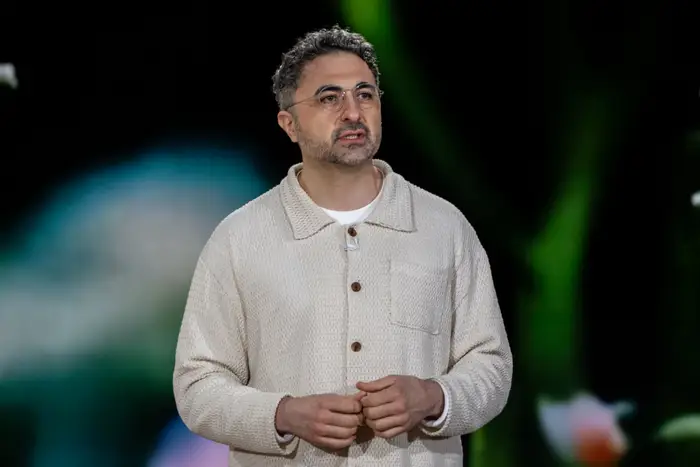
Microsoft’s AI leader, Mustafa Suleyman, has urged the technology industry to exercise restraint when describing artificial intelligence, specifically discouraging the use of the term “conscious” for current AI models. Suleyman, a co-founder of Google DeepMind and Inflection AI before joining Microsoft earlier this year, said such language risks misleading the public about the real capabilities and limitations of AI systems.
Concerns Over Misrepresentation of AI Capabilities
Speaking at an industry forum, Suleyman emphasized that today’s AI is highly advanced but still operates on patterns, probability, and training data — not human-like awareness. He noted that overhyping AI as “sentient” or “self-aware” could distort public understanding, fuel unnecessary fears, and weaken trust in technology firms.
The Reality of AI Models
According to Suleyman, modern AI systems like chatbots and generative tools are powerful but remain statistical machines with no subjective experience. He warned that anthropomorphizing these models encourages misconceptions about their decision-making abilities, accountability, and potential risks.
Call for Responsible AI Language
Suleyman urged developers, researchers, and corporations to adopt precise terminology when communicating about AI progress. By avoiding claims of “consciousness,” the industry can focus on genuine issues such as safety, transparency, and regulation. He argued that public trust depends on honesty and clarity, especially as AI becomes more integrated into daily life.
Broader Industry Implications
The debate over whether AI can be conscious has intensified with the rise of advanced generative tools. Suleyman’s comments reflect growing concern within the tech community that exaggerated claims could attract unnecessary regulatory pressure, spark ethical panic, or even slow innovation.