 TECH TIMES NEWS
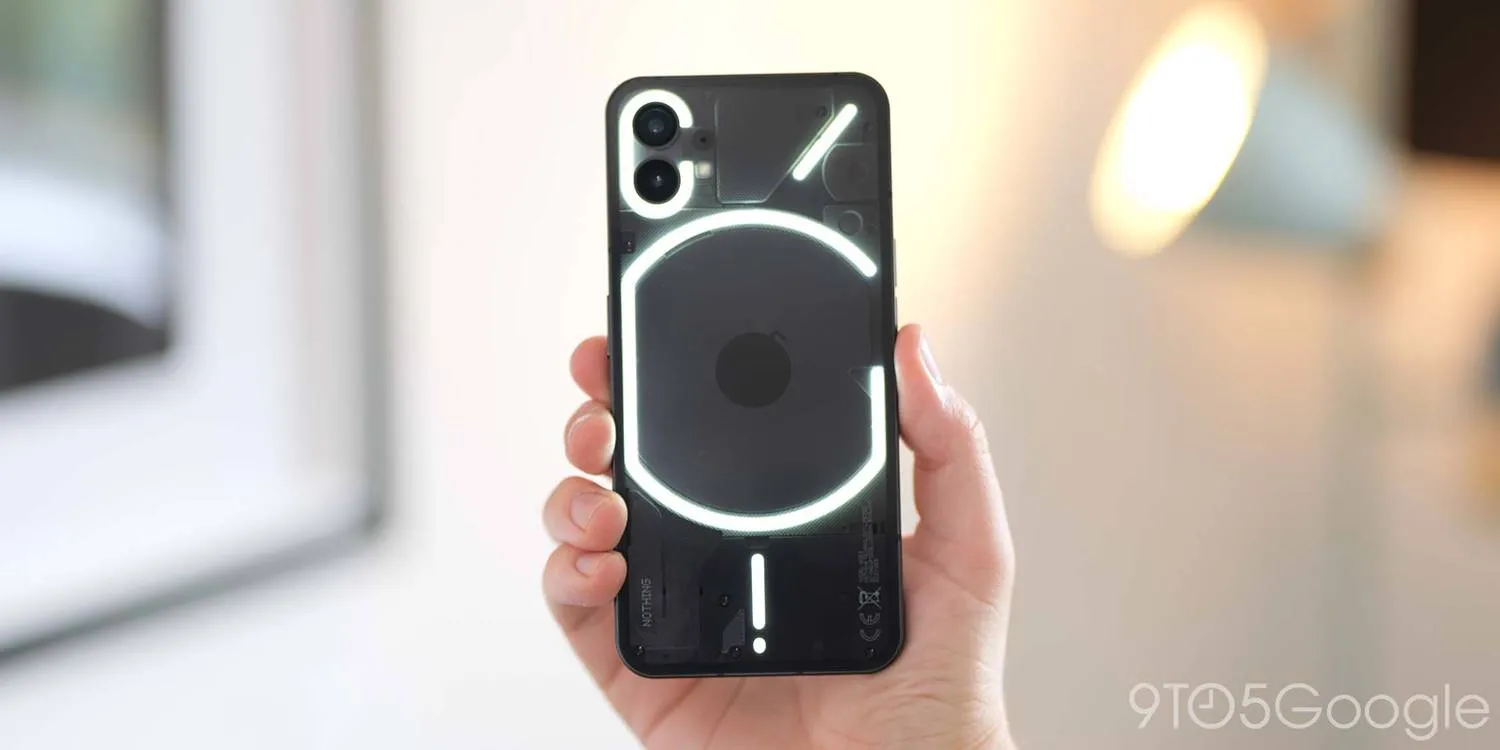
In a surprising turn for one of the most unique smartphone brands on the market, recent leaks and industry chatter suggest that the upcoming Nothing Phone 3 might abandon its signature Glyph Interface—the distinctive LED lighting system that helped set its predecessors apart in a crowded marketplace.
A Radical Departure From the Past
Introduced with the original Nothing Phone (1), the Glyph Interface quickly became a hallmark of the brand. The design featured a network of programmable LED strips embedded beneath a transparent rear panel, offering a futuristic, cyberpunk-inspired aesthetic. More than just visual flair, the lights served functional purposes—customizable notifications, charging indicators, camera fill light, and visual cues for ringtones.
Now, reports indicate that Nothing may be moving in a new direction for its third-generation device. While details remain unofficial, trusted industry insiders have hinted that the company is considering a more minimalist, refined rear design, possibly focusing on materials, form factor, and a more traditional smartphone silhouette.
Why the Change?
There are a few potential reasons behind this pivot:
-
Cost and Complexity: The Glyph Interface, while striking, is an engineering challenge. Integrating LED strips under a transparent back panel increases production complexity and cost. Dropping it could allow Nothing to streamline manufacturing and potentially lower the price or boost margins.
-
Battery and Durability: The LEDs consume additional battery power and may contribute to heat generation. A simplified design might help improve battery life and device thermal efficiency, aligning with user demands for longer-lasting smartphones.
-
Function vs. Fashion: While the Glyph Interface garnered attention, some users questioned its practicality. Many saw it as a novelty that wore off quickly, with only limited utility. Nothing may now be prioritizing functionality and performance over gimmicks.
-
Design Evolution: Every brand evolves, and Nothing may simply be looking to mature its aesthetic. CEO Carl Pei, known for disrupting the status quo, might be steering the company toward a broader audience, beyond early adopters and design enthusiasts.
Community Response: Mixed Reactions
Unsurprisingly, the potential removal of the Glyph Interface has sparked debate within the Nothing fanbase. Enthusiasts on Reddit and Twitter are divided—some mourning the loss of what they see as a defining trait, while others welcome a sleeker, more classic look that could improve everyday usability.
“I loved the Glyph lights—they made my phone feel different,” one user posted on X. “But if losing them means better battery and a lower price, I’ll consider it.”
Others argue that the Glyph Interface was more of a branding statement than a practical feature, and its removal may help Nothing be taken more seriously by mainstream users.
What Else to Expect From the Nothing Phone 3
Beyond the design shift, early rumors point to several other updates:
-
Snapdragon 8-series chipset, possibly the latest 8 Gen 3 or a performance-optimized Gen 2 variant.
-
Enhanced camera system, with better low-light performance and AI-powered imaging.
-
Improved display technology, potentially moving to a brighter and more efficient OLED panel.
-
Longer software support, with Nothing pushing for at least four years of major Android updates.
The Phone 3 is expected to launch in Q3 2025, with Nothing likely to tease details in its typical slow-drip marketing style.
Final Thoughts
If the rumors are true, the Nothing Phone 3 could mark a turning point for the brand. Ditching the Glyph Interface may alienate some early fans but could also signal a strategic evolution toward a more refined, broadly appealing product. Whether this bold move pays off remains to be seen—but one thing is certain: all eyes are on Nothing as it prepares for its next big reveal.