 TECH TIMES NEWS
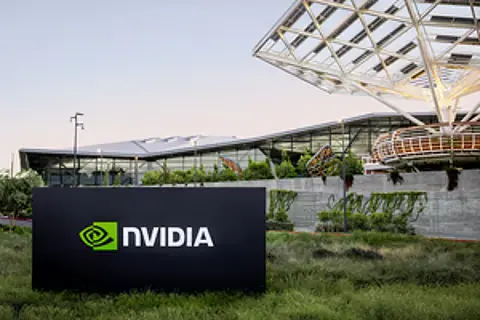
Nvidia has quietly expanded its artificial intelligence footprint by hiring several high-profile engineers and architects from Groq, a fast-rising AI chip startup known for its language processing units (LPUs). The move underscores Nvidia’s determination to defend its dominance in the AI accelerator market as competition intensifies from both startups and established silicon players.
Groq’s LPU Expertise Draws Industry Attention
Groq gained recognition for its unconventional approach to AI computing, prioritizing deterministic performance and low-latency inference over traditional GPU parallelism. Engineers from Groq bring deep experience in compiler design, high-performance silicon architecture, and AI inference optimization—skills that align closely with Nvidia’s expanding data center and generative AI roadmap.
Nvidia’s Talent-First Strategy Pays Off
Rather than acquiring startups outright, Nvidia has increasingly relied on targeted talent recruitment to accelerate internal innovation. By absorbing Groq’s technical know-how, Nvidia can refine its CUDA ecosystem, improve inference efficiency, and further optimize AI workloads across its Hopper and next-generation Blackwell platforms.
Implications for the AI Chip Market
The hiring spree highlights how the AI hardware race has evolved into a battle for human capital as much as silicon. Startups like Groq, Cerebras, and Graphcore have pushed novel architectures, forcing Nvidia to adapt rapidly. This latest talent grab signals Nvidia’s intent to integrate emerging ideas while maintaining software compatibility that rivals struggle to match.
Pressure Mounts on AI Startups
For Groq and similar companies, the loss of senior engineers may slow product development but also validates the value of their technical approach. As Nvidia continues to attract top AI minds, smaller firms may face increasing challenges competing with the scale, funding, and ecosystem reach of the GPU giant.
Looking Ahead
With AI demand surging across cloud computing, enterprise software, and consumer applications, Nvidia’s recruitment strategy suggests the company is preparing for a long-term contest—not just for market share, but for the future direction of AI computing itself.