 TECH TIMES NEWS
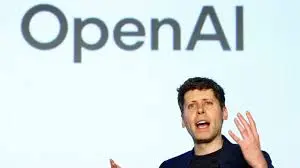
A group that previously voiced opposition to OpenAI’s controversial restructuring last year is once again raising alarms, this time over a new revamp initiative that they claim could further shift the organization away from its founding principles of transparency, safety, and public interest.
The group, composed of former OpenAI researchers, AI ethicists, and tech policy advocates, has issued a statement expressing "deep concern" over the latest strategic overhaul announced by the company earlier this week. The restructuring, according to OpenAI, is designed to improve internal efficiency, expand its enterprise partnerships, and accelerate the integration of AI across diverse sectors including healthcare, finance, and defense.
However, critics argue that the new plan lacks sufficient public accountability mechanisms and appears to favor commercial ambitions over long-term AI safety—a core principle upon which OpenAI was originally founded as a non-profit in 2015.
Origins of the Discontent
The dissenting group initially gained attention during the 2023 leadership crisis, which led to the temporary ousting of CEO Sam Altman and a dramatic board shakeup. That crisis ultimately resulted in the company reorganizing its governance structure, increasing influence from Microsoft (a major investor), and reducing the power of the original board members who prioritized AI alignment and existential risk mitigation.
Since then, the watchdog group has remained active, monitoring OpenAI’s policy shifts and product rollouts. They argue that the organization’s current trajectory reflects a “mission drift”—from a research-driven, safety-first AI lab to a commercially aggressive tech company focused on rapid product deployment.
Criticisms of the New Plan
The recently unveiled revamp includes the formation of a “Strategic Deployment Unit,” tasked with aligning product development more directly with business opportunities. Additionally, the company is reportedly considering loosening internal controls around model release timelines to stay competitive with rivals such as Anthropic, Google DeepMind, and Meta.
In a public letter circulated Thursday, the opposing group wrote:
“OpenAI’s new restructuring plan places too much emphasis on short-term gains and strategic alliances, particularly in sectors where unchecked AI deployment could pose serious risks to public welfare and global stability.”
The group also questioned whether OpenAI’s current leadership is adequately weighing long-term safety considerations and has called for renewed oversight from independent AI safety experts.
OpenAI’s Response
In a brief press statement, an OpenAI spokesperson defended the new structure, stating:
“Our updated operational framework is designed to ensure that we can responsibly scale our technologies while remaining aligned with our mission to ensure AGI benefits all of humanity. We welcome ongoing dialogue with stakeholders across the AI ecosystem.”
The company declined to provide further comment on the criticisms raised by the watchdog group.
Industry Implications
Experts say this latest flare-up underscores the broader tension in the AI industry between ethical development and market-driven momentum. As AI capabilities rapidly evolve, organizations like OpenAI face growing pressure to balance innovation with societal responsibility.
“This isn’t just about OpenAI,” said Dr. Emily Zhang, a technology policy fellow at the Brookings Institution. “It’s a cautionary tale about what happens when companies shift from idealistic missions to market realities. The industry needs robust guardrails—and not just self-imposed ones.”
What’s Next?
The opposition group has called for greater transparency in OpenAI’s internal decision-making and model deployment policies. They are also urging policymakers to enact more rigorous external oversight for companies developing frontier AI models.
Meanwhile, industry observers will be watching closely to see how OpenAI navigates this latest wave of criticism—and whether it can maintain public trust as it continues to expand its global influence.