 TECH TIMES NEWS
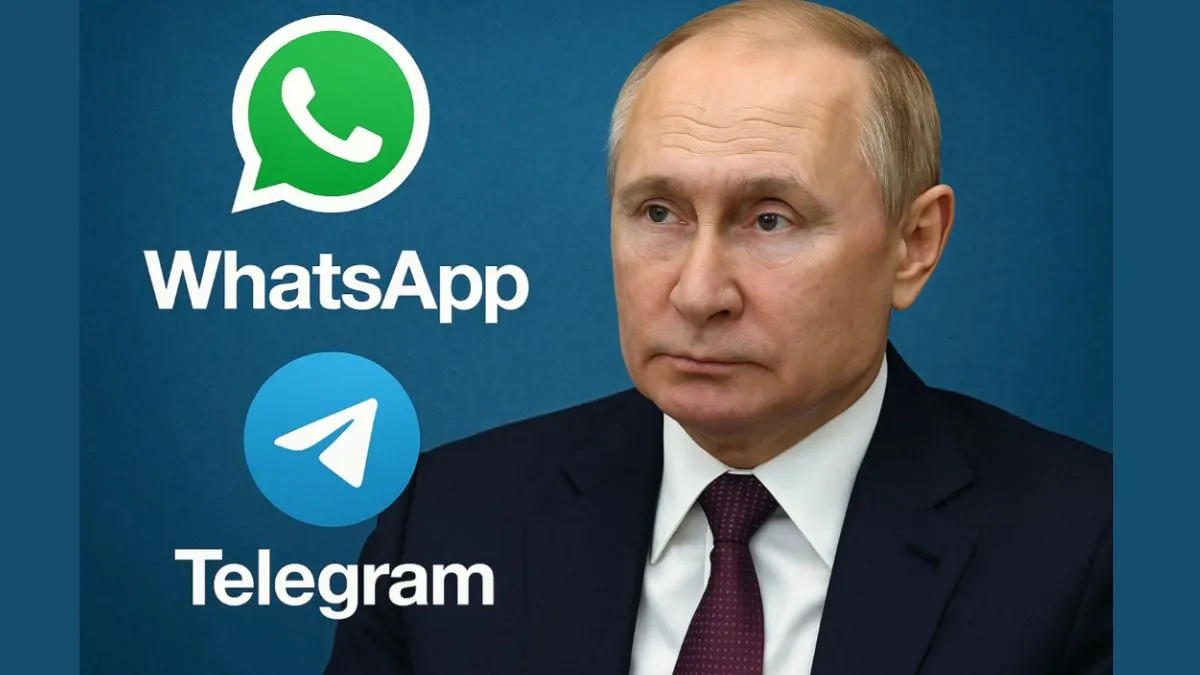
Russian President Vladimir Putin has officially authorised the development of a state-controlled messaging application, aimed at offering a government-backed alternative to popular Western platforms like WhatsApp and Telegram. The decision is part of a broader digital sovereignty strategy Moscow has aggressively pursued in recent years to reduce reliance on foreign technologies and platforms amid increasing geopolitical tensions and sanctions.
📱 Why Russia Is Creating Its Own Messaging Platform
According to government officials, the new app will be tailored to both state agencies and the public, providing secure communication channels that align with Russia’s strict data protection and surveillance regulations. Kremlin spokespersons claim the initiative will “enhance national cybersecurity and information sovereignty,” pointing to perceived risks posed by Western-owned apps, particularly in light of Russia's strained relations with the US and EU.
🔐 Security and Surveillance Concerns
Critics argue that the move may intensify digital surveillance of Russian citizens. Civil rights groups fear the platform will lack end-to-end encryption or independent oversight, thus enabling authorities to monitor communication more easily. However, state media insists the application will adhere to "international privacy standards," despite skepticism from global cybersecurity experts.
🆚 WhatsApp, Telegram and the Competition
Telegram, founded by Russian entrepreneur Pavel Durov, remains one of the most popular messaging apps in Russia, alongside WhatsApp. Yet both have faced regulatory challenges, with Telegram previously being temporarily banned. The Kremlin's new app seeks to establish a domestic alternative under full government control — a trend in line with Russia’s push to localise internet infrastructure and create its own "sovereign internet."
📅 Rollout Timeline and Development Partners
Although no specific launch date has been confirmed, the app is expected to be developed in collaboration with state-run tech entities like Rostelecom and domestic cybersecurity firms. It will likely integrate with existing public service portals and be promoted for official use across federal and regional government departments.
🌍 Broader Implications
This move echoes similar efforts in China and Iran, where government-approved messaging apps have displaced global tech giants. Analysts warn it could further isolate Russian internet users from global digital ecosystems, deepening the divide between Russia and the West in the tech space.