 TECH TIMES NEWS
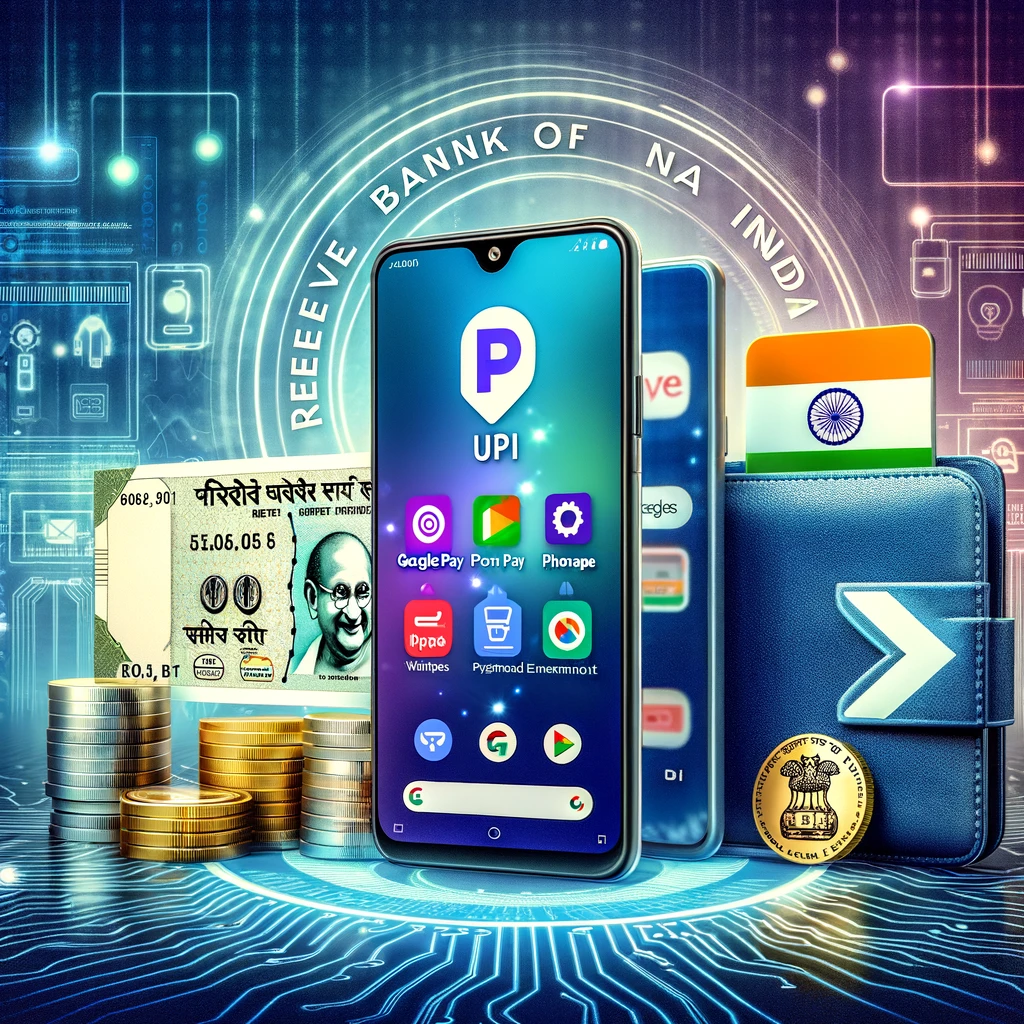
India-The Reserve Bank of India (RBI) has announced new guidelines to streamline money transfers through Unified Payments Interface (UPI) wallets, allowing users to access their wallets via third-party UPI apps. This development enables seamless fund transfers between any UPI-enabled wallet and app, marking a significant step in enhancing the convenience of digital payments across the country.
The RBI’s circular permits verified wallets to process payments and transfers through third-party UPI platforms, provided users complete the mandatory Know Your Customer (KYC) verification. This policy change empowers both banks and non-bank entities to issue prepaid payment instruments (PPIs), expanding financial access and inclusivity. With this update, digital wallets can now accept and initiate payments via UPI, simplifying the payment experience for users. Previously, UPI transactions required a direct link to a bank account or registration with a specific UPI app, but the new regulations extend these capabilities to standalone wallets not tied to bank accounts.
PPIs, such as digital wallets, gift cards, and metro cards, operate on a prepaid model where users load funds through cash, bank transfers, or UPI before making payments. Under the revised rules, these wallets can now facilitate transactions to platforms like Google Pay and PhonePe, provided they comply with KYC requirements. This innovation aims to broaden the functionality of PPIs and enhance their integration within India’s digital payment ecosystem.
UPI services, managed by the National Payments Corporation of India (NPCI), offer a streamlined payment experience by linking a virtual payment address to a bank account, eliminating the need to remember account details or IFSC codes. The system supports a variety of financial activities, including fund transfers, utility bill payments, and online shopping, reducing reliance on traditional banking methods. The zero-charge framework for UPI transactions, mandated by the government since 2020, further encourages digital adoption.
By enabling third-party app integration with UPI wallets, the RBI seeks to drive innovation while ensuring user security and convenience. This initiative reflects the central bank’s commitment to promoting digital financial inclusion, paving the way for a more interconnected and user-friendly digital payment landscape in India.