 TECH TIMES NEWS
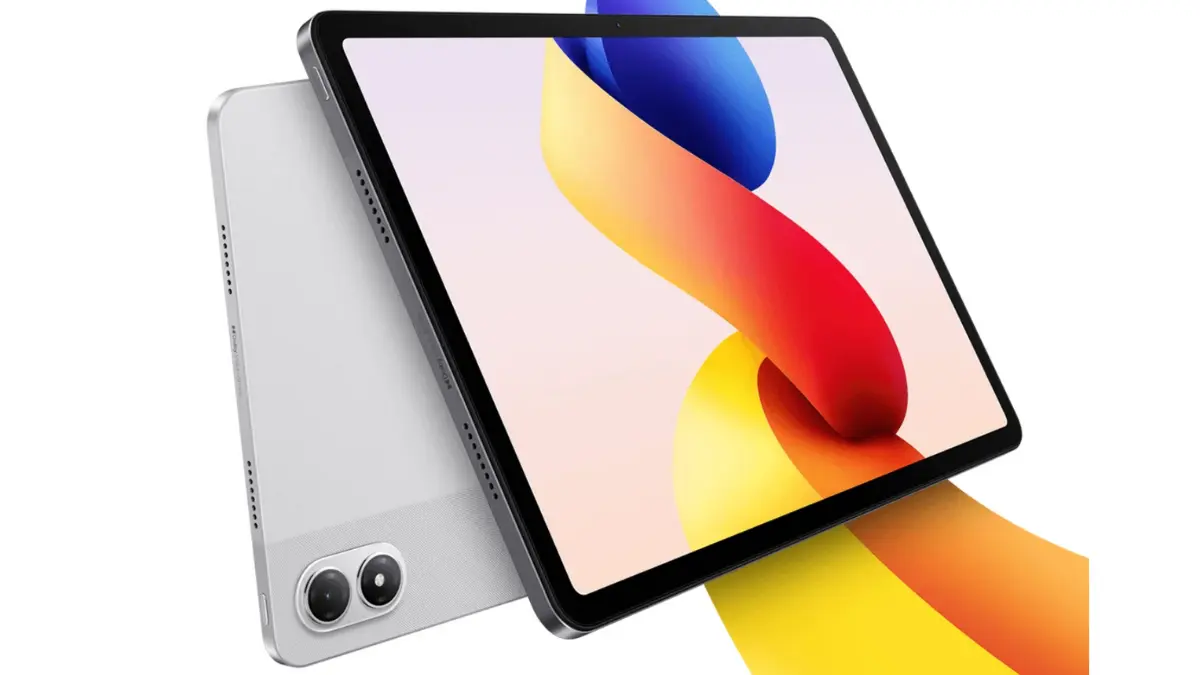
Xiaomi has officially expanded its tablet portfolio in India with the launch of the Redmi Pad 2 Pro, positioning it as a more premium alternative to the standard Redmi Pad 2. With a starting price of ₹22,999 for the Wi-Fi-only model featuring 8 GB RAM and 128 GB internal storage, the new tablet is clearly aimed at users seeking enhanced performance, display quality, and productivity features.
Pricing and Variants Signal a Premium Shift
The Redmi Pad 2 Pro enters a higher price segment compared to its non-Pro sibling, signaling Xiaomi’s intent to cater to students, professionals, and entertainment-focused users. While the base variant starts at ₹22,999, higher storage and connectivity configurations are expected to push the pricing upward, offering consumers flexibility based on their needs.
Display and Design Upgrades Take Center Stage
The tablet features a large, high-resolution display designed for immersive content consumption, gaming, and multitasking. With slimmer bezels and a refined metal body, the Pad 2 Pro adopts a more premium design language, bringing it closer to flagship tablet aesthetics while remaining competitively priced.
Performance Boost Over Standard Pad 2
Under the hood, the Redmi Pad 2 Pro is powered by a more capable chipset compared to the standard Pad 2, paired with 8 GB of RAM for smoother multitasking. This upgrade makes it suitable for demanding applications, light content creation, and extended productivity tasks without performance bottlenecks.
Battery, Software, and Productivity Features
Xiaomi has equipped the tablet with a large battery optimized for all-day usage, complemented by fast charging support. Running on HyperOS based on Android, the Pad 2 Pro brings tablet-focused optimizations, improved app scaling, and seamless ecosystem integration with other Xiaomi devices. Support for accessories such as a stylus or keyboard further enhances its appeal as a productivity tool.
Market Positioning and Competition
By pricing the Redmi Pad 2 Pro above the standard Pad 2, Xiaomi is strategically targeting competitors in the upper mid-range tablet segment. The device aims to attract users who want premium features without stepping into flagship pricing territory dominated by global brands.