 TECH TIMES NEWS
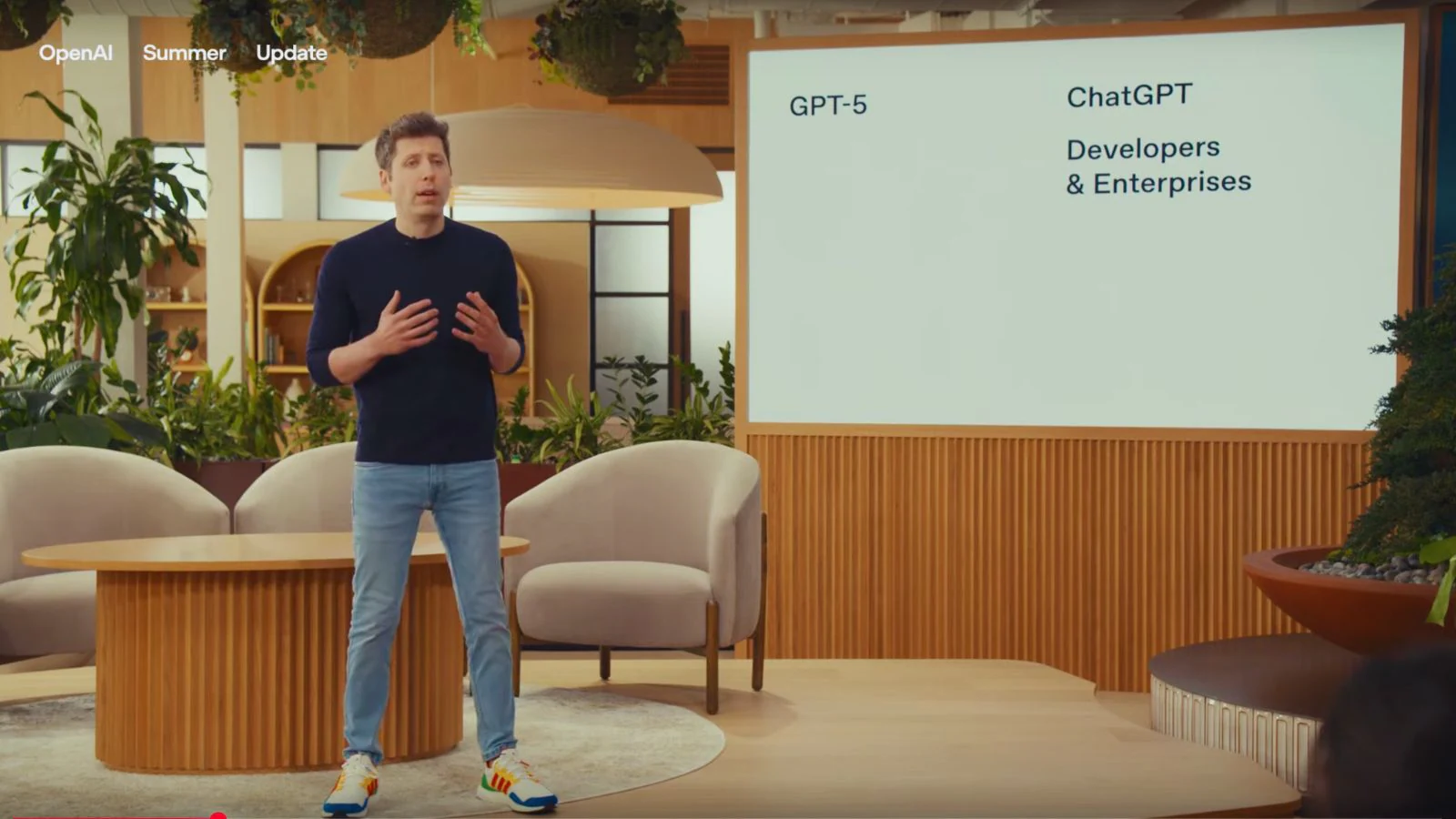
OpenAI CEO Sam Altman has hinted at a major shift in direction for the company’s upcoming GPT-6 model, emphasizing a stronger focus on personalization and user-centric AI. His remarks come at a time when GPT-5, despite technological improvements, has drawn mixed reviews from both the developer community and users.
GPT-5 Reception: Strengths and Limitations
While GPT-5 introduced faster responses, improved reasoning, and expanded multimodal capabilities, it has faced criticism for lacking personal connection, adaptability, and deeper contextual memory. Many users praised its technical brilliance but argued it fell short in delivering human-like personalization, often feeling more like a utility tool than a true assistant.
GPT-6: Moving Toward ‘Personal AI’
According to sources, GPT-6 is being designed with customization at its core, enabling users to shape their AI to better reflect personal preferences, tone, and needs. Altman suggested that the future of AI lies not just in power, but in its ability to understand individuals over time. This could include longer memory, emotional nuance, and highly tailored outputs.
Competition and Market Pressure
The push for a more personal GPT-6 comes as competitors like Google, Anthropic, and Meta race to integrate AI companions into everyday life. With tech giants betting on personal agents, OpenAI is under pressure to retain leadership in AI innovation while addressing concerns over trust, privacy, and safety.
Balancing Innovation with Responsibility
Altman has repeatedly acknowledged the challenges of balancing personalization with safety, highlighting the need for strict safeguards to prevent misuse. He argued that the most successful AI systems will be those that blend intelligence with empathy, becoming not just tools but reliable companions.