 TECH TIMES NEWS
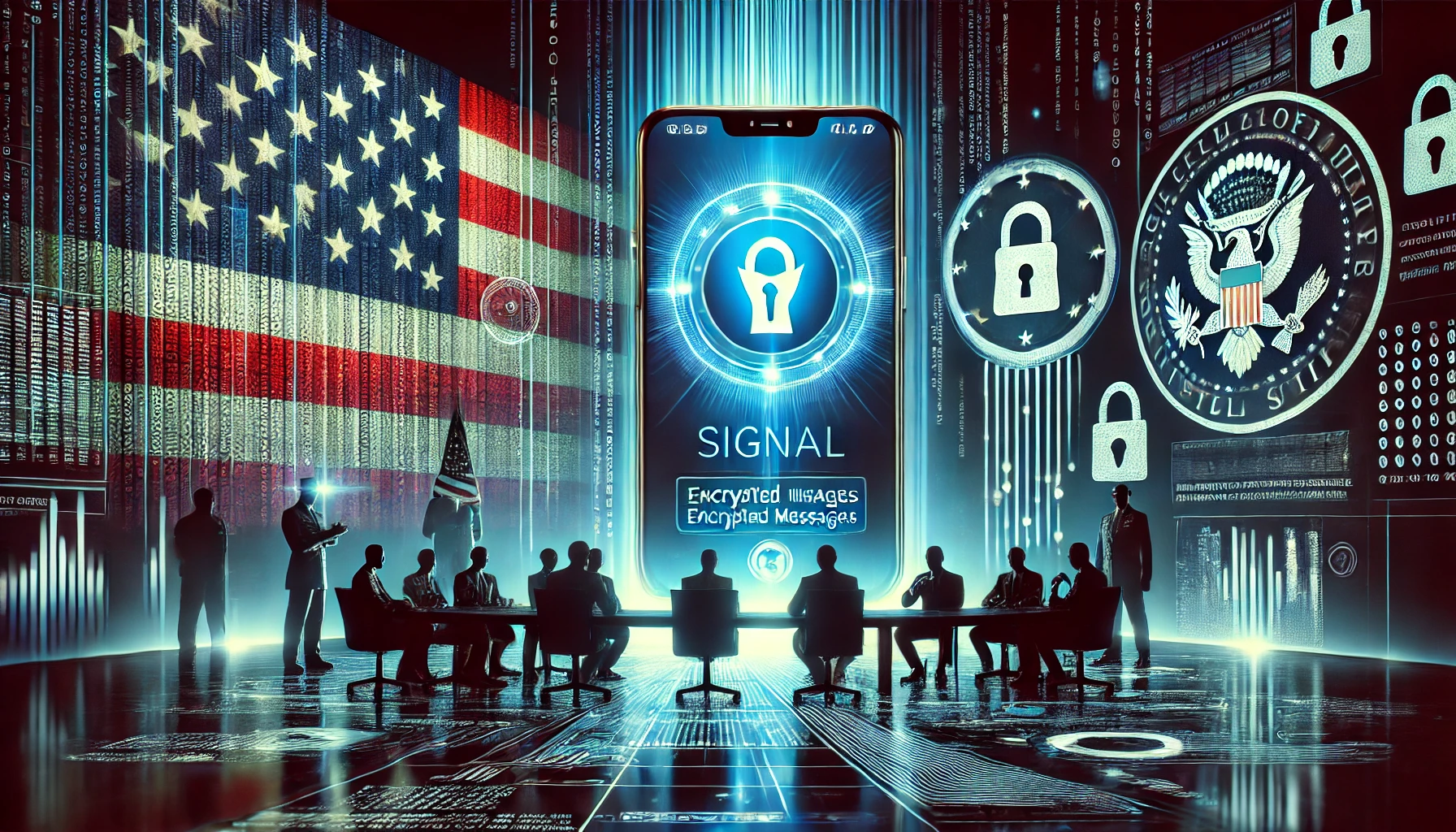
In an era where digital security is a top priority, the encrypted messaging platform Signal has gained significant traction, reportedly being used by US officials to share sensitive information, including attack plans. Known for its robust end-to-end encryption and commitment to privacy, Signal has become a preferred choice for secure communications in both governmental and civilian circles.
What is Signal?
Signal is an open-source, privacy-focused messaging app designed to offer secure text messaging, voice calls, and video calls. Launched by the non-profit Signal Foundation, the platform ensures that messages are encrypted from sender to recipient, preventing any third party—including governments, hackers, and even Signal itself—from accessing the content of conversations.
Unlike conventional messaging apps, Signal does not store metadata or personal user information on its servers. This privacy-centric approach has made it a favored tool among journalists, activists, and government officials seeking confidential communication channels.
Why US Officials Reportedly Use Signal
Reports indicate that some US officials have relied on Signal for secure discussions, particularly in matters of national security and military operations. Given the app’s encryption standards, it allows decision-makers to exchange information with minimal risk of interception by adversaries or foreign intelligence agencies.
Security experts highlight Signal’s ability to provide self-destructing messages, disappearing chats, and encrypted file transfers, making it ideal for classified or sensitive conversations. Additionally, its open-source nature ensures continuous scrutiny by cybersecurity professionals, reinforcing trust in its security framework.
Global Adoption and Controversies
Signal’s growing popularity extends beyond government use. The app has witnessed surging adoption among privacy-conscious users worldwide, especially following concerns over data collection policies by major tech companies. In 2021, a significant user migration to Signal occurred after privacy policy updates from WhatsApp sparked fears over data sharing with parent company Meta.
However, its use in sensitive military and political communications has raised concerns. Cybersecurity analysts warn that reliance on third-party applications, even highly secure ones, poses potential risks in the event of software vulnerabilities or exploitation by adversarial entities.
Future of Encrypted Communication
The increasing reliance on secure messaging platforms like Signal underscores the growing importance of digital privacy in modern governance and diplomacy. Governments worldwide are investing in customized encrypted communication systems to minimize reliance on third-party applications, ensuring better control over sensitive data.
As encryption technology evolves, so too will the methods of secure communication. While Signal remains a gold standard for private messaging, the debate over national security, encryption policies, and data privacy continues to shape the future of secure digital interactions.