 TECH TIMES NEWS
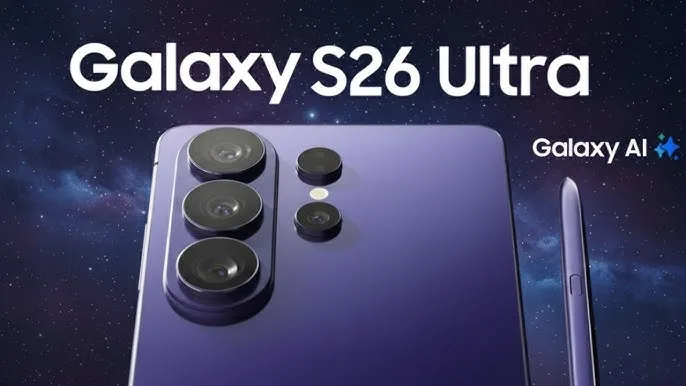
Fresh benchmark listings circulating online suggest that the Snapdragon-powered Galaxy S26 Ultra may have a noticeable performance advantage over the Exynos-powered Galaxy S26 variant. According to early test results shared by tipsters and industry trackers, the Snapdragon model posted higher multi-core and GPU scores, signaling stronger overall performance.
While Samsung has not officially confirmed the chipset distribution strategy for the Galaxy S26 series, the company is widely expected to continue its dual-processor approach in select regions.
Snapdragon Variant Shows Strong Multi-Core and GPU Gains
Initial synthetic benchmark data indicates that the Snapdragon-equipped Galaxy S26 Ultra performs particularly well in multi-core CPU tests. The chipset is believed to be Qualcomm’s next-generation flagship processor, built on an advanced fabrication process aimed at improving efficiency and thermal stability.
GPU performance also appears to be one of the key strengths of the Snapdragon version, potentially offering better gaming stability and sustained performance under heavy workloads. Early numbers suggest improvements in graphics rendering and AI-driven tasks compared to previous-generation devices.
Exynos Model Focuses on Efficiency and AI Integration
The Exynos-powered Galaxy S26 model, reportedly running Samsung’s in-house next-gen chipset, is said to emphasize power efficiency and AI acceleration. While its benchmark scores appear slightly lower in raw CPU and GPU output compared to the Snapdragon variant, reports suggest it may deliver competitive real-world performance with enhanced on-device AI processing capabilities.
Samsung has been investing heavily in its Exynos architecture, particularly in areas such as neural processing units (NPUs), image signal processing, and energy optimization.
Thermal Management Could Be a Key Differentiator
One of the recurring themes in past Snapdragon vs Exynos comparisons has been thermal performance. Early insights indicate that the Snapdragon Galaxy S26 Ultra maintains more stable clock speeds during extended stress tests, hinting at improved heat management.
If these early findings hold true in real-world testing, the Snapdragon version could offer better sustained gaming and multitasking performance over longer sessions.
Regional Availability May Influence Buyer Decisions
Samsung traditionally ships Snapdragon-powered Galaxy S Ultra models in markets such as the United States and select regions, while Exynos variants are commonly sold in parts of Europe and Asia. Buyers in markets receiving the Exynos version may closely watch independent reviews before making purchasing decisions.
With flagship pricing expected to remain in the premium segment, performance differences—however small—could influence consumer preference in competitive markets.
Official Confirmation Still Awaited
It is important to note that these benchmark results are based on early listings and may not reflect final retail performance. Software optimization, firmware updates, and thermal tuning can significantly impact final results.
Samsung is expected to unveil the Galaxy S26 series later this year, at which point official specifications and performance claims will become clearer.
Until then, the Snapdragon-powered Galaxy S26 Ultra appears to have an early edge in raw benchmark numbers, setting the stage for another chapter in the long-running Snapdragon vs Exynos rivalry.