 TECH TIMES NEWS
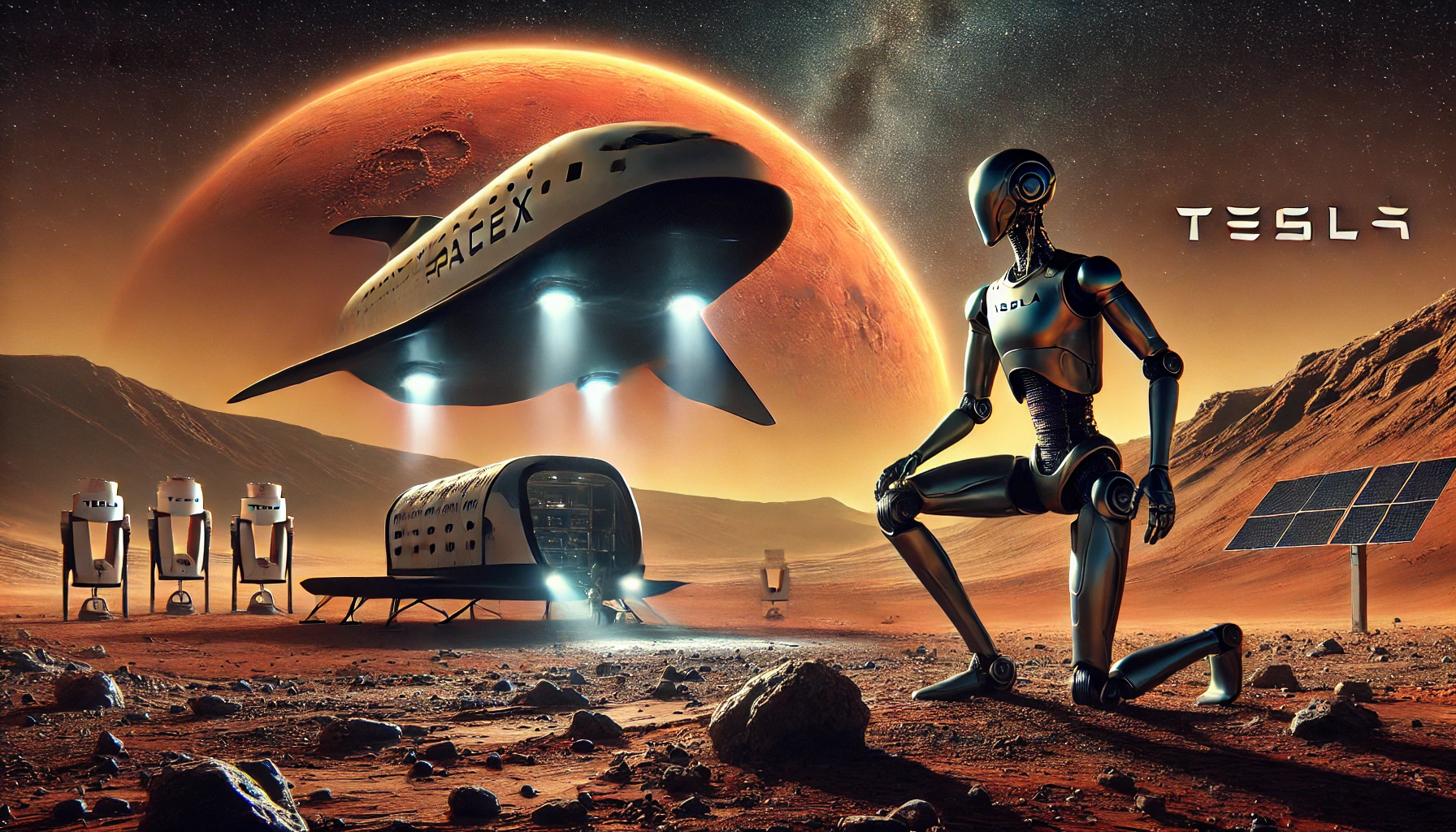
SpaceX is gearing up for a groundbreaking interplanetary mission, as CEO Elon Musk announced that the company’s Starship will depart for Mars by the end of 2026, carrying Tesla’s humanoid robot, Optimus. This mission marks a major milestone in Musk’s long-term vision of making humanity a multi-planetary species.
Key Highlights of the Mission
-
Planned Departure: SpaceX aims to launch Starship to Mars in late 2026, pending successful test flights and system validations.
-
Cargo on Board: Tesla’s Optimus robot will be among the first robotic explorers to step onto the Martian surface.
-
Mission Goals: The primary objectives include testing Optimus' functionality in an extraterrestrial environment and laying the groundwork for future human colonization.
-
Self-Sustaining AI Systems: Optimus is expected to assist with infrastructure setup, basic maintenance, and data collection to support long-term human habitation efforts.
-
Advancing Mars Colonization: The mission will provide crucial insights into robotics and AI-driven support systems for future crewed missions.
Optimus: A Key Player in Mars Exploration
Tesla’s Optimus, a humanoid robot designed for general-purpose tasks, has undergone rapid advancements since its unveiling. Initially developed for automation on Earth, its integration into a space mission represents a significant leap in autonomous robotics. SpaceX engineers have been modifying Optimus to function in Mars' harsh conditions, equipping it with advanced AI and durability enhancements.
Elon Musk emphasized the importance of autonomous support systems in deep-space missions, stating, “Optimus will play a vital role in setting up early Martian outposts. It’s not just about exploration; it’s about sustainability.”
Challenges and Expectations
While the mission is ambitious, it comes with major technical and logistical challenges:
-
Survival in Extreme Conditions: Mars’ environment presents extreme temperatures, dust storms, and radiation risks that require specialized robotic adaptations.
-
AI and Autonomy: Optimus must function with minimal human intervention due to communication delays between Earth and Mars.
-
Landing and Deployment: SpaceX will need to perfect its Starship landing system to ensure the safe delivery of cargo and robots to the Martian surface.
Implications for Space Exploration
The integration of robotics into Mars exploration is expected to accelerate human settlement efforts. If successful, Optimus could pave the way for large-scale automation on the Red Planet, reducing reliance on early human crews for foundational tasks.
SpaceX is continuing test flights of Starship throughout 2025, refining the spacecraft’s reusability and deep-space endurance. The 2026 mission is anticipated to be a major step toward Musk’s ultimate goal of building a self-sustaining Martian colony.
What’s Next?
As the launch window approaches, SpaceX is expected to conduct extensive testing of both Starship and Optimus under simulated Mars conditions. Further details on mission logistics, payloads, and objectives will likely emerge in the coming months.
With the countdown to 2026 underway, the world will be watching as SpaceX and Tesla take a bold leap toward an interplanetary future.