 TECH TIMES NEWS
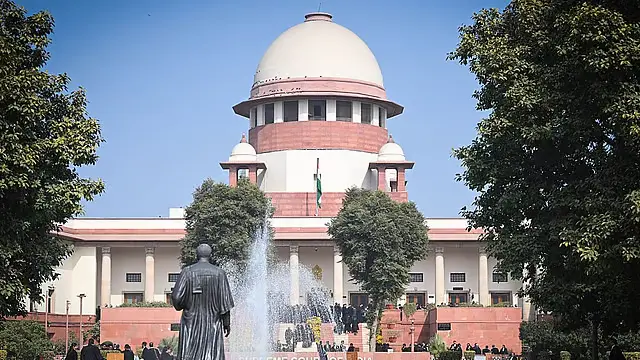
India’s Supreme Court has strongly criticized WhatsApp and its parent company Meta for implementing what it described as a “take it or leave it” privacy policy, raising serious concerns about user consent and data protection. The court observed that users were left with no meaningful choice but to accept the updated policy if they wished to continue using the popular messaging platform.
Data Sharing With Meta Under Scrutiny
At the heart of the case is WhatsApp’s data-sharing framework, which allows certain user information to be shared with Meta-owned entities. The bench questioned whether such data practices align with constitutional principles of informational privacy, especially when acceptance of the policy is mandatory for continued access to the service.
Consent Cannot Be Coerced, Court Notes
The Supreme Court emphasized that consent obtained under compulsion cannot be considered genuine. It remarked that digital platforms with massive user bases carry a heightened responsibility to ensure transparency and fairness, particularly when dealing with personal data of millions of Indian users.
Interim Order Scheduled for February 9
The bench announced that it will issue an interim order on February 9, which could temporarily shape how WhatsApp enforces its privacy policy in India. Legal experts believe the ruling may have broader implications for global tech companies operating in the country.
Impact on Digital Rights and Big Tech Regulation
The case is being closely watched as a potential landmark moment for digital rights in India. A strong interim direction could influence future enforcement of data protection norms and reinforce user autonomy in the digital ecosystem.
WhatsApp and Meta Defend Policy
WhatsApp and Meta have maintained that the policy complies with Indian laws and does not affect private messages, which remain end-to-end encrypted. However, the court appeared unconvinced, signaling that commercial interests cannot override fundamental rights.