 TECH TIMES NEWS
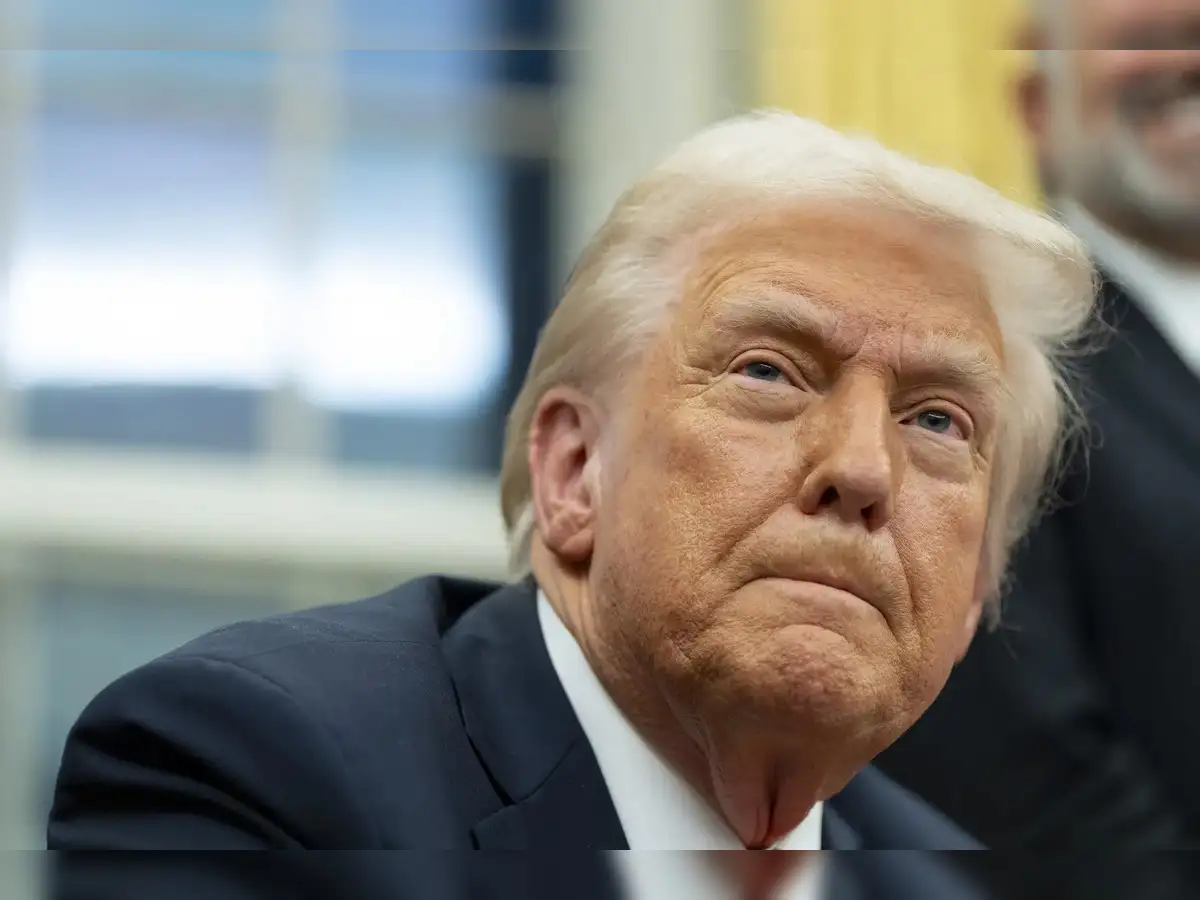
The return of Donald Trump to the White House has ushered in sweeping changes across federal agencies, and nowhere is the shift more evident than at the Federal Trade Commission (FTC). Once the epicenter of aggressive antitrust enforcement against Big Tech under the Biden administration, the FTC is now undergoing a philosophical and strategic pivot—one that could reshape the landscape for Silicon Valley giants.
A Regulatory Reset
Within weeks of President Trump’s second inauguration, his administration made clear that it would prioritize deregulation, mirroring the approach of his first term. Nowhere is this more apparent than at the FTC, where a new chair—rumored to be a seasoned corporate lawyer with a long history in tech—has taken the reins, signaling a sharp departure from the aggressive, progressive antitrust agenda championed by former chair Lina Khan.
While Khan made headlines for her hardline stance against Amazon, Meta, and Google, pushing cases that sought to rein in their market dominance, the new leadership appears poised to roll back that momentum. Insiders suggest that under Trump 2.0, the FTC is pivoting toward a more traditional antitrust framework—focused less on market power itself and more on clear consumer harm, such as price manipulation and fraud.
Investigations in Retreat?
Several high-profile investigations launched under the previous administration are now in limbo. Sources close to the agency report that certain probes—particularly those targeting Amazon’s fulfillment practices and Apple’s App Store fees—are being "re-evaluated" under the new enforcement criteria. Legal experts suggest that some cases may be quietly shelved, especially if they lack the kind of “smoking gun” evidence favored by the new FTC leadership.
The shift is not just strategic but ideological. A senior Trump appointee at the FTC recently stated, “We’re not in the business of picking winners and losers in the free market. Our job is to ensure competition, not punish success.” That stance, while appealing to pro-business factions, has alarmed consumer advocates and Democratic lawmakers, who fear a retreat from accountability for the tech sector.
Big Tech’s Cautious Optimism
Inside the headquarters of Big Tech firms, the atmosphere is one of cautious optimism. While the companies are wary of sudden political swings, they recognize that the regulatory climate may now be more favorable—or at least more predictable.
Lobbying efforts in Washington have intensified. Executives from Meta, Amazon, and Alphabet have reportedly reestablished open lines of communication with the FTC and other agencies, seeking to settle ongoing disputes or influence the interpretation of antitrust statutes. Trade associations that once feared a regulatory crackdown are now championing innovation and self-regulation as the best path forward.
Implications for Consumers and the Market
Critics warn that a lighter regulatory touch could embolden monopolistic behavior, stifle startups, and erode consumer protections. “If the FTC steps back, we could see consolidation accelerate,” warned Jessica Reynolds, a legal fellow at a progressive policy think tank. “The big players could get even bigger—less oversight means fewer guardrails.”
On the other hand, proponents argue that overly aggressive enforcement under the prior FTC leadership risked undermining American innovation and global competitiveness. “You don’t grow the economy by strangling its most successful companies,” said a Republican House member close to Trump’s tech advisory team.
The Road Ahead
Despite the apparent regulatory thaw, some bipartisan efforts to rein in Big Tech persist in Congress. A handful of antitrust bills remain under consideration, and state attorneys general—many of whom operate independently of federal guidance—continue to pursue tech-related lawsuits.
Still, the message from Washington is clear: under Trump 2.0, the FTC is pivoting back toward a business-friendly model that prioritizes market freedom over interventionism. Whether that unleashes a new wave of innovation or entrenches existing monopolies may define the digital economy for years to come.