 TECH TIMES NEWS
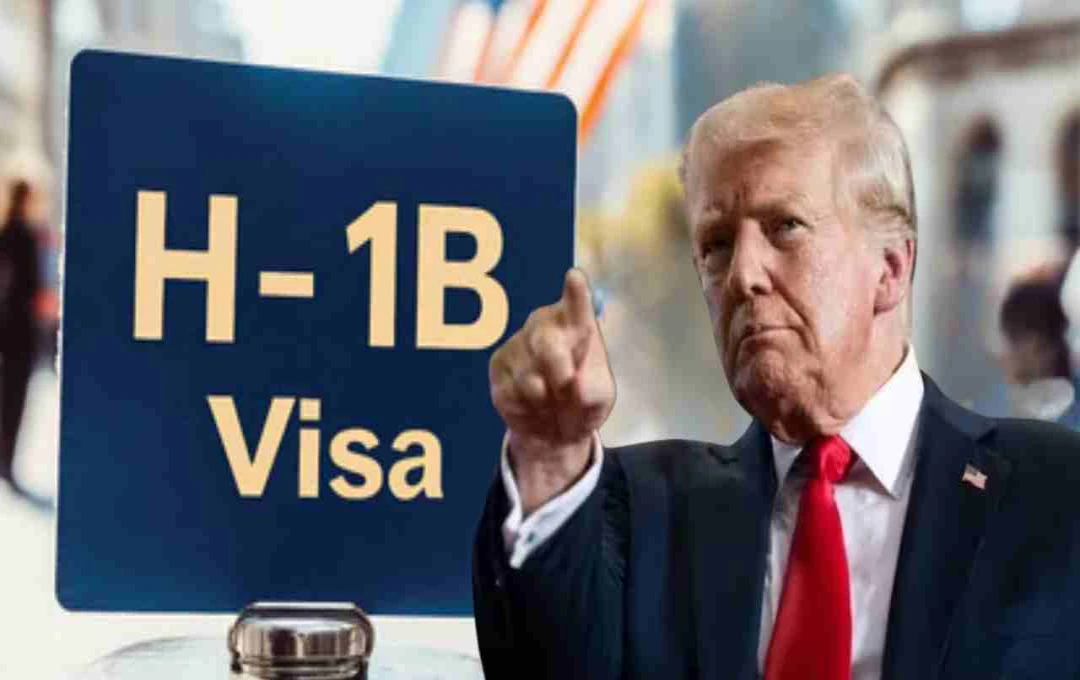
Former US President Donald Trump has signed a new proclamation introducing a hefty $100,000 application fee for H-1B visas, marking one of the most drastic changes in the skilled worker visa program’s history. The decision is aimed at discouraging what Trump calls "abuse of the system," while promoting American jobs for American workers.
H-1B Visa Program Under Spotlight
The H-1B visa program has long been a gateway for skilled professionals, particularly from India and China, to work in the United States. Traditionally, the filing fee ranged between a few thousand dollars depending on the employer and case category. The newly mandated $100,000 fee is unprecedented and could significantly restrict access to foreign talent.
Trump’s Justification and Political Motive
In his remarks, Trump said the measure would ensure that only companies with serious commitments to hiring foreign talent apply. He framed the proclamation as part of his broader “America First” economic agenda, asserting that the US should not be "a cheap outsourcing hub for global corporations."
Economic and Business Impact
Industry experts warn that the fee hike could severely impact tech firms, startups, and universities that rely on foreign professionals. Many fear this could deter innovation and investment in the US. Major technology companies, which are among the largest beneficiaries of H-1B visas, are expected to push back against the policy.
International Reaction
The move has already sparked concerns in India, which sends the largest number of H-1B applicants annually. Indian IT firms, which rely heavily on US contracts, may be forced to reconsider their hiring strategies. The Indian government is expected to raise the issue diplomatically.
Legal Challenges Ahead
Immigration advocacy groups have hinted at potential lawsuits, calling the fee "exorbitant, discriminatory, and unconstitutional." They argue that the proclamation undermines the spirit of fair access to global talent and creates financial barriers that benefit only the wealthiest corporations.