 TECH TIMES NEWS
White House Meeting Sparks Political and Corporate Debate
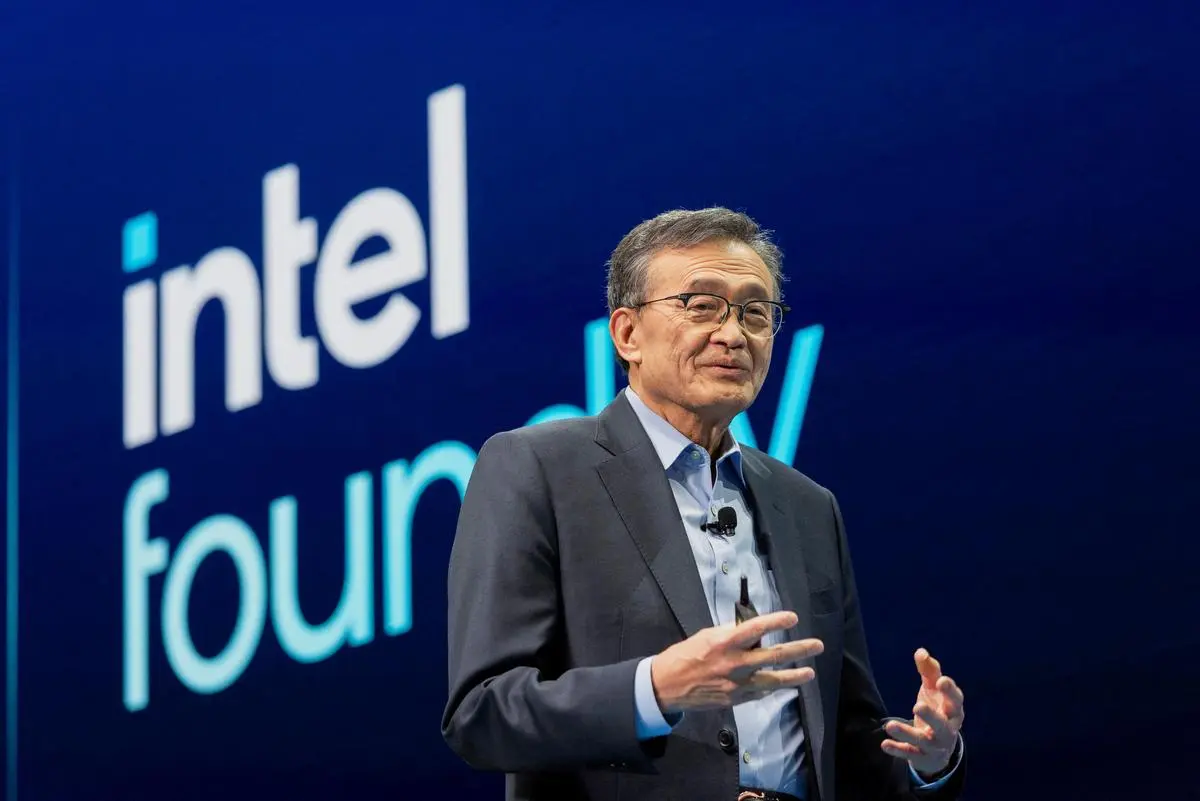
Former U.S. President Donald Trump recently held a closed-door meeting with Intel CEO Pat Gelsinger, days after publicly calling for his resignation. The unexpected sit-down has ignited political discussions and market speculation, particularly as Intel faces challenges in maintaining its position in the global semiconductor race.
Background: The Call for Resignation
Trump’s call for Gelsinger to step down came after reports of production delays and concerns over U.S. manufacturing competitiveness against Asian chipmakers. While Intel has been investing heavily in domestic chip plants, critics argue that leadership missteps have slowed progress, leaving the U.S. vulnerable in the technology supply chain.
Inside the High-Stakes Meeting
Sources familiar with the matter suggest the discussion covered Intel’s manufacturing timelines, supply chain strategies, and Washington’s role in supporting the semiconductor industry. While details remain undisclosed, the meeting was reportedly "cordial but tense," reflecting the high pressure both political and corporate leaders face in securing America’s chip independence.
Market and Industry Reactions
The meeting has stirred mixed reactions from investors and policymakers. Some see it as a chance for Intel to rebuild political goodwill, while others view it as a sign of deepening corporate-political tension. Analysts warn that public disagreements between political figures and CEOs could undermine investor confidence during a critical phase for the chip sector.
Looking Ahead for Intel
Despite the political drama, Intel continues to push forward with its U.S. expansion plans, including new fabrication plants in Arizona and Ohio. However, whether the company can meet its ambitious goals—and whether Gelsinger will remain at the helm—remains a question that could shape the future of America’s semiconductor leadership.