 TECH TIMES NEWS
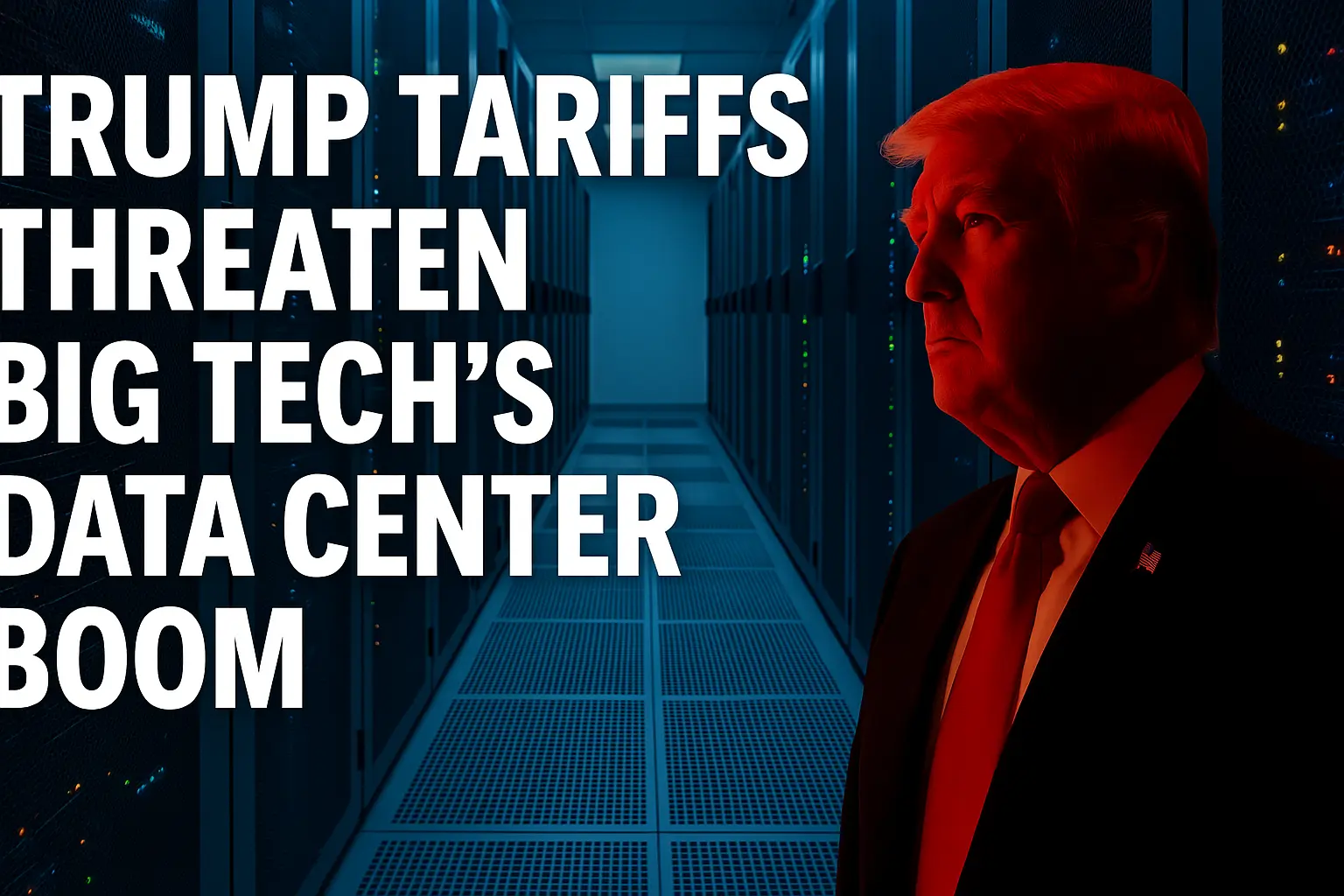
The U.S. tech industry’s aggressive expansion of data centers across the country may face a significant roadblock as former President Donald Trump’s proposed tariffs on China threaten to drive up costs for critical infrastructure. With companies like Amazon, Google, Microsoft, and Meta investing billions into AI-powered cloud computing, concerns are rising over how new import taxes could impact the availability and affordability of key hardware components.
Tariffs and Their Impact on Data Centers
The proposed tariffs—aimed at Chinese-manufactured chips, networking equipment, and server components—could increase costs for the hardware that fuels the expansion of U.S. data centers. These facilities require vast amounts of servers, GPUs, and fiber-optic networking gear, much of which is still produced in or reliant on Chinese supply chains.
"An increase in tariffs could raise capital expenditure costs for tech giants, potentially slowing the rollout of AI infrastructure, cloud services, and 5G networks," said David Patterson, a senior analyst at Silicon Valley Research Group. "This could impact everything from enterprise computing to consumer cloud applications like streaming and social media."
AI Boom at Risk?
Big Tech has been on a data center spending spree to power the next generation of artificial intelligence, with companies investing hundreds of billions in infrastructure upgrades.
-
Microsoft has announced plans to double its AI-focused data center capacity in the next three years.
-
Amazon Web Services (AWS) remains the largest cloud provider, investing heavily in expanding its U.S. server farms.
-
Google and Meta are also scaling their cloud computing networks to meet the demands of AI-driven services and advertising algorithms.
If tariffs drive up the cost of servers and networking gear, tech firms might scale back their expansion plans or seek alternative supply chains, potentially causing delays in AI and cloud innovations.
China’s Role in Tech Supply Chains
Despite efforts to diversify chip manufacturing through U.S.-based investments like TSMC’s Arizona plant and Intel’s domestic expansion, China still plays a critical role in supplying essential components, including:
-
Semiconductors
-
Cooling systems for data centers
-
Networking switches and routers
New tariffs could disrupt these supply chains, forcing companies to pay higher prices or shift production to other countries—potentially increasing costs further.
Will Big Tech Lobby Against Tariffs?
Historically, tech giants have resisted tariffs that could inflate hardware costs. In 2019, during Trump’s presidency, companies like Apple and Google lobbied for tariff exemptions on key tech products. Experts predict a similar push this time, with Silicon Valley likely to pressure lawmakers into creating carve-outs for essential data center equipment.
"The last thing Big Tech wants is a slowdown in AI and cloud expansion," said Patterson. "They will likely fight these tariffs aggressively."
What’s Next?
With Trump leading in some 2024 election polls, the possibility of renewed tariffs on China has raised concerns among investors and industry leaders. If implemented, these tariffs could reshape how and where Big Tech builds future data centers, potentially increasing costs for consumers relying on cloud-based services.
For now, the tech industry is watching closely—waiting to see if Washington’s trade policies will disrupt one of the most significant technology expansions in history.