 TECH TIMES NEWS
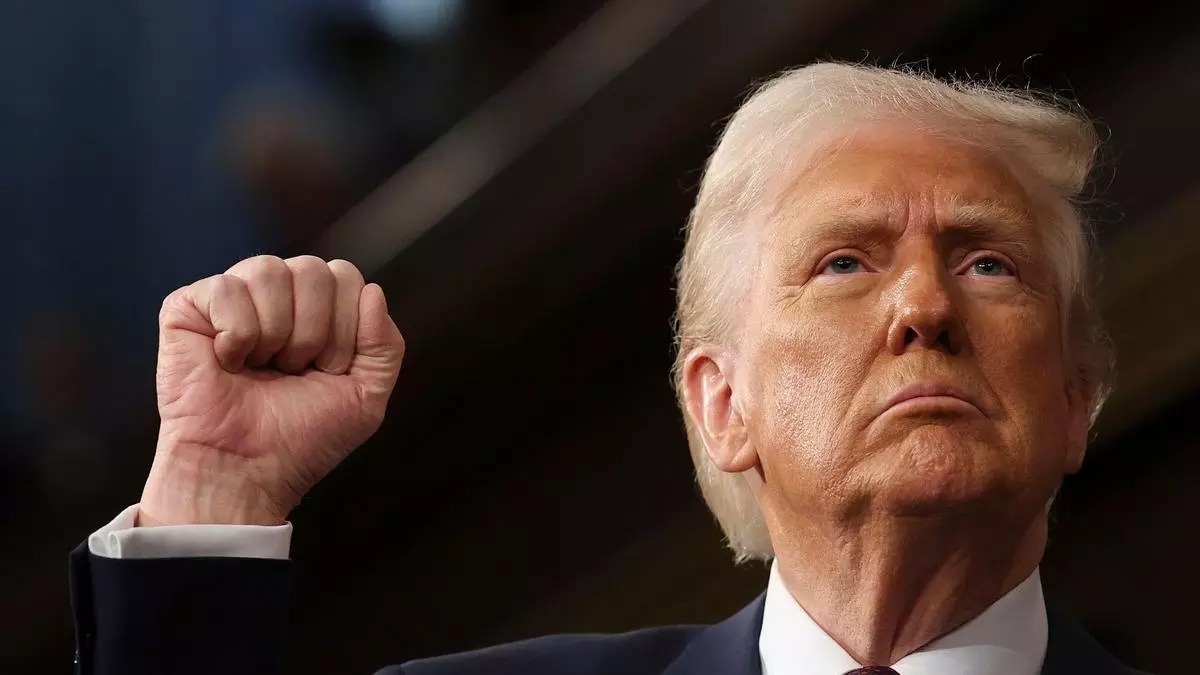
Former President Criticizes CHIPS Act Amid U.S. Efforts to Boost Domestic Chip Production
Former U.S. President Donald Trump has voiced strong opposition to the $52.7 billion CHIPS and Science Act, signaling his intent to dismantle the semiconductor subsidy program if re-elected. Trump criticized the legislation, arguing that the government should not be funding private corporations, even in strategic industries like semiconductor manufacturing.
His remarks come at a time when the United States is making aggressive moves to reduce reliance on foreign chip production, particularly from China and Taiwan, as part of a broader push for economic and national security.
Trump’s Stance on the CHIPS Act
The CHIPS and Science Act, signed into law in 2022 under President Joe Biden, allocated $52.7 billion in funding to support domestic semiconductor research, manufacturing, and workforce development. The law aimed to counter China’s growing influence in the global chip market and strengthen the U.S. supply chain amid rising geopolitical tensions.
However, Trump has criticized the act as a “corporate giveaway”, arguing that private semiconductor companies—some of which are highly profitable—should not rely on taxpayer money for expansion. He has also expressed skepticism over whether the funding would effectively boost U.S. chip production or merely benefit large corporations without delivering long-term economic benefits.
“If these companies are so great, they don’t need government handouts,” Trump reportedly said at a recent campaign event. He added that eliminating or redirecting the CHIPS Act funding would be part of his economic policy agenda if he wins the 2024 presidential election.
Impact on the Semiconductor Industry
Trump’s opposition to the CHIPS Act has raised concerns among semiconductor manufacturers, policymakers, and national security experts who argue that the subsidies are critical for ensuring the U.S. remains competitive in the global technology race.
Major chipmakers, including Intel, TSMC, and Samsung, have already started building new fabrication plants in the U.S., partly incentivized by the government funding. If the subsidy program is dismantled, experts warn that these investments could slow down, potentially pushing chip production back overseas.
Political and Economic Reactions
While Trump’s position aligns with his broader anti-subsidy and America First policies, critics argue that removing the CHIPS Act funding could undermine U.S. technological leadership and economic security. The Biden administration has defended the law, stating that public-private collaboration is essential to counter China’s dominance in semiconductor production.
Some Republican lawmakers have also supported the CHIPS Act, viewing it as a national security measure rather than corporate welfare. However, Trump’s influence over the party could shift GOP sentiment if he continues to push for its repeal.
What’s Next?
With the 2024 election approaching, the future of the CHIPS Act could become a significant policy debate. If Trump wins and moves to kill the subsidies, it could reshape the semiconductor industry’s investment landscape and impact the U.S. economy’s ability to compete in advanced technology sectors.