 TECH TIMES NEWS
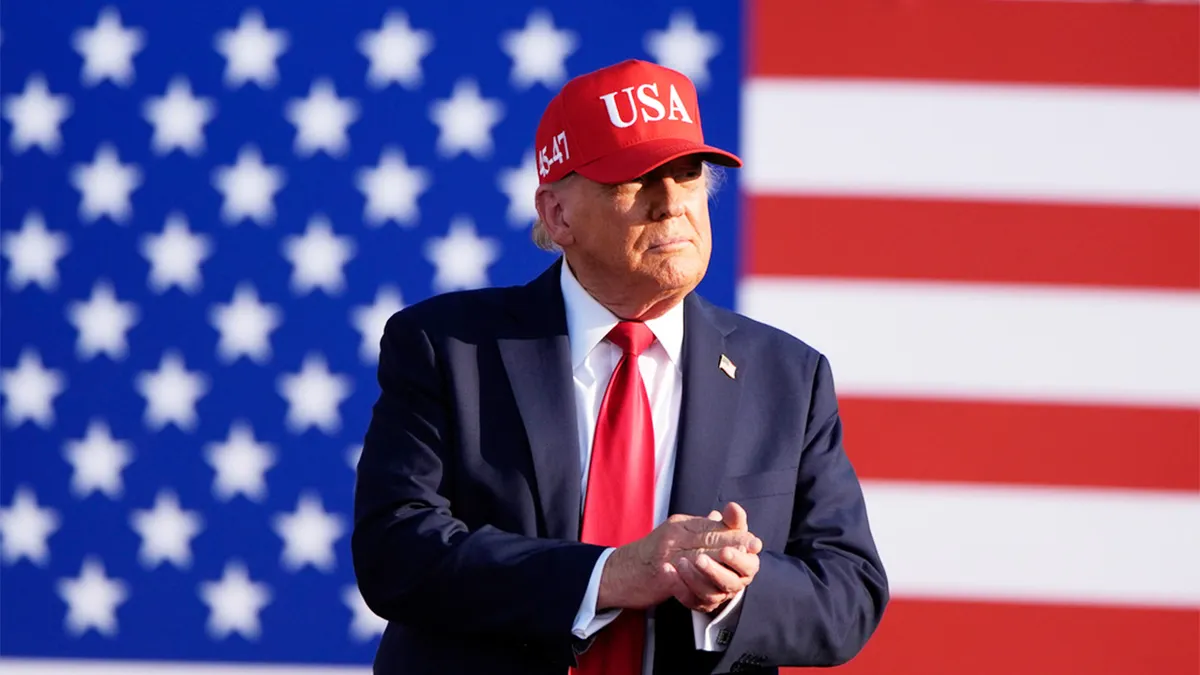
Former U.S. President Donald Trump has unveiled his vision for America’s artificial intelligence (AI) future, emphasizing a dramatic rollback of regulatory barriers. His proposed AI strategy aims to boost innovation and secure U.S. dominance in the global AI race by placing fewer restrictions on tech companies, a stark contrast to the Biden administration’s more cautious and safety-oriented approach.
Free Market First: Minimal Government Oversight
Trump’s plan rests on the belief that overregulation stifles innovation. Rather than burdening developers with bureaucratic red tape, Trump wants to unleash the potential of private enterprise by minimizing federal intervention. He argues that this hands-off approach will encourage faster development of AI tools and technologies, especially in fields like national defense, finance, and healthcare.
National Security and Competition with China
Echoing his 2020 campaign rhetoric, Trump emphasized the strategic need to outpace China in AI development. His policy highlights AI not just as an economic tool, but as a vital component of national security. Trump claims that loosening restrictions will make the U.S. more agile in deploying advanced technologies for defense and intelligence purposes.
Concerns from the Tech Community and Advocates
While Trump’s proposal has received praise from some venture capitalists and corporate leaders, AI ethicists and civil liberties groups have raised red flags. Critics warn that deregulation could lead to unchecked development of potentially harmful systems, exacerbate bias in AI algorithms, and expose consumers to privacy risks. They also caution that it could sideline transparency and accountability in favor of corporate profits.
Potential Policy Moves if Re-elected
If Trump secures a second term in 2025, his administration could roll back executive orders and frameworks introduced by President Biden, including the “AI Bill of Rights” and safety mandates for AI testing. Trump’s allies suggest he might also overhaul federal AI research funding to favor defense applications and private sector partnerships over academic and public interest initiatives.
Industry Watch: Winners and Risks
Trump’s plan has the potential to spark a surge in venture capital funding and corporate R&D in AI. However, without adequate oversight, experts warn of increased risks related to misinformation, surveillance abuse, and ethical misuse. The deregulation-first model could tilt the balance of AI power away from public governance toward big tech giants.