 TECH TIMES NEWS
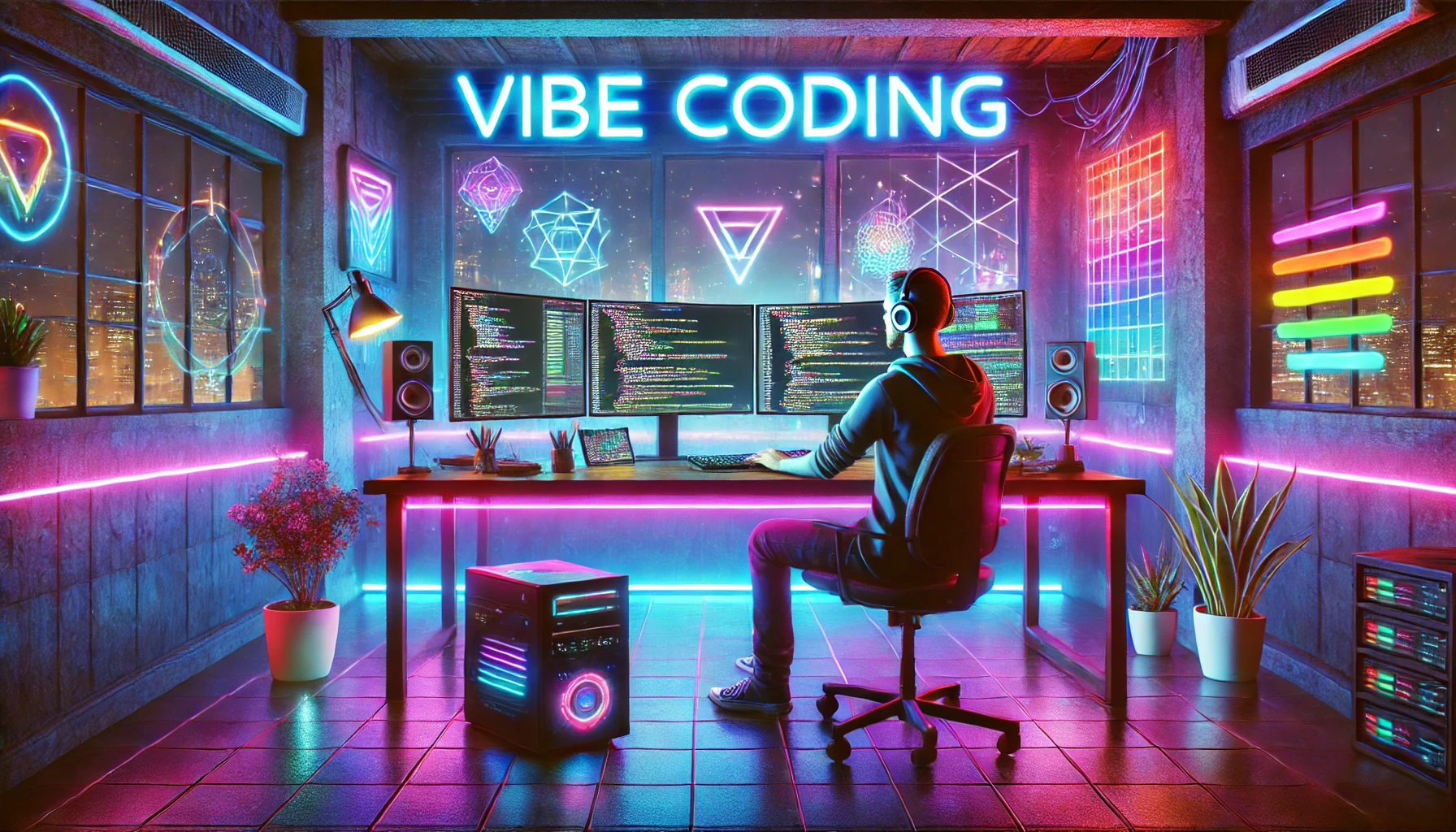
A new trend is sweeping through the programming world—Vibe Coding. Unlike traditional coding practices that emphasize efficiency and rigid structures, vibe coding is all about coding in a relaxed, intuitive, and creative state, often influenced by music, aesthetics, and personal mood. But why is this trend catching on, and how is it changing the way developers work?
Key Highlights:
✅ Vibe Coding emphasizes a relaxed, creative approach to programming.
✅ Developers code based on mood, inspiration, and aesthetic choices rather than strict rules.
✅ Music, ambient lighting, and workspace aesthetics play a crucial role.
✅ Popular among indie developers, AI engineers, and creative coders.
✅ Critics argue it may sacrifice efficiency for aesthetics.
What Is Vibe Coding?
Vibe Coding is an emerging trend where developers prioritize personal comfort, creative flow, and emotional state while writing code. Instead of strictly following best practices or optimizing every function for efficiency, vibe coders focus on how the process feels rather than just the final output.
Common elements of vibe coding include:
🎧 Music-driven coding – Developers craft software while listening to lo-fi beats, synthwave, or ambient music.
💡 Aesthetic setups – Colorful RGB lighting, calming desk setups, and cozy workspaces enhance creativity.
🎨 Expressive coding – Code is written in a visually pleasing, artistic way, even if it’s not the most optimized solution.
😌 Flow state focus – The goal is to get into a deep work state where ideas flow naturally, often ignoring traditional productivity metrics.
Why Is Vibe Coding Trending?
The rise of vibe coding can be attributed to several factors:
🔹 Tech Burnout & Mental Health Awareness – Traditional coding can be mentally exhausting. Vibe coding offers a less stressful alternative, helping developers stay engaged and creative.
🔹 AI-Assisted Development – With tools like GitHub Copilot and ChatGPT handling repetitive tasks, developers have more freedom to focus on creative aspects of coding.
🔹 Indie Development Boom – Many independent game devs, web designers, and AI engineers embrace vibe coding to make work more enjoyable and personal.
🔹 Social Media Influence – TikTok, YouTube, and Reddit are filled with videos of programmers showcasing aesthetic workspaces, coding playlists, and workflow hacks, fueling the trend.
The Debate: Is Vibe Coding Practical?
While vibe coding is gaining popularity, not everyone is convinced.
✔️ Supporters say:
✅ It makes coding more fun and engaging.
✅ Encourages creativity and experimentation.
✅ Reduces stress and prevents burnout.
❌ Critics argue:
❌ It sacrifices efficiency for aesthetics.
❌ Could lead to inconsistent code quality in team environments.
❌ May not work for high-stakes projects requiring precision and optimization.
Despite these concerns, many developers see vibe coding as a refreshing break from traditional, rigid programming approaches.
What’s Next for Vibe Coding?
📈 More tools catering to vibe coders – Expect new AI tools, customizable IDE themes, and music-driven coding platforms.
🎮 Rise in indie development – More solo programmers and small teams may adopt vibe coding to create unique, artistic projects.
💼 Mainstream adoption? – Large companies may explore blending vibe coding elements with structured workflows for better work-life balance.
Whether it’s a passing trend or the future of programming, vibe coding is redefining how developers interact with their craft—not just as work, but as a personal and creative experience.