 TECH TIMES NEWS
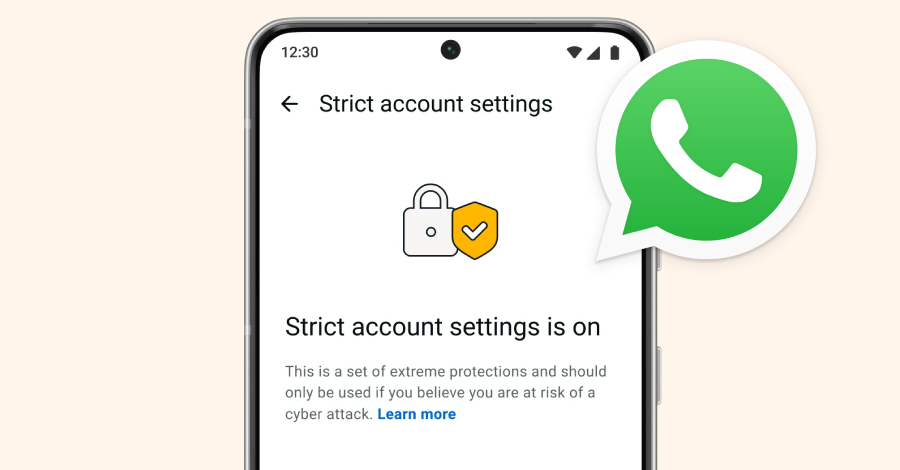
WhatsApp has announced the rollout of a new High-Security Mode, marking a significant move to give users deeper control over their digital safety. As concerns over data breaches, surveillance, and account takeovers continue to rise globally, the messaging platform is positioning itself at the forefront of privacy-first communication.
What the New High-Security Mode Offers
The newly introduced feature adds an extra layer of defense beyond WhatsApp’s existing end-to-end encryption. When activated, High-Security Mode restricts certain account actions, making it harder for unauthorized users to gain access even if they obtain login credentials. This includes tighter verification checks and reduced vulnerability to social engineering attacks.
Protection Against Account Hijacking and Spyware
One of the core objectives of the feature is to protect users from account hijacking and sophisticated spyware threats. By limiting how accounts can be accessed or transferred, the mode is designed to reduce risks linked to phishing, malicious apps, and SIM-swap fraud—issues that have increasingly targeted journalists, activists, and business users.
Part of a Wider Industry Trend
WhatsApp’s move aligns with a broader trend across the tech industry, where major platforms are racing to introduce stronger privacy tools. Companies are responding to growing regulatory pressure and user demand for transparency, security, and data sovereignty. High-Security Mode reflects this shift toward proactive protection rather than reactive fixes.
User Control and Optional Activation
Importantly, WhatsApp has made the feature optional, allowing users to decide whether they want maximum protection or a more flexible experience. Security experts note that this balance ensures everyday usability while still offering advanced safeguards for high-risk users.
Implications for the Future of Messaging Apps
With over two billion users worldwide, WhatsApp’s security decisions often influence industry standards. The introduction of High-Security Mode signals that advanced privacy features may soon become a baseline expectation rather than a premium option across messaging platforms.