 TECH TIMES NEWS
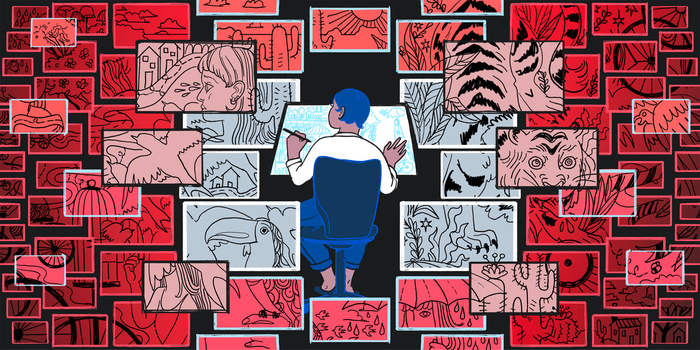
As artificial intelligence tools become increasingly capable of generating artwork, editing designs, and even producing music, a growing concern echoes through the creative industries: Will AI take over creative jobs? However, many professional artists and designers argue that while AI may assist, it cannot replace the heart, emotion, and cultural nuance embedded in human creativity.
The Soul Behind the Stroke
Unlike algorithms that mimic patterns, human artists bring experiences, emotions, and lived realities into their work. Illustrator Meera Joshi explains, “AI can generate images, but it doesn’t know how heartbreak feels or what nostalgia looks like through a child’s eyes. Our art comes from our stories.” This emotional depth is something AI still cannot grasp or replicate with authenticity.
Design Requires Empathy, Not Just Efficiency
Designers point out that their profession is not just about aesthetic appeal but solving real-world problems with empathy. User experience (UX) designer Rajesh Menon notes, “Design is about understanding human behavior. No machine can intuitively sense frustration in a user like a human can.” AI can generate layouts or templates, but the instinct to innovate and emotionally resonate with users remains deeply human.
AI as a Tool, Not a Threat
Rather than a replacement, many creatives see AI as a new tool in their arsenal. Digital artist Chloe Martinez says, “AI saves time in the mundane parts of the process. It helps me experiment faster but doesn’t define my vision.” From color correction to concept exploration, AI accelerates workflows but cannot independently generate originality.
Originality Can’t Be Coded
While AI systems like DALL·E, Midjourney, and Stable Diffusion can produce stunning visuals, they rely entirely on existing data. Creativity, by contrast, often emerges from breaking conventions, not replicating them. “True innovation means imagining what doesn’t exist,” says visual designer Aman Kaur. “AI can only remix, not invent.”
A Collaborative Future
Most creatives envision a future where humans and AI collaborate. Like the camera didn’t end painting, AI won’t end artistry—it will evolve it. Education in critical thinking, storytelling, and ethical use of technology is seen as essential to equip the next generation of artists for this changing landscape.