 TECH TIMES NEWS
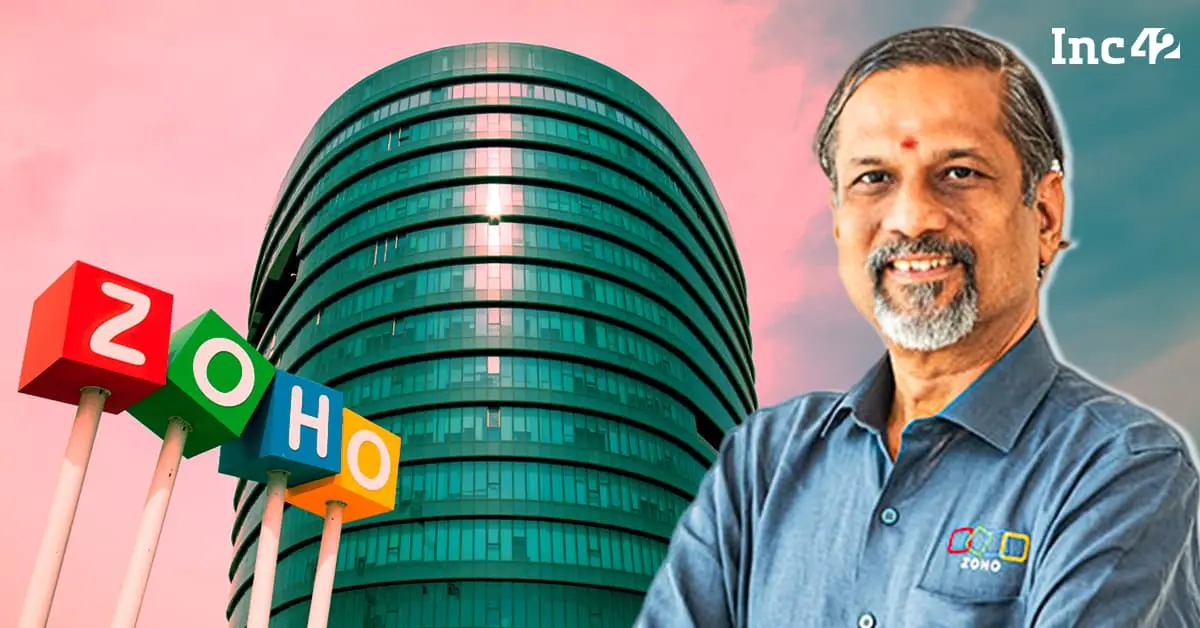
In a significant setback for India’s burgeoning semiconductor ambitions, software giant Zoho Corporation has reportedly withdrawn from its $700 million plan to establish a chipmaking facility, according to sources familiar with the matter.
The decision, which has not yet been formally announced by Zoho, marks another high-profile departure from India’s efforts to become a global semiconductor manufacturing hub. The sources, who requested anonymity due to the sensitive nature of the discussions, said internal evaluations led Zoho to conclude that the risks and costs associated with building a foundry outweighed the potential benefits.
“Zoho conducted a thorough assessment and determined that the capital-intensive nature of semiconductor manufacturing, coupled with supply chain complexities, made the project untenable at this time,” one source familiar with the company’s thinking said.
The $700 million plan, first floated in late 2023, was part of a broader initiative encouraged by the Indian government under its Semicon India Programme, a $10 billion incentive scheme launched to attract global and domestic players to set up fabrication units in the country. Zoho, traditionally known for its SaaS (Software as a Service) offerings, had surprised industry watchers with its proposal to enter the highly specialized chipmaking arena.
While the company had explored partnerships and scouted potential locations—reportedly considering Tamil Nadu and Telangana—it ultimately opted to shelve the venture. Regulatory hurdles, high upfront investment requirements, and global competition in semiconductor production were contributing factors, sources said.
The move comes on the heels of other similar withdrawals. Earlier this year, Foxconn pulled out of a joint chip venture with Vedanta, and several international firms are reportedly rethinking their India plans due to infrastructure and policy challenges.
“India has made substantial progress in chip design and software, but manufacturing is a different beast,” said Rajeev Mehta, an independent tech policy analyst. “The exit of a homegrown company like Zoho, which understands India’s ecosystem deeply, is both symbolic and concerning.”
The Indian Ministry of Electronics and Information Technology (MeitY) did not immediately respond to a request for comment.
Zoho itself has remained tight-lipped, with senior executives neither confirming nor denying the reports. However, in previous statements, CEO Sridhar Vembu had emphasized the importance of self-reliance in critical technologies, including semiconductors, making the retreat especially notable.
Despite the latest development, government officials have indicated that multiple proposals are still under active consideration, and new entrants continue to express interest.
India, which currently imports nearly all of its semiconductors, views local chip production as vital to national security and economic competitiveness. But experts warn that without significant public-private coordination and long-term policy stability, such ambitions may remain elusive.
For now, Zoho’s withdrawal underscores the harsh realities of breaking into an industry dominated by a few entrenched global players like TSMC and Intel.