 TECH TIMES NEWS
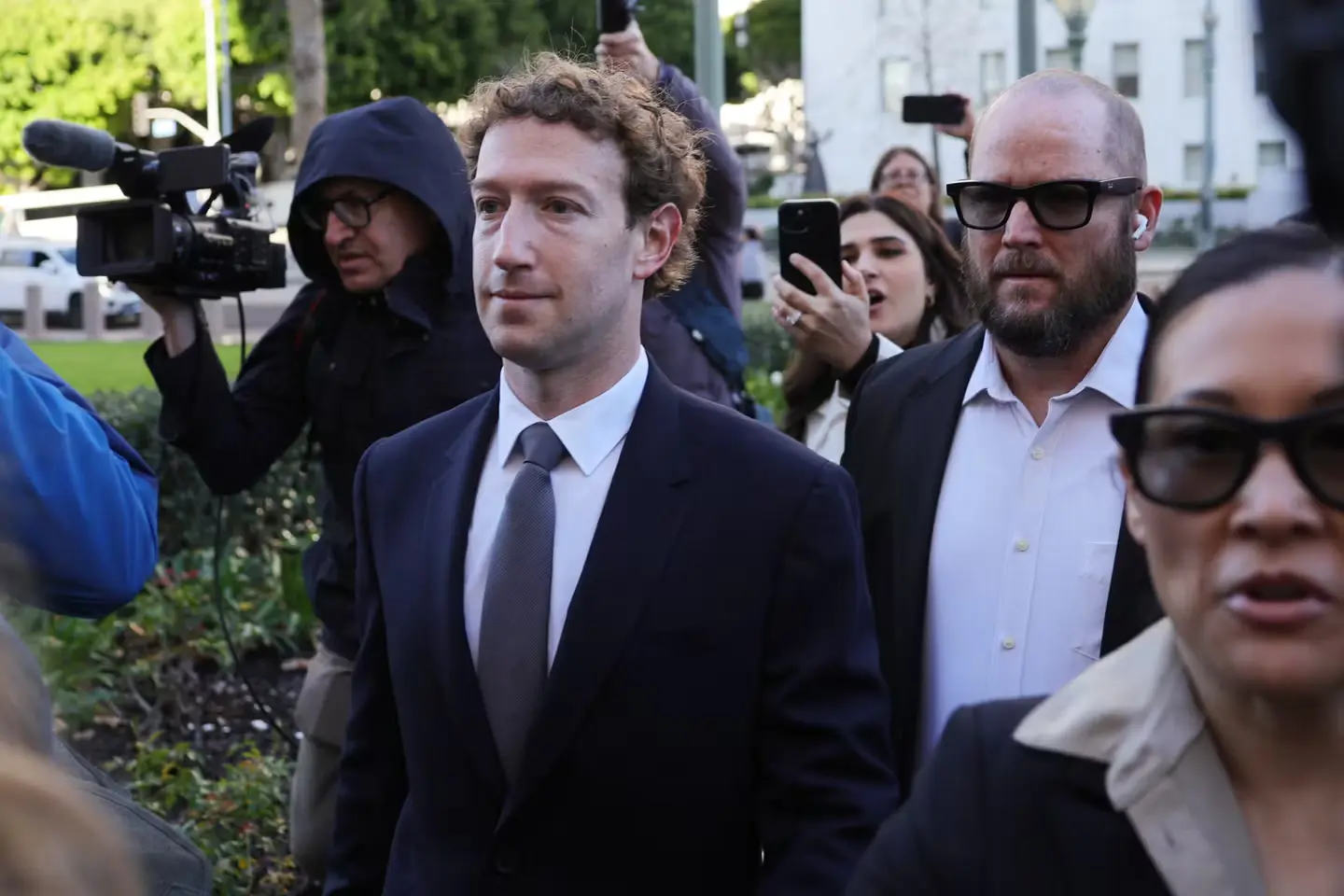
Meta CEO Mark Zuckerberg faced rigorous questioning in court as part of a high-profile social media trial centered on the company’s handling of underage users. Lawmakers and legal representatives pressed him on what critics describe as systemic failures to protect minors from harmful content, addictive design features, and data collection practices.
The trial, which has drawn national attention, examines whether Meta knowingly allowed its platforms — including Facebook and Instagram — to expose children and teenagers to unsafe environments while prioritizing growth and engagement metrics.
Allegations of Weak Age Verification
A major focus of the proceedings was Meta’s age verification systems. Attorneys questioned whether the company’s safeguards are robust enough to prevent children under the minimum age requirement from creating accounts. Evidence presented in court suggested that underage users were able to bypass age restrictions with minimal friction.
Zuckerberg maintained that Meta has invested heavily in artificial intelligence tools and parental control features designed to identify suspicious accounts and provide better supervision tools. However, plaintiffs argued that these measures remain reactive rather than preventive.
Internal Research Under Scrutiny
Court discussions also revisited internal research conducted by Meta regarding the psychological effects of social media on teenagers. Critics claim the company was aware of studies linking excessive social media use to anxiety, depression, and body image concerns among adolescents.
Zuckerberg acknowledged that certain internal findings highlighted potential risks but emphasized that the company has since introduced content moderation upgrades, screen-time reminders, and teen-specific safety settings to mitigate harm.
Calls for Stronger Regulation
The trial has reignited debates about federal oversight of social media platforms. Lawmakers attending the hearings indicated that the outcome could influence future legislation aimed at tightening digital safety standards for minors.
Child advocacy groups argue that voluntary measures by tech companies are insufficient and that legally enforceable protections are necessary. Proposed reforms include stricter age verification, limits on algorithm-driven content recommendations for minors, and clearer data privacy boundaries.
Meta’s Defense and Broader Industry Impact
Meta’s legal team defended the company’s efforts, stating that the digital landscape is complex and that safeguarding minors requires collaboration among parents, schools, policymakers, and tech firms. They cautioned against holding a single company responsible for broader societal challenges.
The outcome of the trial could set a precedent for how technology companies are held accountable for youth safety online. Industry observers believe the case may influence global regulatory frameworks and reshape how social platforms design products for younger audiences.