 TECH TIMES NEWS
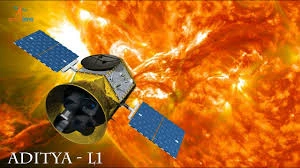
India's groundbreaking solar mission, Aditya L-1, has successfully completed its first year in orbit, offering scientists a unique opportunity to study the Sun and its impact on Earth. Launched by the Indian Space Research Organisation (ISRO) on September 2, 2023, the satellite reached its designated spot at the Lagrange Point 1 (L-1) on January 6, 2024, exactly 126 days after launch. Positioned 1.5 million kilometers away from Earth, Aditya L-1 is now observing the Sun without any obstructions, providing invaluable data for understanding solar activity.
A Crucial 3-Year Window for Solar Research
The next three years are set to be pivotal for Aditya L-1 and its mission to unravel the many mysteries of the Sun. Between 2025 and 2028, the Sun will enter its "solar maximum" phase, a period of intense solar activity, marking the peak of the 11-year solar cycle. This heightened solar activity presents a rare opportunity to study solar phenomena, including coronal mass ejections (CMEs), solar flares, and the Sun's overall magnetic behavior.
Aditya L-1’s scientific instruments will be at the forefront of this research, collecting data on solar radiation, temperature variations, and the Sun's explosive events. The mission is expected to shed light on how these solar activities impact the Earth's atmosphere, as well as offer insights into the protection of satellites from solar and geomagnetic storms.
Understanding the Sun: The Role of Aditya L-1
Aditya L-1 is equipped with four advanced scientific instruments designed to capture crucial data about the Sun. These include measurements of solar explosions, radiation, and temperature variations on the Sun’s surface and internal layers. Additionally, three instruments are continuously monitoring the environment around the satellite itself.
The mission’s primary goal is to explore the Sun's outer layers, including the corona, and understand how solar phenomena affect space weather. This research could help mitigate the risks posed by solar storms to communication satellites, GPS systems, and even power grids on Earth.
What is ‘Solar Maximum’ and Why Does it Matter?
The Sun undergoes an 11-year solar cycle, with periods of high and low activity. The "solar maximum" refers to the phase when solar activity is at its peak. During this time, the Sun’s surface temperature can reach approximately 5600°C, while temperatures inside can soar to several million degrees. Increased solar flares and coronal mass ejections (CMEs) are more frequent during this period, creating solar and geomagnetic storms that can disrupt satellites, space communications, and even Earth's own magnetic field.
The Aditya L-1 mission is critical because it will help scientists better understand these solar phenomena and their potential effects on Earth. Research from this mission could lead to advancements in protecting technology on Earth from space weather, such as how satellites can be shielded from the intense radiation produced by solar storms.
Unlocking Data for Global Research
The data collected by Aditya L-1 is transmitted back to Earth and made available on ISRO’s ‘Pradhan’ website. A 32-meter diameter antenna installed at Byalalu in India is responsible for receiving the satellite’s data, which is then processed and made accessible to scientists globally. After an initial "lock-in" period of six months to a year, the data is now open for analysis. Researchers can access this information to stay updated on future solar research and explore its potential applications in scientific journals and reports.
According to Nilesh M. Desai, Director of the Space Applications Centre at ISRO, "The data is now available on the Pradhan website, offering valuable information for future research on solar activities. We anticipate that this research will continue to provide crucial insights into solar phenomena and their effects on Earth."
Looking Ahead: A New Era of Solar Exploration
Aditya L-1’s successful first year marks a significant milestone in India’s space exploration efforts. As the mission continues to gather and share data over the next few years, scientists are optimistic that it will reveal answers to longstanding questions about the Sun’s behavior and its impact on our planet. With solar activity at a peak and cutting-edge technology at their disposal, researchers have a once-in-a-lifetime opportunity to deepen our understanding of the solar system’s most powerful star.
As the mission progresses, the world will be watching closely, eager to uncover the secrets of the Sun and its influence on the Earth’s environment, paving the way for advancements in space weather forecasting and protection technologies.