 TECH TIMES NEWS
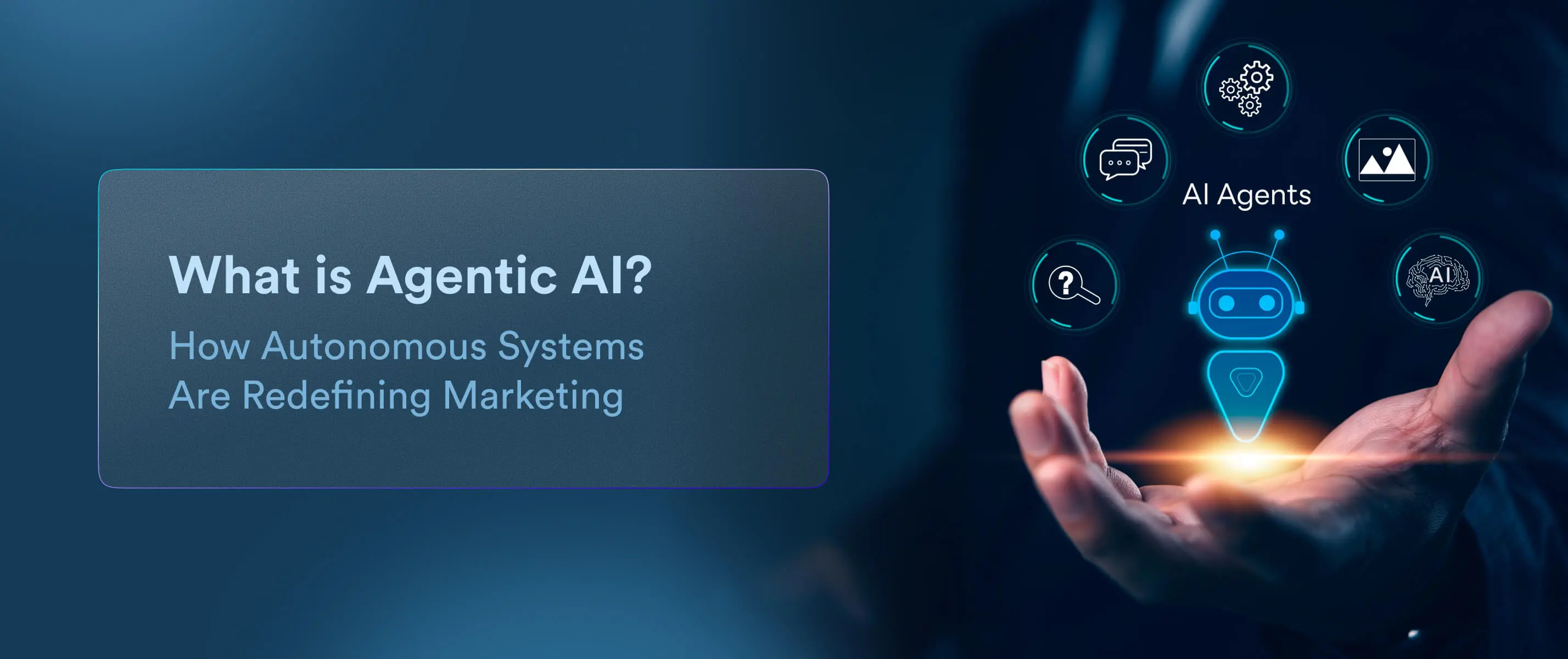
The fintech and banking sectors are entering a new phase driven by agentic AI, a form of artificial intelligence capable of setting goals, making decisions, and executing complex financial tasks with minimal human intervention. Unlike traditional AI models that respond to prompts or automate single workflows, agentic systems can independently manage multi-step processes such as loan approvals, fraud investigations, portfolio rebalancing, and compliance reporting. This shift could fundamentally redefine how financial institutions operate at scale.
From Digital Assistants to Autonomous Financial Agents
Banks have long relied on chatbots and rule-based automation for customer service. Agentic AI takes this further by acting as a financial agent that understands customer intent, anticipates needs, and takes action across platforms. In practice, this means AI agents could negotiate better interest rates, move funds to optimize returns, settle disputes, or proactively flag financial risks—without customers needing to initiate each step.
Hyper-Personalization Becomes the New Competitive Edge
In the agentic AI era, personalization moves beyond recommendations into real-time financial orchestration. AI agents can continuously analyze spending habits, income fluctuations, market conditions, and life events to adapt financial strategies dynamically. For fintech firms, this creates opportunities to offer deeply customized lending, insurance, wealth management, and credit scoring—while increasing user loyalty and lifetime value.
Risk Management and Compliance Get a Major Upgrade
Agentic AI systems are poised to transform how banks handle risk, fraud, and regulatory compliance. Autonomous agents can monitor transactions across global systems, identify anomalies, and initiate corrective actions instantly. This not only reduces financial crime but also helps institutions respond faster to evolving regulations. However, it also raises questions about explainability, auditability, and accountability—key concerns for regulators worldwide.
Human Roles Will Evolve, Not Disappear
Despite fears of job displacement, experts suggest agentic AI will augment rather than replace human workers. Relationship managers, risk analysts, and compliance officers will increasingly oversee AI agents, focusing on strategy, ethics, and complex judgment calls. The demand for AI governance, model oversight, and financial AI ethics is expected to grow rapidly.
Trust, Transparency, and Governance Remain Critical Challenges
As AI agents gain autonomy over financial decisions, trust becomes a central issue. Banks and fintech companies must ensure agentic systems are transparent, secure, and aligned with customer interests. Clear accountability frameworks, robust testing, and human-in-the-loop controls will be essential to prevent systemic risks and maintain public confidence.
A New Financial Operating System Is Emerging
The rise of agentic AI signals a broader transformation of fintech into an AI-native industry. Financial institutions that successfully integrate autonomous agents into their core operations may achieve unprecedented efficiency, speed, and personalization. Those that fail to adapt risk falling behind in a market increasingly defined by intelligent, self-directed systems.