 TECH TIMES NEWS
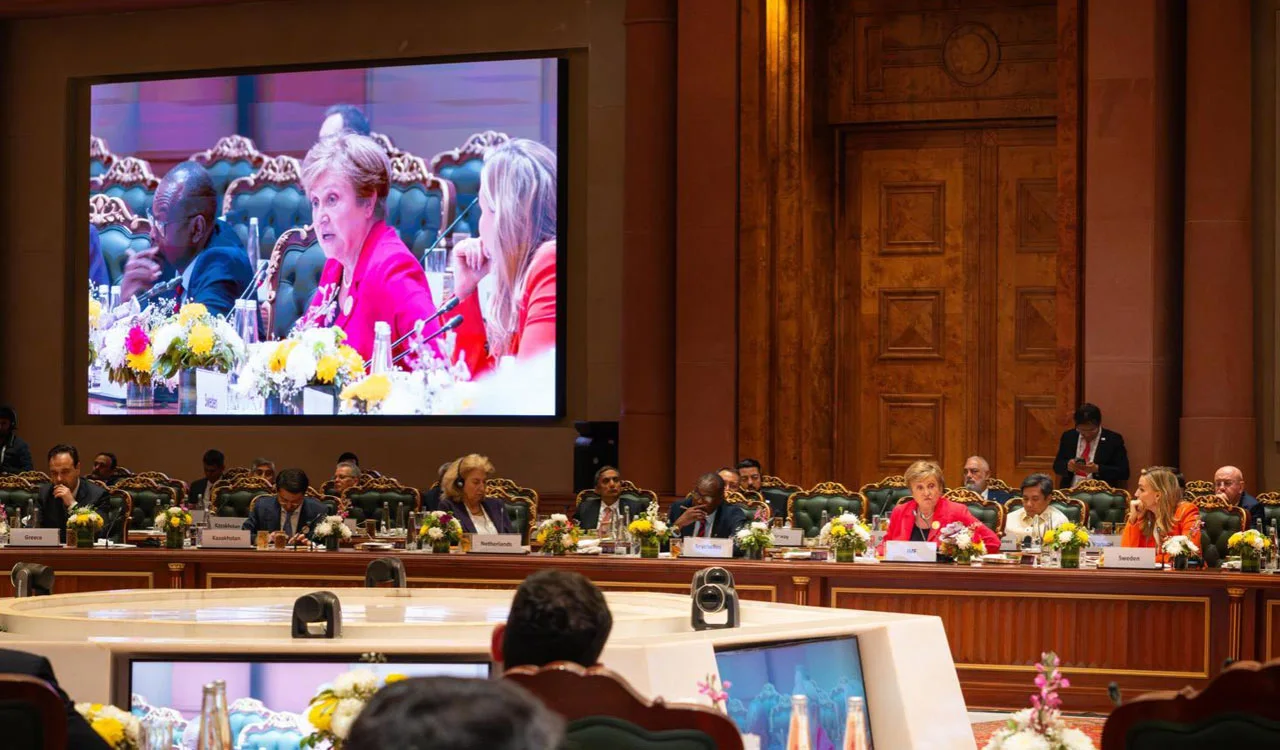
Artificial Intelligence (AI) can play a transformative role in helping India achieve its ambitious “Viksit Bharat” vision, but it also carries significant risks for employment, International Monetary Fund (IMF) Managing Director Kristalina Georgieva has cautioned. Speaking at a global policy forum, Georgieva said AI-driven productivity gains could accelerate economic growth in emerging markets like India, provided the country invests in skills and safeguards workers from disruption.
India has set an ambitious target of becoming a developed nation by 2047, marking 100 years of independence. The IMF chief noted that digital transformation, including AI adoption across industries, could enhance efficiency, boost innovation, and strengthen public service delivery—key pillars for sustained economic progress.
Balancing Growth With Job Security
While highlighting AI’s potential, Georgieva stressed that automation could displace a substantial portion of routine and mid-skill jobs. Sectors such as IT services, back-office operations, customer support, and even segments of manufacturing could face restructuring as AI tools become more capable.
According to IMF assessments, a notable share of jobs in advanced and emerging economies are exposed to AI-driven changes. In India’s case, the impact may vary widely between urban and rural areas, as well as between formal and informal sectors. The IMF chief emphasized the urgency of reskilling and upskilling initiatives to ensure workers can transition into new roles created by the technology.
Opportunity for Productivity and Public Services
AI could significantly improve productivity in agriculture, healthcare, education, and governance. In a country as large and diverse as India, AI-powered analytics and automation may help bridge service gaps and enhance efficiency in welfare distribution, tax systems, and infrastructure planning.
Georgieva pointed out that India’s strong digital public infrastructure—such as Aadhaar, UPI, and other digital platforms—provides a solid foundation for integrating AI solutions at scale. If managed responsibly, AI could expand financial inclusion, improve healthcare diagnostics, and strengthen supply chains.
Policy Measures Crucial to Minimise Disruption
The IMF chief urged policymakers to design forward-looking labour policies and social safety nets to cushion potential job losses. Investment in digital education, vocational training, and public-private partnerships will be essential to prepare the workforce for AI-driven industries.
She also called for regulatory clarity and ethical frameworks to address concerns related to data privacy, bias, and misinformation. Ensuring responsible AI deployment will be critical to maintaining public trust and inclusive growth.
India’s Demographic Dividend at a Crossroads
India’s young and expanding workforce is often described as a demographic dividend. However, Georgieva warned that without timely intervention, rapid AI adoption could turn that dividend into a challenge. Preparing millions of young workers for emerging tech-driven roles will determine whether AI becomes a net positive force for the economy.
As India advances toward its long-term development goals, the IMF’s message underscores a delicate balancing act: harnessing AI for economic acceleration while protecting livelihoods in a rapidly evolving labour market.