 TECH TIMES NEWS
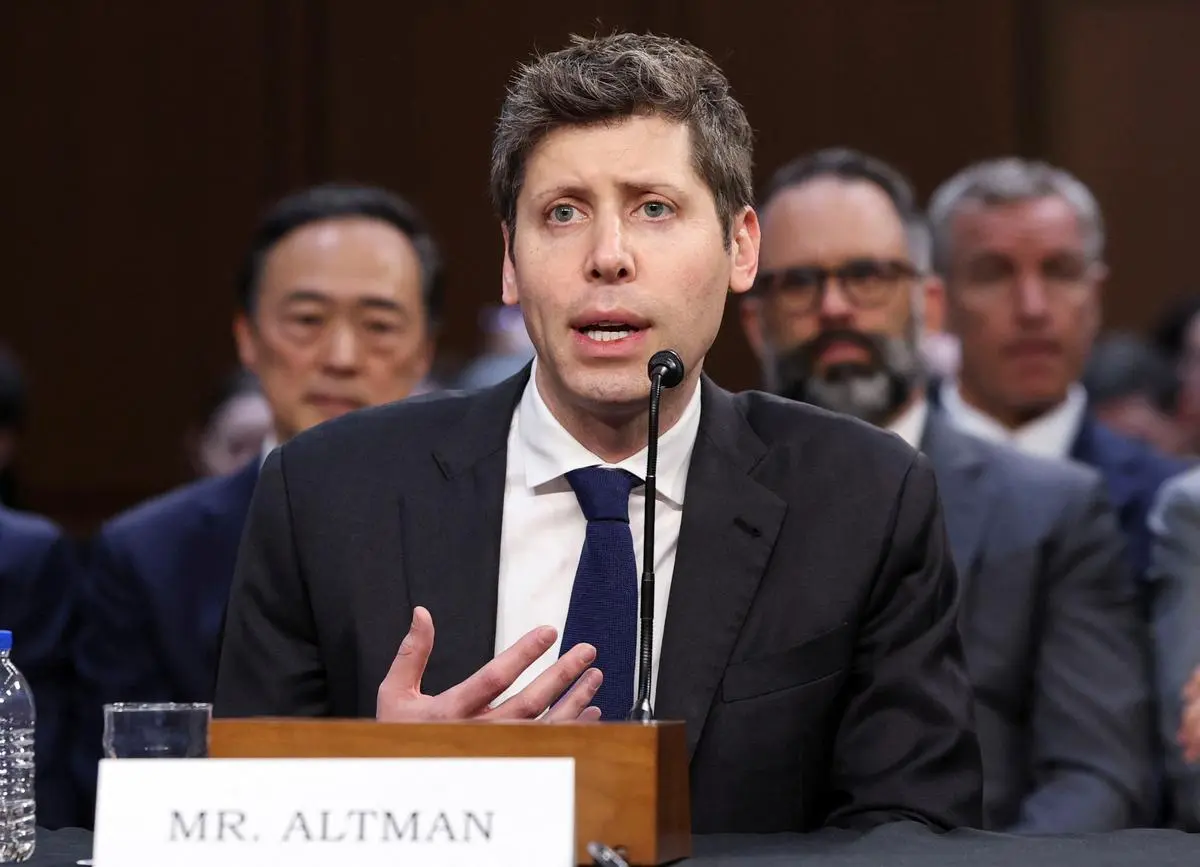
In a high-stakes congressional hearing on Capitol Hill this week, OpenAI CEO Sam Altman, alongside other top executives from the U.S. tech sector, delivered testimony on the growing strategic competition with China in the field of artificial intelligence (AI). The session, hosted by the Senate Committee on Commerce, Science, and Transportation, aimed to address national security concerns, regulatory gaps, and the future of U.S. innovation leadership in AI.
Altman, known for his central role in shaping the trajectory of advanced AI systems through OpenAI’s GPT models, urged lawmakers to take swift but thoughtful action to bolster American technological capabilities. “The stakes are high,” Altman said during his opening remarks. “Artificial intelligence will define global power structures in the coming decades. The U.S. must lead not only in innovation, but in the values and governance frameworks that steer this technology.”
Joining him were leaders from Google DeepMind, Microsoft, NVIDIA, and several prominent AI research institutions. Each stressed the importance of increased federal investment in AI research, workforce development, and semiconductor manufacturing—areas where China has made significant strategic advances.
Bipartisan Alarm and Strategic Urgency
Senators from both parties echoed the urgency, expressing concern that the U.S. risks falling behind if it does not act decisively. “China has made AI a cornerstone of its geopolitical strategy,” said Senator Maria Cantwell (D-WA), chair of the committee. “If we’re not equally focused, we may find ourselves dependent on systems we didn’t build and values we don’t share.”
Senator Todd Young (R-IN), a co-sponsor of the U.S. Innovation and Competition Act, emphasized the need for continued bipartisan commitment to scientific competitiveness. “This is not just about economics. It’s about national security, civil liberties, and global influence.”
Call for a National AI Strategy
A recurring theme during the hearing was the absence of a comprehensive national AI strategy. Altman and others advocated for a centralized federal framework that aligns research funding, data governance, AI safety protocols, and international collaboration. Microsoft President Brad Smith pointed to the European Union’s evolving AI Act as a potential model for balancing innovation and regulation.
“The U.S. can’t afford a fragmented approach,” Smith said. “We need clear standards, shared goals, and a public-private partnership that rivals the scale of the space race.”
AI and Ethical Leadership
Beyond geopolitical competition, the testimony highlighted the moral dimensions of AI development. Altman warned of the risks of unchecked proliferation, including misinformation, surveillance, and autonomous weapons. “We have a narrow window to align the development of AI with democratic values,” he said, advocating for international norms and AI safety research.
OpenAI’s voluntary alignment with safety commitments—such as publishing model capabilities, limiting use cases, and promoting transparency—was cited as an example of industry-led self-regulation. However, several senators indicated that voluntary measures are not enough.
Looking Ahead
The hearing concluded with a consensus on the need for both innovation and oversight. Committee members signaled their intent to draft bipartisan legislation that would establish a National AI Directorate, increase funding for the National Science Foundation’s AI initiatives, and incentivize secure AI supply chains.
In a brief exchange following the hearing, Altman told reporters, “This isn’t about stifling technology. It’s about building it responsibly, with the world watching—and hoping we get it right.”
As AI continues to reshape economic and strategic paradigms, the dialogue between Washington and Silicon Valley may prove crucial not only for the future of U.S. competitiveness, but for the very nature of human-machine coexistence.