 TECH TIMES NEWS
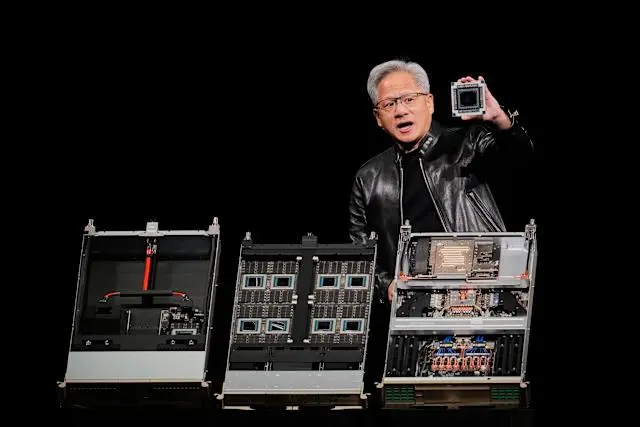
Nvidia’s chief executive Jensen Huang has outlined an ambitious financial trajectory for the company, projecting that the chipmaker could generate up to $1 trillion in cumulative revenue by 2027. The forecast reflects the company’s confidence in sustained demand for artificial intelligence (AI) infrastructure, which has rapidly become the backbone of modern computing and enterprise innovation.
AI Demand Continues to Drive Growth
At the heart of Nvidia’s optimism lies the explosive growth in AI adoption. From cloud providers to startups, demand for high-performance GPUs and AI accelerators has surged. Nvidia’s hardware powers everything from large language models to data centers, positioning the company as a central player in the AI revolution.
Huang emphasized that AI is transitioning from an experimental technology into a critical utility, much like electricity or the internet, which could unlock multi-trillion-dollar opportunities across industries.
Data Centers Lead Revenue Expansion
A major contributor to Nvidia’s projected revenue growth is its data center business. Over recent quarters, this segment has outpaced gaming and other divisions, driven by hyperscalers and enterprises investing heavily in AI infrastructure.
Companies such as Microsoft, Amazon, and Google continue to expand their AI capabilities, relying heavily on Nvidia’s chips. This growing ecosystem is expected to sustain strong revenue streams and long-term partnerships.
New Product Cycles Strengthen Outlook
Nvidia’s roadmap of next-generation GPUs and AI platforms is another key factor supporting its trillion-dollar goal. The company has consistently introduced more powerful and efficient chips, enabling faster AI training and inference.
With each new product cycle, Nvidia not only boosts performance but also increases average selling prices, further accelerating revenue growth. Its software ecosystem, including CUDA and AI frameworks, also strengthens customer lock-in.
Competition and Risks Remain
Despite the bullish outlook, Nvidia faces increasing competition from rivals such as AMD, Intel, and emerging AI chip startups. Additionally, geopolitical tensions and export restrictions could impact global sales, particularly in key markets.
Supply chain constraints and pricing pressures may also pose challenges, though Nvidia has so far managed to navigate these issues effectively.
Long-Term Vision Anchored in AI Transformation
Huang’s projection underscores a broader belief that AI will reshape every industry—from healthcare and finance to manufacturing and entertainment. Nvidia aims to remain at the center of this transformation by continuously innovating and expanding its ecosystem.