 TECH TIMES NEWS
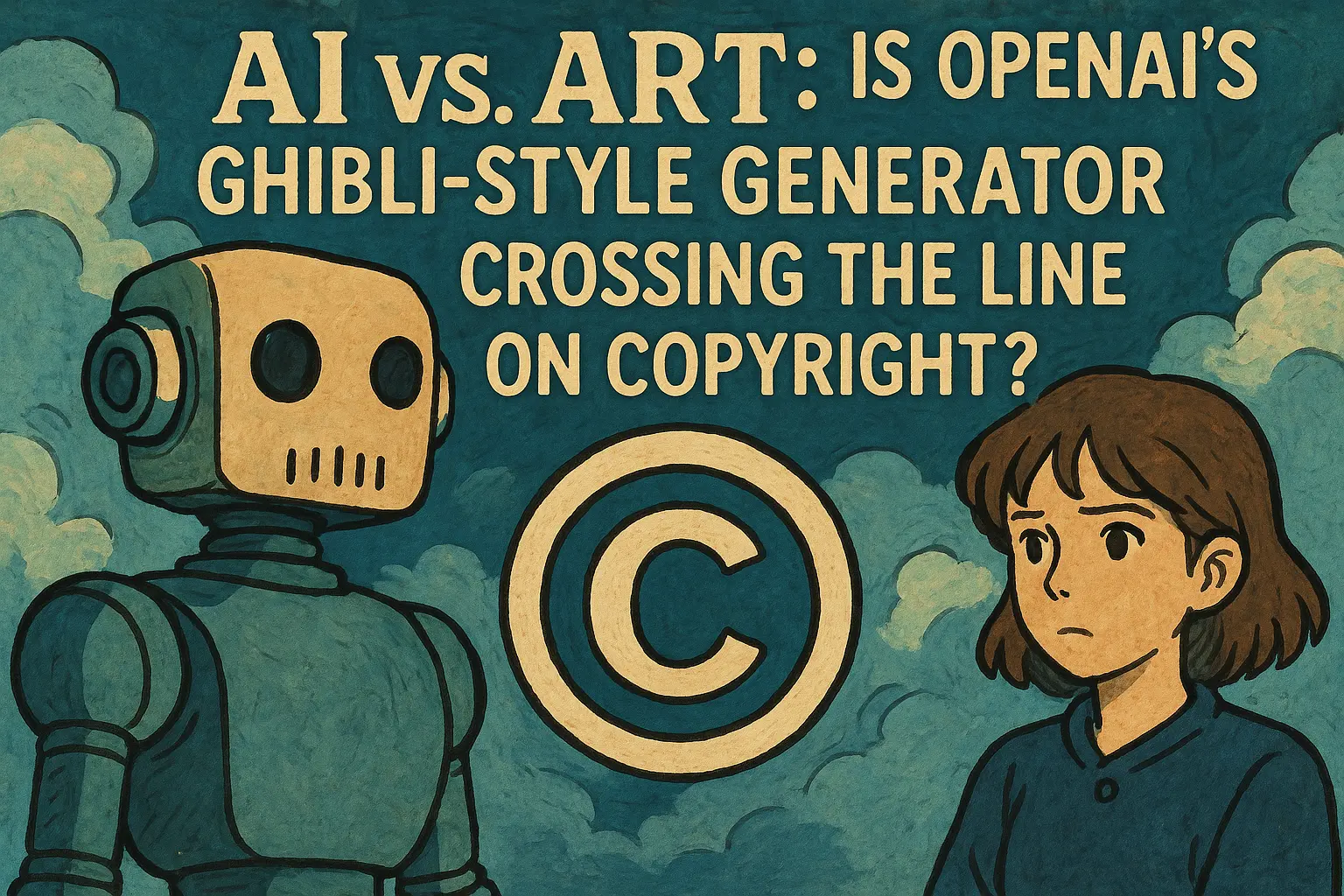
Is OpenAI’s Studio Ghibli-Style AI Image Generator Undermining Copyright Law?
In a world where technology and creativity intersect, a new development has raised concerns about copyright law and its ability to keep up with the rapid advancements in artificial intelligence. OpenAI’s recent release of an AI image generator capable of producing images in a distinct Studio Ghibli-style has stirred up a storm in both creative and legal circles. The technology, which allows users to generate images that closely resemble the beloved aesthetic of Studio Ghibli films, has sparked debates about the ethical implications, ownership rights, and the boundaries of fair use.
The AI Revolution: Art Meets Machine Learning
AI-generated artwork has made significant strides in recent years, with tools like DALL·E, MidJourney, and now OpenAI’s studio Ghibli-inspired generator, enabling users to produce highly realistic, stylized images with just a simple prompt. The technology is based on machine learning models that are trained on vast datasets of images from the internet, allowing the AI to "learn" different artistic styles, visual patterns, and compositions.
In the case of OpenAI’s generator, it takes inspiration from the iconic visual language of Studio Ghibli films—known for their lush landscapes, whimsical creatures, and meticulously designed characters. While the generator does not directly copy specific scenes or characters from the Studio Ghibli universe, its ability to produce artwork that evokes the same ethereal and fantastical quality raises significant concerns.
The Copyright Dilemma
Copyright law is designed to protect the original works of creators, ensuring that artists maintain control over the reproduction and distribution of their creations. However, when it comes to AI-generated works, things become murkier. The current legal framework around AI and copyright is still in its infancy, and many are questioning whether existing laws are sufficient to address the new challenges posed by machine-generated content.
In this case, the core issue is whether AI-generated images that mimic the visual style of a well-established studio, such as Studio Ghibli, constitute a violation of copyright. While the AI does not directly infringe on Ghibli’s copyrighted characters or specific scenes, some argue that the output could be considered derivative. The concern is that AI models trained on large datasets, which often include copyrighted material, may inadvertently replicate the protected elements of those works.
Studio Ghibli itself has been relatively quiet on the matter, but intellectual property experts have voiced their concerns. Some believe that while the AI may not technically infringe on Ghibli’s copyrights, the potential for widespread use of such tools could dilute the uniqueness of the studio’s art style, making it more difficult for artists and studios to retain exclusive ownership over their creative assets.
Fair Use vs. Creative Ownership
One of the key legal defenses in such cases would likely be the concept of "fair use," which allows limited use of copyrighted material for purposes such as commentary, criticism, or parody. But can this defense be applied to AI-generated images? Some argue that AI is a transformative tool, capable of creating something new based on learned styles without directly copying protected works. Under this argument, the AI-generated images could be considered original works, as they are not exact reproductions of copyrighted art.
On the other hand, critics argue that the use of a specific style—especially one as recognizable as Studio Ghibli’s—may undermine the original work’s value, and that the ease with which AI tools can replicate such styles could lead to a devaluation of traditional art forms and the hard work of human artists.
The Impact on Artists and the Creative Industry
While the legal questions surrounding AI-generated art remain unresolved, the impact on human artists is already being felt. Many fear that AI-driven platforms will make it easier for businesses to bypass traditional artists, opting instead to use algorithms to generate artwork at a fraction of the cost. This could lead to a reduction in opportunities for artists and creative professionals who rely on their unique styles and skills to make a living.
Moreover, the proliferation of AI-generated art could lead to a more homogenized aesthetic across the internet. If anyone can generate images in the style of Studio Ghibli, or any other famous artist, it may become more difficult for individual creators to stand out. It could also challenge the idea of what constitutes "authorship" in the world of art.
A Call for Clearer Regulations
As AI technologies continue to evolve, many experts argue that the copyright laws governing such works need to be updated to reflect the complexities of machine-generated content. Some suggest that new guidelines should be established to address the ownership of AI-generated works, as well as the responsibilities of the companies that develop and distribute these tools.
The question of whether OpenAI’s Studio Ghibli-style generator—and others like it—undermines copyright law ultimately depends on how society chooses to interpret and adapt existing legal frameworks. What is clear is that the intersection of AI and intellectual property will continue to be a hotly debated issue as the technology becomes more pervasive in the world of creative industries.
As it stands, the AI-generated images produced by OpenAI’s new tool are not direct copies of Ghibli’s works, but they certainly evoke a recognizable style. Whether this is a violation of copyright, a fair use, or a transformative creation is something that legal experts and the creative community will continue to grapple with in the years to come.