 TECH TIMES NEWS
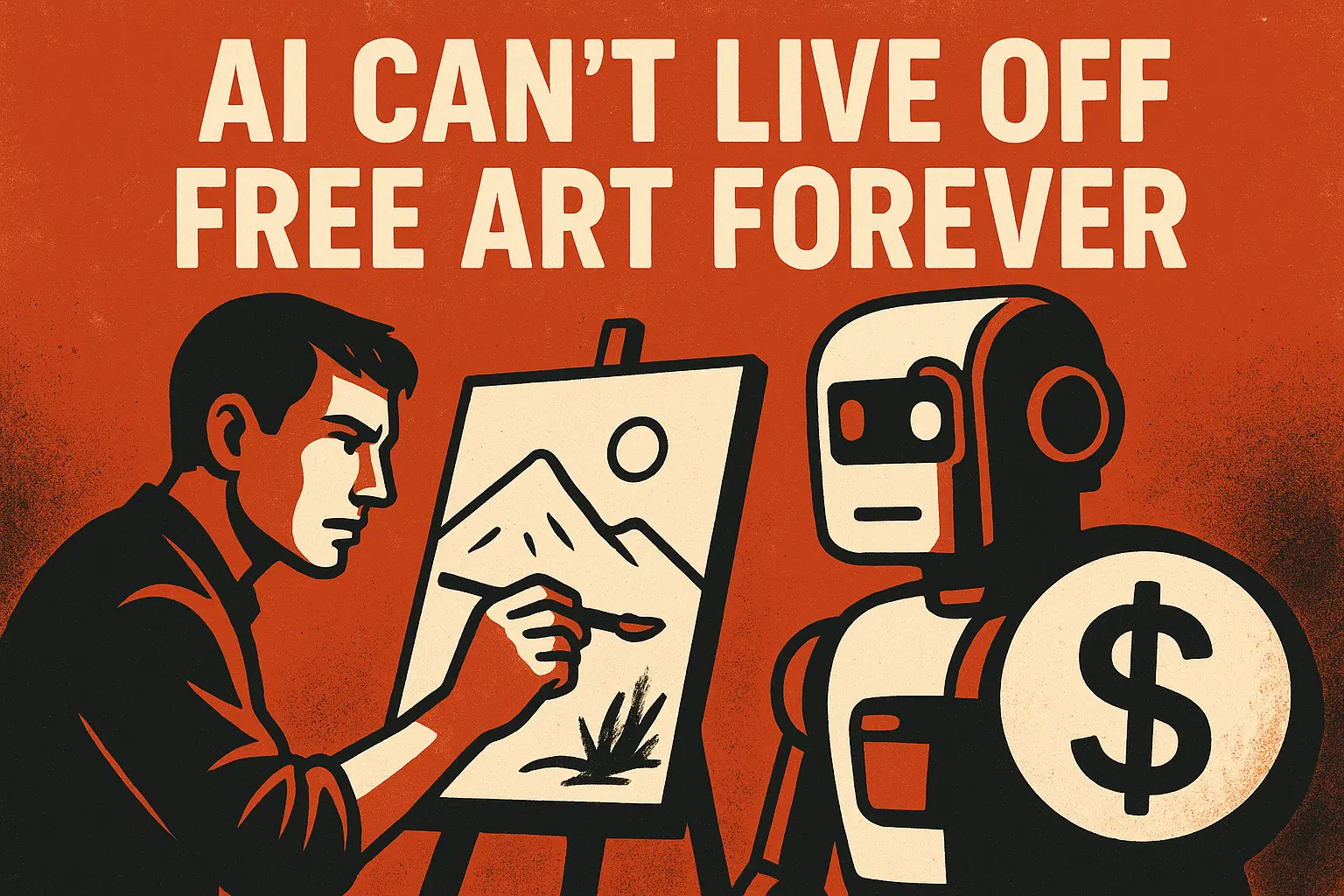
The global debate around artificial intelligence and creative ownership is intensifying as artists, photographers, and musicians warn that “AI can’t live off free art forever.” As generative AI systems continue to consume massive amounts of online creative content for training, a growing movement is calling for stricter copyright enforcement and fair compensation to creators whose works have been used without consent.
The Data Dilemma: AI Models Running Out of Legal Training Material
Industry analysts have begun to highlight a significant issue: AI developers are running out of high-quality, copyright-free data. Most large language and image models, such as OpenAI’s GPT series, Midjourney, and Stable Diffusion, were trained on datasets that included billions of images and texts sourced from the open internet. However, with increasing legal scrutiny and content restrictions, the pool of freely available creative data is drying up, forcing AI companies to rethink how they acquire training materials.
Artists and Lawmakers Join Forces Against Unlicensed Data Use
Artists and creators across the world are pushing back against what they describe as “creative theft.” Several lawsuits in the U.S. and Europe accuse AI firms of scraping copyrighted works from websites and art platforms without consent. Legislators are also stepping in — proposing frameworks that could require AI companies to obtain licenses for creative content, ensuring royalties and recognition for original creators.
Big Tech’s Shift Toward Licensed and Paid Content Deals
Recognizing the growing backlash, major AI companies are now seeking partnerships with publishers, media houses, and stock photo agencies. OpenAI, for instance, has inked deals with Associated Press and Shutterstock to legally use their archives for training models. These agreements mark a shift from the “free-for-all” era of AI data scraping to a more sustainable ecosystem grounded in licensing and collaboration.
The Future: A Paid Data Economy for Artificial Intelligence
Experts predict that the next phase of AI development will be defined by ethical data sourcing. Companies that continue to rely on unlicensed content risk reputational damage and legal battles. As the creative community demands fair compensation, the message is clear: artificial intelligence must learn to pay for the art it consumes — or risk losing access to the very creativity that fuels its innovation.