 TECH TIMES NEWS
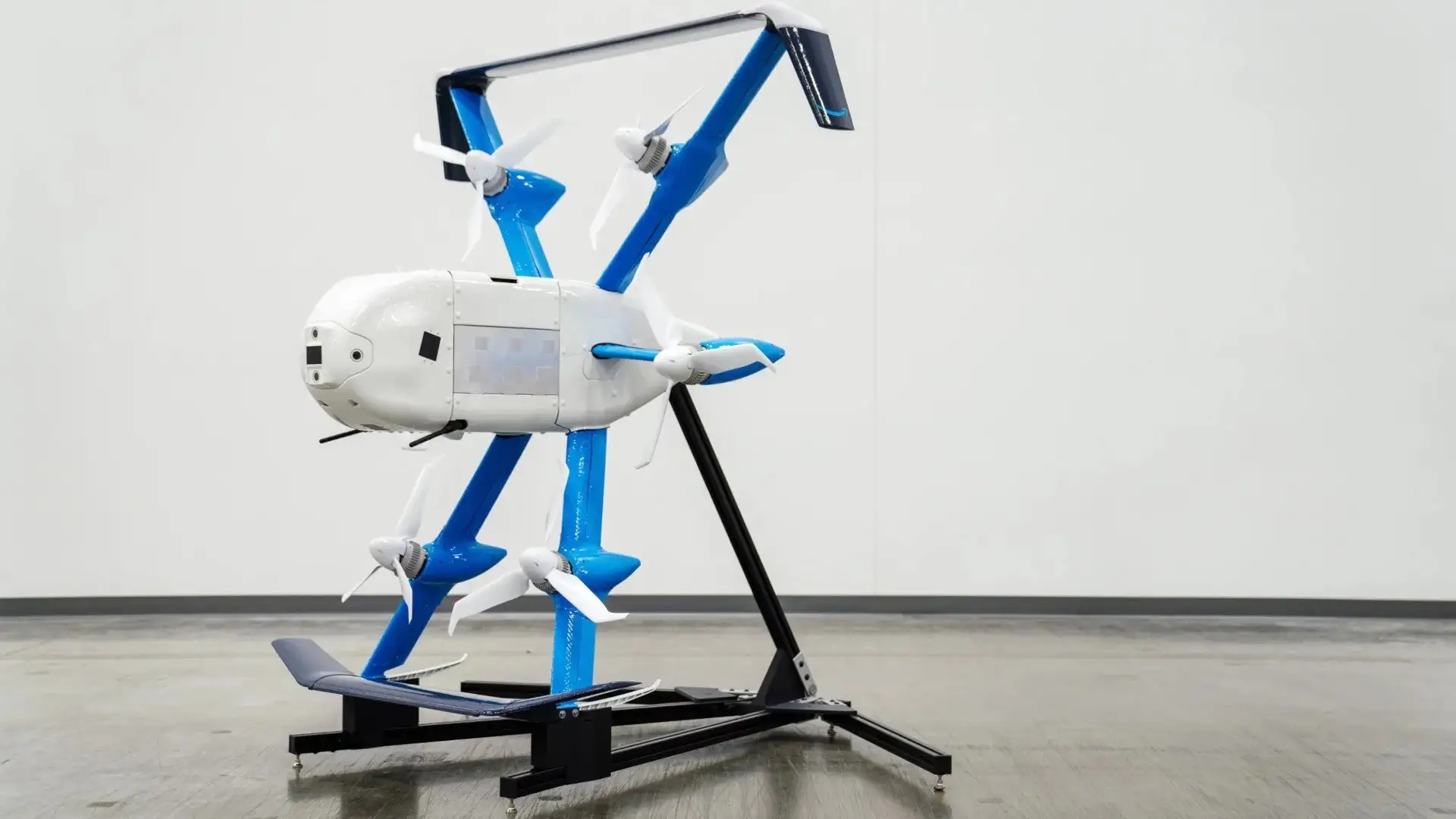
Amazon’s drone delivery division, Prime Air, has withdrawn from a prominent drone industry trade association, citing concerns about safety standards and regulatory approaches. The decision highlights growing tensions within the rapidly expanding drone delivery sector as companies and regulators debate how best to ensure safe integration of unmanned aerial systems into national airspace.
The company’s move signals that Amazon believes the group’s stance on certain operational rules may not sufficiently prioritize safety. Prime Air has been developing autonomous delivery drones designed to transport small packages directly to customers’ homes, making airspace safety a critical factor for the company’s long-term plans.
Disagreements Over Drone Safety Standards
According to reports, the disagreement revolves around how drones should operate beyond the visual line of sight (BVLOS) of operators and how they should interact with other aircraft. These capabilities are considered essential for scaling commercial drone deliveries across cities and suburban areas.
Amazon reportedly felt that some proposals supported by the trade group could weaken strict safety requirements for drone operations. By leaving the association, the company is signaling that it prefers a more cautious approach while the technology and regulations continue to evolve.
Prime Air’s Ambitious Delivery Vision
Amazon has spent years developing its Prime Air program, aiming to deliver packages within 30 minutes using autonomous drones. The service has already undergone pilot testing in select locations, including parts of the United States and Europe.
The drones are equipped with advanced navigation systems, obstacle-avoidance technology, and sensors designed to detect other aircraft or hazards. Amazon says these features are crucial for operating safely in complex environments where drones may share airspace with helicopters, planes, and other drones.
Industry Debate Intensifies
The drone delivery industry is expanding rapidly as logistics firms, retailers, and technology companies explore aerial delivery as a faster alternative to traditional shipping. However, disagreements persist over the pace at which regulations should evolve.
Some industry groups argue that faster regulatory approvals are necessary to unlock innovation and large-scale deployment. Others, including Amazon’s drone division in this case, appear to favor stronger safeguards before broad commercial expansion.
Regulatory Pressure and Safety Oversight
Aviation regulators in several countries, including the U.S. Federal Aviation Administration (FAA), have been working to establish clearer rules for commercial drone operations. Key issues include air traffic integration, collision avoidance systems, and real-time communication between drones and aviation authorities.
Amazon’s withdrawal may influence ongoing policy discussions by highlighting internal industry divisions over safety priorities and operational frameworks.
What This Means for the Future of Drone Delivery
Despite leaving the trade group, Amazon continues to invest heavily in its drone delivery ambitions. The company has repeatedly emphasized that long-term success depends on public trust, regulatory approval, and reliable safety systems.