 TECH TIMES NEWS
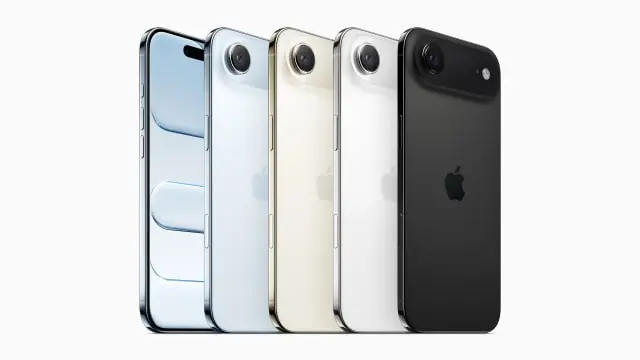
According to recent reports from industry insiders, Apple has postponed the launch of its next-generation iPhone Air, a slimmer and lighter version of the flagship iPhone. The device, originally set for debut in the first half of 2025, has now been delayed due to production and supply chain challenges.
Sources close to Apple’s manufacturing partners in Asia indicate that component shortages and design-related adjustments have impacted the production schedule. Apple is reportedly taking additional time to fine-tune the device’s structure and internal layout to maintain durability without compromising its ultra-thin form factor.
Focus Shifts to Design Perfection and New Technologies
The iPhone Air is expected to feature a refined, minimalist design, marking one of the most significant aesthetic shifts in Apple’s smartphone lineup since the iPhone X. It will reportedly incorporate next-generation OLED displays, a new A19 chipset, and advanced AI-driven capabilities for camera and performance optimization.
Apple engineers are said to be emphasizing battery efficiency and thermal management, both of which present challenges in creating a thinner device. The delay suggests Apple wants to ensure the iPhone Air meets the company’s signature performance and quality standards.
Possible Launch Window Moved to Late 2025 or 2026
While Apple has not officially confirmed the delay, reports suggest that the iPhone Air could now launch alongside the iPhone 17 lineup in late 2025 or early 2026. The company may use the extended timeline to integrate new software features expected in iOS 20, designed to leverage Apple Intelligence — the tech giant’s expanding suite of on-device AI tools.
Market analysts believe that Apple’s decision to push back the iPhone Air could also be strategic, allowing more time to differentiate the model from the standard iPhone and Pro versions.
Industry Analysts React to Apple’s Strategic Shift
Analysts view this delay as a cautious but calculated move by Apple amid increasing competition from Samsung, Google, and Chinese smartphone brands that are rapidly innovating in design and AI. By taking additional time, Apple may be aiming to position the iPhone Air as a long-term premium staple, rather than a one-off experimental model.
As Apple continues refining its manufacturing processes, the iPhone Air remains one of the most anticipated devices in the company’s roadmap, expected to redefine what a lightweight flagship can achieve.