 TECH TIMES NEWS
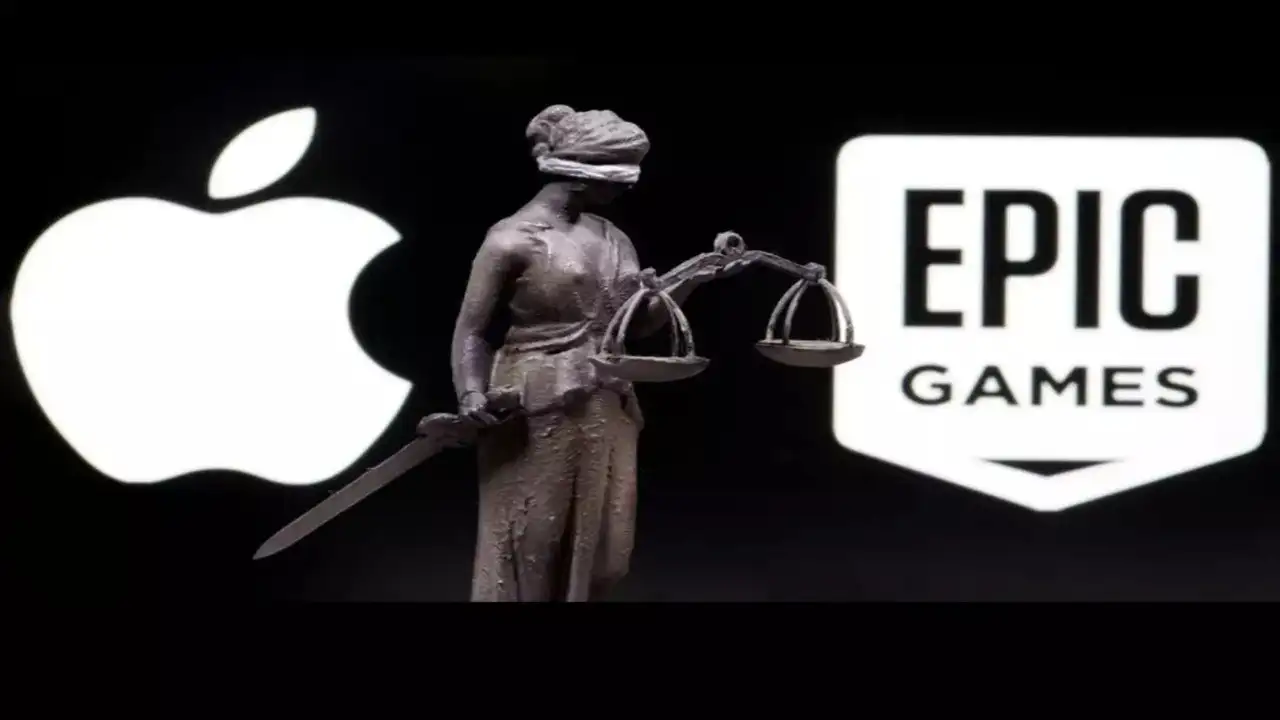
Apple has announced its intention to appeal a recent contempt ruling in the ongoing legal battle with Epic Games over the App Store’s policies. The ruling, issued last week by a federal court in California, accuses Apple of failing to fully comply with a previous court order related to the App Store’s business practices. This marks the latest development in a high-profile legal fight that has raised significant questions about the power of tech giants in controlling digital marketplaces.
The Contempt Ruling: What Apple Is Being Accused Of
In its ruling, the court determined that Apple had not properly implemented the measures required by a previous injunction issued in 2023. The injunction stemmed from a lawsuit filed by Epic Games, the developer behind popular games like Fortnite, which accused Apple of anti-competitive practices related to its App Store policies.
The core issue in the case revolves around Apple’s 30% commission on in-app purchases made through the App Store and its strict rules against allowing third-party payment systems. Epic Games argued that these practices stifled competition and harmed consumers by forcing them to use Apple’s payment system, thereby inflating prices.
In 2023, the court ruled in favor of Epic Games to some extent, ordering Apple to allow developers to link to external payment systems, a move that could have reduced the company’s dominance over app transactions. However, the court also upheld Apple’s right to maintain control over the App Store, which Epic Games argued was a significant compromise.
The recent contempt ruling stems from allegations that Apple did not fully implement the court’s order, particularly when it came to giving developers the ability to direct users to alternative payment methods. The court found that Apple’s actions were inconsistent with the spirit of the 2023 ruling, prompting the contempt charge.
Apple’s Response: An Appeal Is Coming
Apple has stated that it strongly disagrees with the contempt ruling and plans to appeal the decision. In a statement released shortly after the ruling, the company maintained that it had made "good faith" efforts to comply with the court’s orders and argued that its policies are in line with its obligations to provide a secure and trustworthy environment for users.
“We believe the court’s ruling is incorrect and that we have taken the necessary steps to comply with the previous injunction,” Apple’s legal team said. “We will appeal this decision and continue to vigorously defend our practices, which we believe are consistent with antitrust laws and the safety of our users.”
Apple’s appeal will focus on challenging the court’s interpretation of its compliance with the 2023 order, arguing that the company has implemented sufficient measures to allow developers greater flexibility while maintaining the integrity of the App Store ecosystem.
Epic Games’ Reaction: A Step Toward Change
Epic Games, for its part, has hailed the contempt ruling as a victory in its ongoing fight to reform the App Store’s business practices. Tim Sweeney, the CEO of Epic Games, issued a statement expressing his satisfaction with the court’s decision, stating that the ruling highlights the need for Apple to adhere to its promises to developers and consumers.
“This ruling is another step toward a fairer digital marketplace,” Sweeney said. “Apple has repeatedly sought to undermine the court’s previous rulings, but we are committed to ensuring that competition is restored in the App Store, and that consumers and developers alike have access to fairer options.”
Epic Games has been vocal in its criticism of Apple’s App Store policies, calling for more transparency and reduced fees on in-app purchases. The company argues that the current system unfairly benefits Apple, which takes a substantial cut from every transaction made through its platform.
Broader Implications for the Tech Industry
The ongoing battle between Apple and Epic Games has far-reaching implications for the entire tech industry, particularly for app stores and digital marketplaces. Apple’s App Store has long been one of the most lucrative platforms in the world, generating billions of dollars annually. However, its tight control over app distribution and payment systems has led to growing scrutiny from regulators, developers, and competitors alike.
In addition to the legal battles with Epic Games, Apple has faced increasing pressure from antitrust regulators in the U.S. and Europe to revise its app store policies. The European Union has already levied fines against the company for antitrust violations related to the App Store, and Apple is currently appealing those rulings as well.
The outcome of the ongoing litigation with Epic Games could set a significant precedent for how app stores are regulated in the future, particularly concerning the fees charged to developers and the level of control that companies like Apple have over digital platforms. If the court ultimately sides with Epic Games, it could lead to changes in the way app stores operate, both in terms of commission fees and the ability of developers to explore alternative payment systems.
A Long Road Ahead
As Apple prepares to appeal the contempt ruling, the case is expected to continue to make its way through the legal system for several months, if not years. The ongoing legal proceedings will likely impact not only the future of the App Store but also how regulators approach the question of whether dominant tech platforms like Apple have too much power over their respective digital ecosystems.
For now, Apple’s appeal will add another layer of complexity to an already contentious battle, and it remains to be seen how the courts will ultimately decide whether Apple’s App Store practices violate antitrust laws. With both sides showing no signs of backing down, the saga of Apple vs. Epic Games is far from over.