 TECH TIMES NEWS
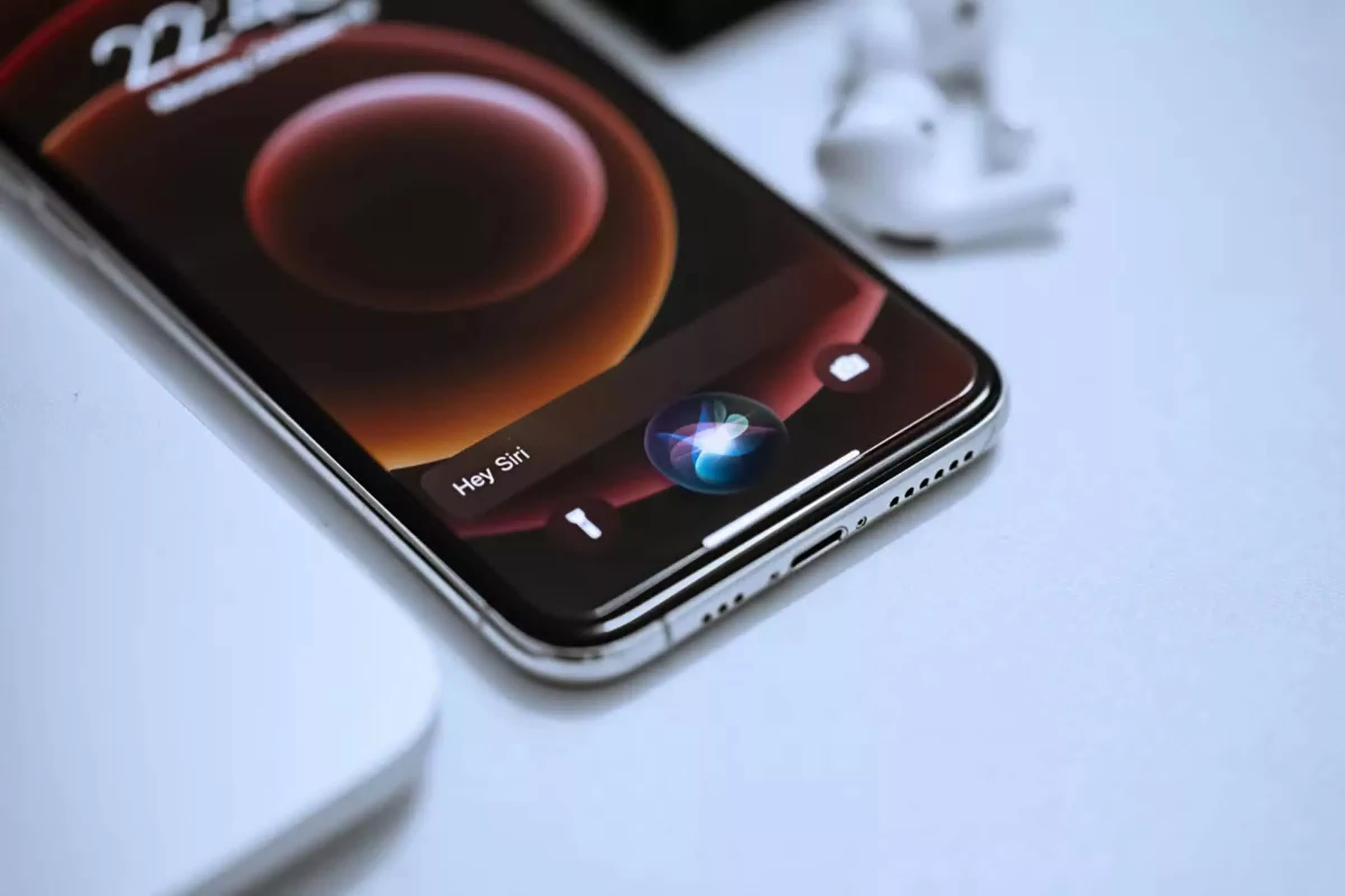
When Apple introduced its next-generation Siri vision alongside “Apple Intelligence,” the company positioned it as one of the most significant upgrades in the assistant’s history. During its WWDC presentations and marketing campaigns, Apple promised a Siri experience that would be deeply personal, context-aware, and capable of understanding natural conversations across apps, messages, calendars, emails, and device activity.
The vision was ambitious. Siri would no longer act like a basic voice command tool. Instead, Apple presented it as an AI assistant designed to understand user intent, summarize information, execute multi-step actions, and interact more naturally inside the Apple ecosystem.
For consumers and investors, the announcement signaled that Apple was finally entering the generative AI race dominated by OpenAI, Google, Microsoft, and Anthropic.
But months after the reveal, many of those headline features remain delayed, unavailable, or only partially functional — and the fallout is now becoming increasingly visible.
Siri’s Delayed AI Features Become a Growing Problem
Key Capabilities Promised by Apple Are Still Missing
Several advanced Siri capabilities showcased by Apple have not yet reached users at scale. Among the most anticipated features were:
- Context-aware interactions across apps
- Personalized responses using on-device data
- Smarter conversational memory
- Ability to perform complex in-app actions
- Deeper integration with emails, schedules, and documents
- Improved natural language understanding
Apple initially suggested that many of these capabilities would arrive gradually through software updates tied to iOS 18 and Apple Intelligence.
However, the rollout has been slower than expected.
While Apple has launched select AI features such as writing tools, notification summaries, image generation tools, and ChatGPT integration in limited regions and devices, the transformative Siri experience shown during demonstrations remains incomplete.
That gap between marketing and delivery has fueled criticism from analysts, users, and even some developers within Apple’s ecosystem.
Legal and Regulatory Attention Adds Pressure
Consumer Expectations May Have Outpaced Product Reality
The controversy surrounding Siri’s delayed AI evolution is not limited to online criticism. Reports indicate Apple has faced growing legal and regulatory scrutiny over how it marketed Apple Intelligence capabilities before broad availability.
The issue reflects a wider trend across the AI industry, where technology companies aggressively showcase future-ready AI products long before they become stable consumer experiences.
In Apple’s case, the company’s reputation for polished product launches has made the situation more damaging. Unlike rivals that openly release experimental AI tools, Apple historically built its brand around reliability, readiness, and controlled ecosystem experiences.
Industry observers argue that consumers interpreted Apple’s presentations as near-term functionality rather than long-term roadmap demonstrations.
That distinction is now becoming central to criticism aimed at the company.
Apple Is Under Pressure in the Global AI Race
Rivals Have Moved Faster With Generative AI Integration
Apple’s Siri challenges are unfolding during one of the most competitive periods in modern consumer technology.
Over the last two years:
- OpenAI transformed mainstream AI adoption with ChatGPT
- Google integrated Gemini across Android and Workspace products
- Microsoft embedded Copilot deeply into Windows and Office
- Samsung aggressively marketed Galaxy AI features
- Anthropic expanded enterprise AI capabilities rapidly
Compared to these competitors, Apple has appeared unusually cautious.
The company continues emphasizing privacy-focused AI, on-device processing, and tightly controlled deployment standards. While these priorities align with Apple’s long-term brand strategy, they have also slowed product rollout timelines.
Some analysts believe Apple underestimated how quickly consumer expectations around AI assistants would evolve after ChatGPT’s explosive growth.
Siri, once considered one of the earliest mainstream voice assistants, now risks being viewed as technologically behind competitors that offer more advanced conversational abilities.
Internal Challenges May Be Slowing Siri’s Evolution
Apple’s AI Transition Is More Complex Than Expected
Technology analysts say Apple’s difficulties likely stem from deeper engineering and infrastructure challenges.
Unlike cloud-first AI companies, Apple must balance multiple priorities simultaneously:
- User privacy protections
- On-device AI processing
- Battery efficiency
- Hardware optimization
- Security standards
- Ecosystem compatibility across iPhone, iPad, and Mac
Building a generative AI assistant inside those constraints is significantly harder than deploying cloud-based chatbot systems.
Reports from industry insiders also suggest Apple has been restructuring parts of its AI and machine learning divisions to accelerate development efforts.
The company has increasingly relied on partnerships, including OpenAI integrations, to bridge gaps while improving its own foundation models.
Still, many experts believe Apple’s broader AI transformation may take several years rather than a single product cycle.
Consumer Trust Could Become the Biggest Risk
Apple’s Reputation Has Long Been Built on Execution
The biggest concern for Apple may not be delayed features alone — it may be perception.
Apple has historically differentiated itself by launching products that feel complete and consumer-ready. Even when competitors introduced technologies first, Apple often succeeded by refining and simplifying them before mass adoption.
The Siri situation challenges that reputation.
Consumers who upgraded devices expecting a dramatically smarter assistant may now feel the company overpromised relative to actual availability.
That matters because Apple’s ecosystem strategy depends heavily on user trust and long-term loyalty.
If customers begin viewing Apple as lagging behind in AI innovation, the impact could extend beyond Siri into future hardware sales, software adoption, and investor confidence.
WWDC 2026 Could Become a Defining Moment for Apple AI
Industry Will Closely Watch Apple’s Next Move
Attention is now shifting toward Apple’s upcoming developer events and software announcements, where the company is expected to provide clearer timelines for Siri’s future.
Analysts believe Apple faces three major priorities:
- Delivering stable AI features already announced
- Rebuilding confidence around Siri’s capabilities
- Demonstrating a long-term AI roadmap that can compete with rivals
Investors will also watch whether Apple can translate AI into stronger iPhone upgrade demand — something competitors are already attempting through AI-focused hardware marketing.
The company still possesses major advantages, including:
- More than 2 billion active devices globally
- Deep hardware-software integration
- Strong developer ecosystem
- Premium consumer trust
- Powerful custom silicon infrastructure
But in the AI era, execution speed matters more than ever.
For Apple, Siri’s delayed transformation has become more than a software issue. It is now a test of whether the company can maintain leadership during one of the technology industry’s fastest shifts in decades.
Conclusion
Apple’s promise of a dramatically smarter Siri generated excitement because it represented more than a virtual assistant upgrade — it symbolized Apple’s entry into the generative AI era. But delayed rollouts and missing capabilities have exposed the risks of announcing ambitious AI visions before products are fully ready.
As rivals accelerate innovation and consumer expectations continue rising, Apple now faces a critical challenge: proving it can deliver AI experiences that match both its marketing promises and its reputation for polished execution.
The next phase of Siri may determine not only Apple’s standing in AI, but also how consumers view the future of the iPhone ecosystem itself.