 TECH TIMES NEWS
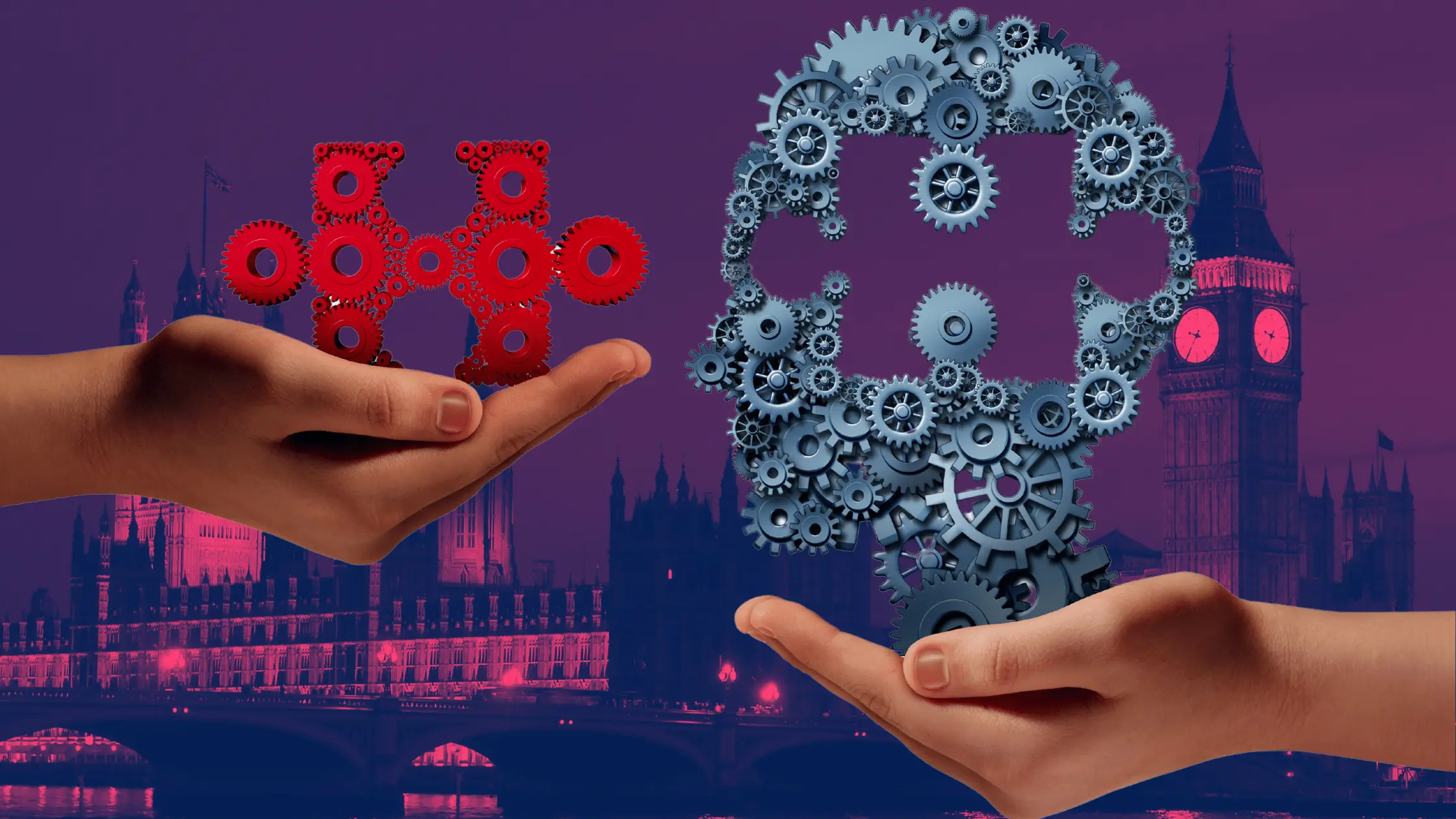
The British government is moving toward a major rethink of copyright rules as tensions intensify between artificial intelligence developers and creative industries. Officials say a “reset” is needed to modernise laws that were written long before generative AI systems could produce text, images, music, and video at scale.
Growing Tensions Between Tech Firms and Creators
AI companies argue that access to large datasets, including copyrighted material, is essential for training advanced models. Creators, publishers, and artists counter that their work is being used without permission, compensation, or transparency. This clash has sparked lawsuits, protests, and calls for stricter regulation across the UK’s creative economy.
Government Signals Shift in Policy Approach
Ministers have acknowledged that previous proposals may have tilted too far toward tech companies, triggering backlash from authors, musicians, filmmakers, and news organisations. The new approach aims to balance innovation with fair reward, ensuring Britain remains competitive in AI while protecting its globally influential creative sector.
Focus on Licensing, Transparency, and Opt-Out Rights
Central to the reset discussion are clearer licensing frameworks, mandatory disclosure of training data sources, and stronger opt-out mechanisms for rights holders. Policymakers are exploring whether AI firms should be required to negotiate licences or pay royalties when using copyrighted content.
Creative Industries Warn of Economic Impact
Britain’s creative industries contribute billions to the economy and employ millions of people. Industry leaders warn that unchecked AI use could undermine livelihoods, reduce incentives to create original work, and weaken the UK’s cultural exports if safeguards are not enforced.
Tech Sector Urges Regulatory Certainty
AI developers, meanwhile, caution that overly restrictive rules could drive innovation and investment overseas. They are calling for clear, predictable regulations that allow responsible AI development while avoiding legal uncertainty that could slow research and deployment.
A Defining Moment for UK AI Policy
The proposed reset signals a critical moment for Britain’s digital future. How the government resolves the copyright standoff could shape not only domestic innovation but also influence global standards as countries worldwide grapple with the legal implications of generative AI.