 TECH TIMES NEWS
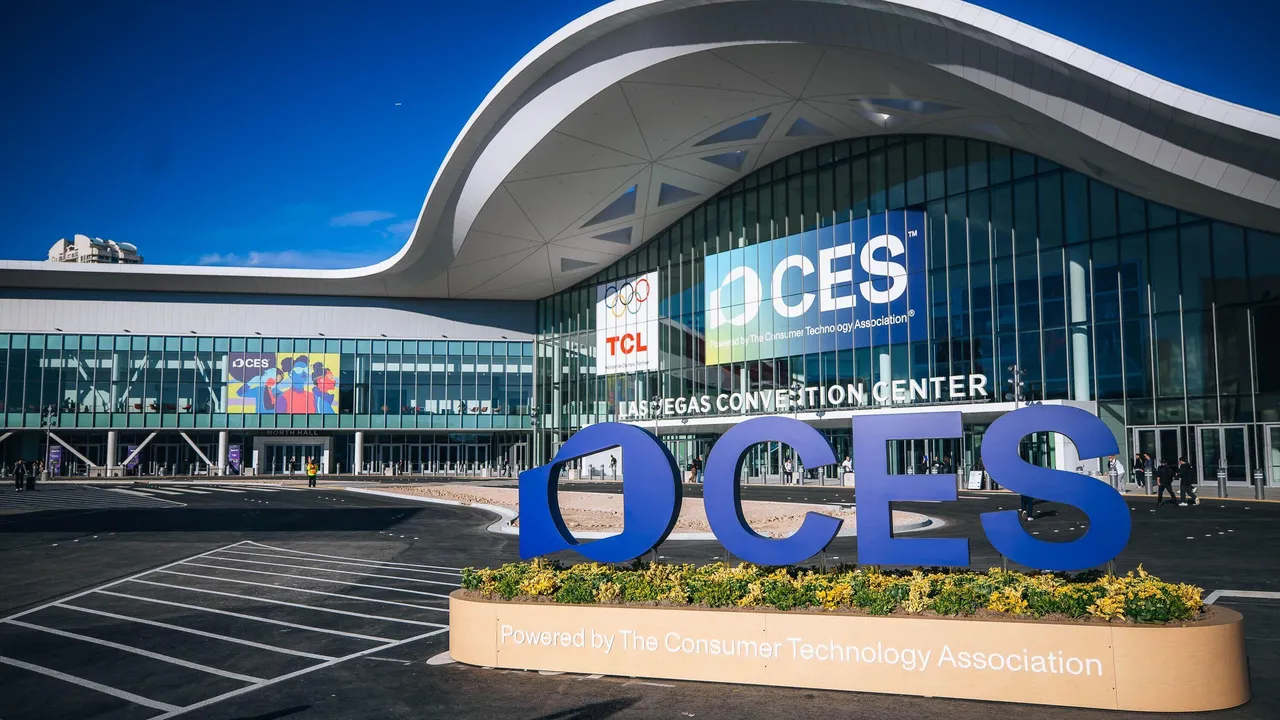
Artificial intelligence-powered pendants staged a surprising comeback at CES 2026, reclaiming attention after a rocky debut in earlier years. Once criticized for privacy concerns, limited usefulness, and inconsistent performance, these compact AI wearables are now being reintroduced with refined hardware, smarter on-device processing, and clearer real-world applications.
Major exhibitors showcased AI pendants designed to function as personal assistants, productivity companions, and accessibility tools—marking a noticeable shift from novelty gadgets to practical everyday devices.
What Went Wrong the First Time
Early AI pendants struggled to gain consumer trust due to always-on microphones, cloud-dependent processing, short battery life, and unclear value propositions. High-profile failures and lukewarm reviews at past CES events led many to believe the category was headed for extinction.
Privacy advocates also raised red flags, arguing that wearable AI devices collecting ambient data posed serious ethical and legal challenges.
Smarter, Safer, and More Useful Designs
At CES 2026, companies emphasized edge AI processing, allowing most tasks to run locally on the device rather than relying heavily on the cloud. This approach significantly improves privacy while reducing latency and power consumption.
New models feature physical mute switches, visible recording indicators, encrypted data storage, and user-controlled data retention settings—addressing many of the earlier criticisms head-on.
Use Cases Beyond Voice Assistants
Unlike their predecessors, modern AI pendants are no longer marketed solely as voice assistants. Demonstrations highlighted real-time language translation, meeting summarization, health reminders, navigation cues, and accessibility support for users with hearing or cognitive challenges.
Several startups positioned their pendants as screen-free AI companions, targeting professionals seeking hands-free productivity and users looking to reduce smartphone dependence.
Industry Confidence Signals a Second Chance
Industry analysts attending CES 2026 noted stronger partnerships with AI model providers, improved chip efficiency, and clearer regulatory awareness as signs the category may finally be ready for mass adoption.
While consumer skepticism remains, the renewed focus on transparency, utility, and user control suggests AI pendants could avoid repeating past mistakes.
The Road Ahead for AI Wearables
Whether AI pendants become mainstream or remain niche will depend on pricing, ecosystem integration, and long-term trust. However, their presence at CES 2026 indicates that manufacturers believe the technology—and the market—has matured enough to justify a second attempt.