 TECH TIMES NEWS
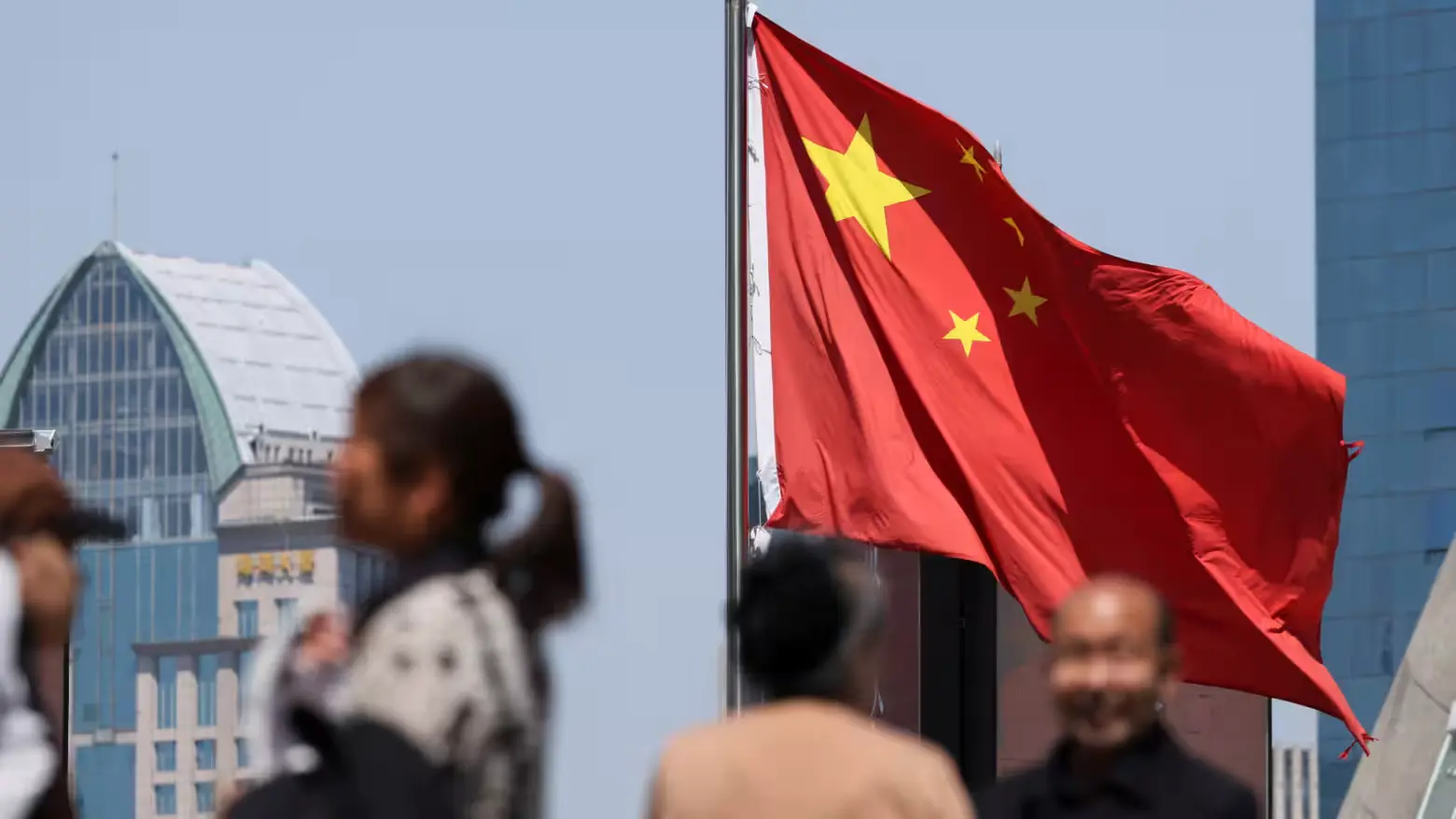
China has unveiled a new visa policy designed to attract top-tier global tech professionals, signaling a renewed effort to position itself as a global hub for innovation and technological advancement. The initiative comes amid intensifying competition with the United States and other major economies for artificial intelligence (AI), semiconductor, and biotech talent.
Introducing the 'Talent Visa' for High-Skilled Professionals
The new visa—reportedly known as the ‘R Visa’ (or Talent Visa)—will grant longer stays, faster approvals, and more flexible entry requirements for foreign scientists, engineers, researchers, and tech entrepreneurs. Applicants working in sectors deemed strategically important, including AI, quantum computing, aerospace, and renewable energy, will be prioritized.
Simplified Pathways and Extended Validity
Unlike traditional Chinese work visas, the Talent Visa allows multiple entries and long-term residence for up to 10 years. It also includes provisions for family members and easier renewal processes. Officials say the move is part of China’s strategy to make its innovation ecosystem more accessible to foreign professionals.
Competing Directly With U.S. and Western Policies
This development mirrors the United States’ recent efforts to retain foreign STEM graduates through extended OPT (Optional Practical Training) programs and expanded H-1B visa categories. By introducing this visa, China aims to counter the “brain drain” effect and attract top minds who might otherwise choose Silicon Valley or Europe. Analysts note that Beijing is increasingly using immigration incentives to bolster its domestic tech self-reliance goals.
Boosting China’s Technological Independence
As U.S.-China tensions persist over chip exports and intellectual property, China’s latest visa reform reflects a broader ambition: to become self-sufficient in advanced technologies. By making it easier for international experts to contribute to its ecosystem, China hopes to accelerate breakthroughs in AI, 6G, robotics, and green energy innovation.
Global Response and Industry Reactions
Tech leaders and innovation hubs across Asia and Europe have taken notice of China’s move. Some experts believe it could shift the global talent balance, especially as Western visa restrictions tighten. Multinational corporations operating in China are also expected to benefit from smoother onboarding of foreign specialists.
A Soft Power Play Through Science and Innovation
Beyond economics, the new visa also serves as a soft power tool. By fostering international collaboration, China aims to project itself as an open and inclusive destination for science and technology, countering narratives of isolation amid geopolitical tensions.