 TECH TIMES NEWS
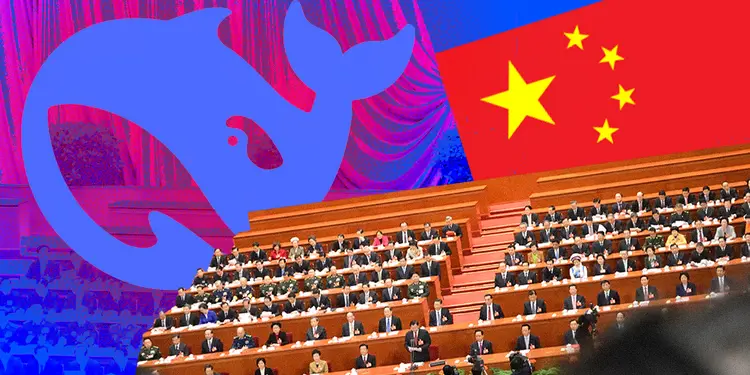
China’s DeepSeek artificial intelligence system, initially hailed for its advancements in language and decision-making capabilities, is now drawing global concern over its potential military use. Analysts warn that Beijing could harness DeepSeek’s processing power to control autonomous weapon systems, including AI-powered drone swarms and robotic dogs, ushering in a new era of high-tech warfare.
AI Meets the Battlefield: From Surveillance to Combat Autonomy
Experts believe DeepSeek’s large-scale machine learning architecture can process battlefield data in real time, granting Chinese forces superior situational awareness. When combined with autonomous robotic units — like quadruped “robot dogs” armed with rifles or explosives — and drone fleets capable of self-coordinated attacks, the system could redefine modern military strategy.
DeepSeek’s AI-driven command algorithms could allow thousands of drones to communicate seamlessly, adapting mid-mission without human oversight — a capability rival nations currently struggle to match.
Military–AI Fusion Strategy: China’s Push for Technological Superiority
China’s long-standing “military–civil fusion” policy encourages joint development between commercial tech firms and defense institutions. DeepSeek, though publicly presented as a civilian AI project, fits squarely within this doctrine. Reports indicate that the Chinese military has already begun experimenting with AI command systems to enhance reconnaissance, logistics, and autonomous decision-making.
Beijing’s strategy aims to use AI not only for offense but also for predictive defense — identifying enemy movement, analyzing terrain, and automating response systems faster than human commanders.
Robot Dogs: China’s New Battlefield Soldiers
Recent footage from Chinese military drills shows robotic dogs equipped with mounted rifles, climbing stairs and scanning targets with AI vision. These machines, powered by deep-learning models similar to DeepSeek’s neural architecture, can operate in hostile environments, relay real-time video, and engage in urban combat. Their agility and adaptability could make them critical in close-quarters warfare or reconnaissance missions.
AI Drone Swarms: The Future of Air Dominance
China’s AI-powered drone swarms are another area of rapid advancement. Reports suggest the People’s Liberation Army (PLA) has tested hundreds of synchronized drones capable of autonomous flight patterns and adaptive targeting. DeepSeek’s large-scale decision-making network could significantly improve their coordination — enabling swarm intelligence capable of overwhelming enemy defenses through speed, unpredictability, and sheer numbers.
Global Security Implications and Ethical Concerns
Military analysts warn that integrating DeepSeek into autonomous weapons could trigger a new AI arms race. The U.S., Japan, and NATO allies are closely monitoring China’s progress, fearing that such systems could operate without human intervention — violating international humanitarian laws. Experts also stress the risk of unintended escalations, should AI systems misinterpret commands or data during live combat.
The push toward AI-driven warfare raises moral and strategic dilemmas that the international community has yet to address comprehensively.
Conclusion: The Dawn of Algorithmic Warfare
As DeepSeek continues to evolve, its potential military integration highlights the thin line between technological progress and geopolitical instability. China’s advancements in robotic and autonomous warfare could transform the global defense landscape, setting a precedent for how nations approach the next phase of digital-age conflict.