 TECH TIMES NEWS
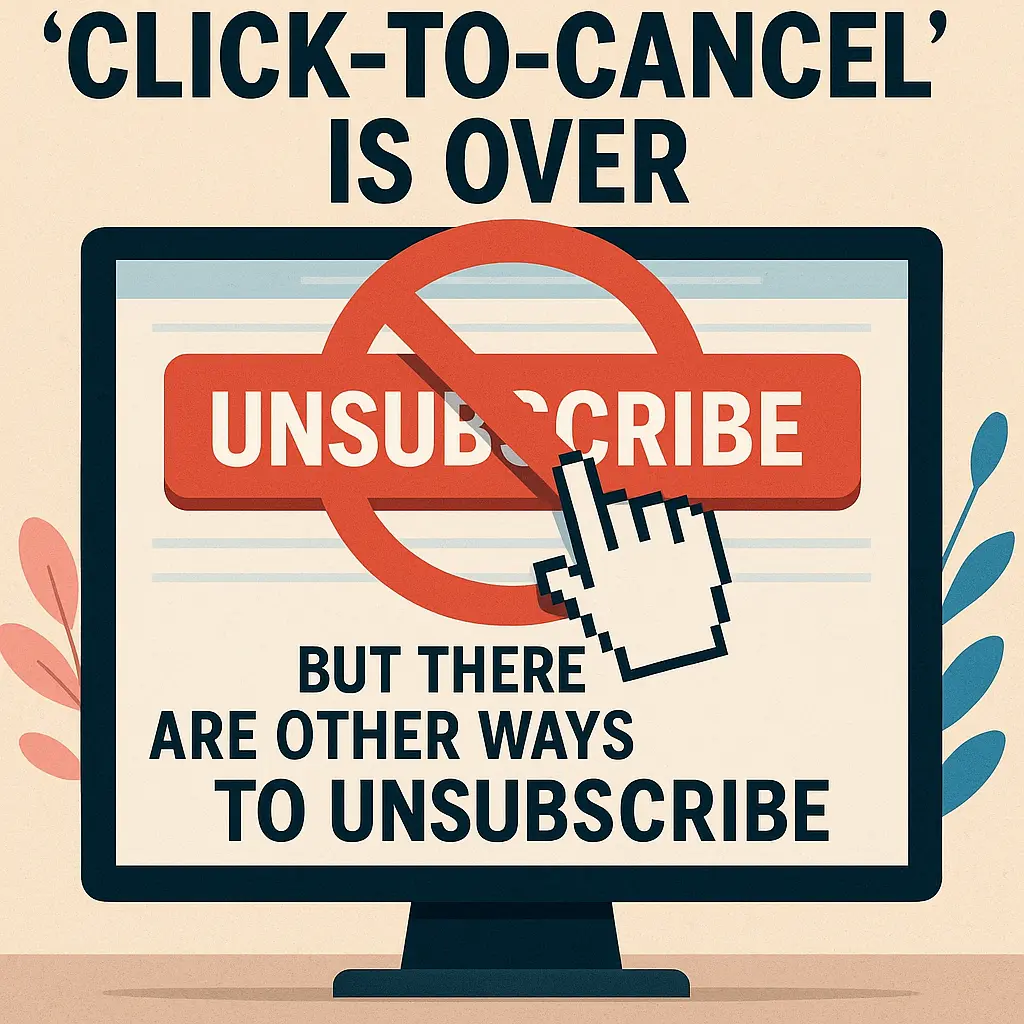
The U.S. Federal Trade Commission's (FTC) once-anticipated "click-to-cancel" rule, which would have required businesses to make it as easy to cancel a subscription as it is to sign up, has quietly faded from the regulatory agenda. Originally proposed as a response to widespread consumer complaints about deceptive or overly complicated cancellation processes, the rule was expected to offer relief to millions of users trapped in auto-renewing subscriptions.
However, with the FTC shifting its focus and facing pushback from businesses and lobbyists, the rule appears stalled indefinitely—leaving users to navigate an often frustrating landscape of unsubscribe options.
A Surge in Subscription Frustration
As subscription-based services continue to dominate—from streaming platforms and news media to fitness apps and meal kits—many users find themselves locked into recurring charges they no longer want. Without a standardized cancellation rule, businesses can legally direct users through convoluted phone calls, long email threads, or buried web menus to cancel subscriptions.
A 2023 survey by Consumer Reports revealed that over 60% of respondents had difficulty canceling a subscription in the previous year, with many expressing frustration over vague instructions and lack of clear exit options.
Alternative Ways to Unsubscribe Still Exist
Despite the regulatory setback, consumers aren't without recourse. Some states, like California and New York, have passed their own laws mandating clearer unsubscribe processes, especially for online services. Additionally, major platforms such as Apple and Google have introduced centralized subscription hubs within their ecosystems, allowing users to manage or cancel third-party app subscriptions directly.
Email providers are also stepping in. Gmail, for instance, automatically surfaces "Unsubscribe" links at the top of marketing emails, streamlining the opt-out process for many users.
Consumer Advocacy Groups Step In
In response to the FTC’s regulatory pause, advocacy groups like Public Citizen and the Electronic Frontier Foundation (EFF) have launched awareness campaigns and toolkits to help users understand their rights and demand easier unsubscribe paths. These organizations are also urging lawmakers to revisit federal protections against so-called "subscription traps."
Meanwhile, watchdogs continue to document cases where companies bury cancellation options or require time-consuming efforts, urging users to report such instances directly to the FTC and state attorneys general.
Businesses Walk a Tightrope Between Retention and Regulation
While some companies argue that complex unsubscribe flows help retain users and reduce churn, consumer trust remains at stake. Transparency in cancellation policies is becoming a brand differentiator. Businesses like Netflix and Spotify now offer one-click cancellation and automated reminders before renewals, setting examples for industry best practices.
Digital experience analysts predict that pressure from tech-savvy users and growing scrutiny may eventually push more firms to simplify the process voluntarily—even without federal mandates.
Conclusion: Stay Alert, Stay Informed
Though the FTC’s click-to-cancel rule may be off the table for now, consumers still hold power through awareness and advocacy. Utilizing available tools, understanding individual platform policies, and reporting unfair practices can collectively push for a more transparent digital marketplace.