 TECH TIMES NEWS
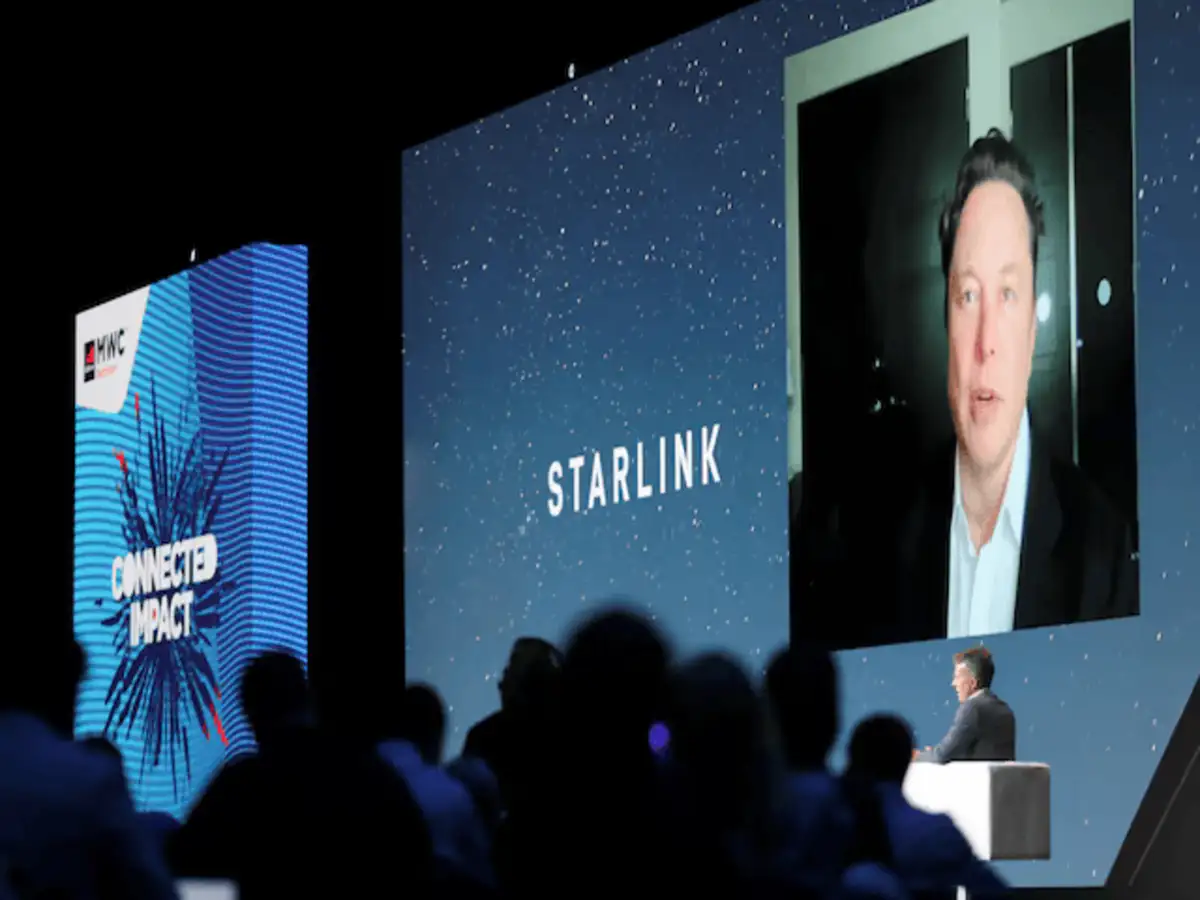
In a notable policy shift, the Republic of the Congo has officially granted operating rights to Starlink, the satellite internet division of Elon Musk’s SpaceX, just months after initially blocking the company’s services in the country.
The decision, announced by Congo’s Ministry of Posts, Telecommunications and Digital Economy on Friday, marks a reversal of a February 2024 ban that prohibited the use of Starlink’s equipment and network. At the time, the government cited concerns over unlicensed operations and potential regulatory breaches. Authorities had confiscated Starlink terminals and warned users against unauthorized access to satellite internet.
However, the landscape has changed significantly following months of negotiations between SpaceX representatives and Congolese officials. The newly granted licence allows Starlink to legally provide high-speed satellite internet throughout the country, including in remote and underserved areas where conventional infrastructure has long struggled to reach.
Minister of Telecommunications Léon Juste Ibombo addressed the media at a press conference in Brazzaville, stating:
"The Republic of the Congo is committed to digital transformation and inclusion. Granting Starlink a licence aligns with our national digital strategy and the goal of universal internet access."
He emphasized that the government had reached an agreement that ensures Starlink will operate under Congolese laws and cooperate with national security protocols, telecommunications taxes, and consumer protection regulations.
The development is being hailed as a significant step forward for internet access in the Central African nation. According to the International Telecommunication Union (ITU), only about 26% of Congo’s population had access to the internet as of 2023. Rural communities, in particular, have long been disconnected due to the high costs and logistical challenges of terrestrial networks.
With Starlink's low-earth orbit satellite constellation, which now includes over 5,000 satellites globally, users can access broadband-quality internet with just a small terminal, regardless of location. This has proven especially impactful in regions affected by conflict, geography, or underinvestment.
Analysts note that Congo’s decision also reflects a broader trend in Africa, where Starlink is rapidly expanding. The service is already active in Nigeria, Rwanda, Kenya, and several other countries, often disrupting traditional telecom monopolies with competitive pricing and broader coverage.
In a statement shared on its website, SpaceX welcomed the decision, saying:
"We are proud to work with the Congolese government to bring Starlink’s high-speed internet to the people of Congo. This collaboration is a step toward connecting those who have been left behind in the digital age."
Meanwhile, local telecom providers have expressed concern over potential market disruption. Industry insiders are urging regulators to ensure a level playing field, especially on pricing, tax obligations, and service quality standards.
The first licensed Starlink kits are expected to be available to consumers in Congo by mid-2025, with priority given to schools, hospitals, and rural development programs. The government has also hinted at partnerships for integrating Starlink’s service into public infrastructure and emergency services.
As Congo joins the growing list of African nations embracing satellite internet, the move underscores the balancing act between innovation, regulation, and sovereignty in a rapidly evolving digital world.