 TECH TIMES NEWS
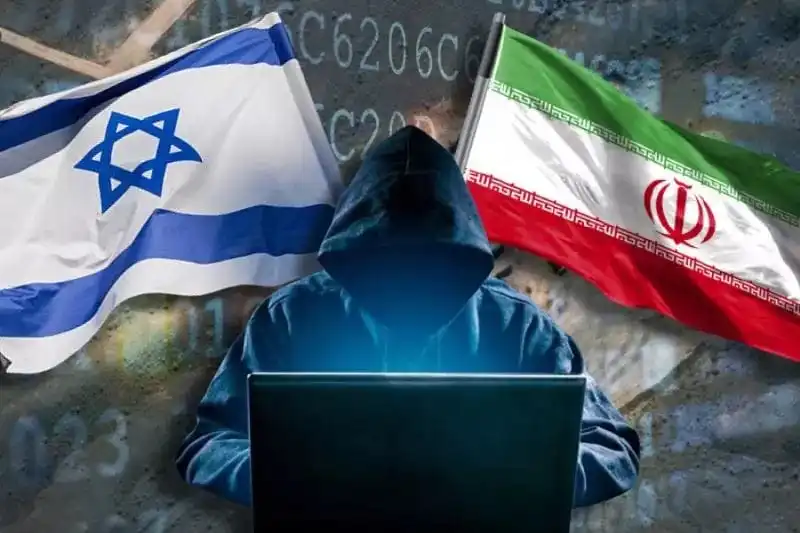
A surge of cyberattacks has reportedly targeted several Iranian mobile applications and government-linked websites in the aftermath of recent US-Israeli military strikes in the region. Cybersecurity analysts say the digital offensives appear to be politically motivated, unfolding within hours of heightened geopolitical tensions.
Multiple Iranian online platforms experienced outages, slowdowns, and defacement attempts, with some services temporarily taken offline. Experts suggest the incidents are part of a broader pattern in which cyber warfare increasingly accompanies traditional military actions.
Government and Commercial Platforms Disrupted
According to cybersecurity monitoring groups, a range of targets were affected, including municipal service portals, financial service apps, and state-affiliated news platforms. Some users reported difficulties accessing banking applications and public utility websites.
Preliminary technical assessments indicate that distributed denial-of-service (DDoS) attacks were among the primary tactics used, overwhelming servers with high volumes of traffic. In certain cases, hackers replaced homepage content with politically charged messages referencing the recent strikes.
Hacktivist Groups Claim Responsibility
Several hacktivist groups have claimed responsibility via social media channels and encrypted messaging platforms. While attribution in cyber incidents remains complex, some of the groups appear to have previously aligned themselves with pro-Israel or anti-Iran causes.
Cybersecurity researchers caution that such claims should be treated carefully, as false flag operations and opportunistic actors often exploit geopolitical crises to amplify their visibility.
Iranian Authorities Respond
Iranian officials acknowledged disruptions to some digital services but stated that technical teams were working to restore stability. Authorities also indicated that investigations are underway to identify the origin of the attacks and strengthen defensive measures.
Iran has long invested in domestic cyber capabilities, both offensive and defensive, and analysts expect potential retaliatory digital actions in response to the latest wave of attacks.
Rising Role of Cyber Warfare in Modern Conflict
Security experts note that cyberattacks are increasingly used as tools of signaling, retaliation, and psychological warfare. Unlike conventional military operations, digital attacks can be launched remotely, often with limited immediate physical risk to perpetrators.
The current situation highlights how geopolitical flashpoints are no longer confined to physical battlefields. Instead, digital infrastructure—including banking systems, communication platforms, and public services—has become a parallel arena for conflict.
Regional and Global Implications
The latest developments raise concerns about spillover effects, particularly if cyber operations begin targeting critical infrastructure beyond national borders. International cybersecurity agencies are reportedly monitoring the situation closely.
As tensions remain high, analysts warn that the intersection of cyber warfare and military escalation could create unpredictable ripple effects across financial markets, energy systems, and global communications networks.