 TECH TIMES NEWS
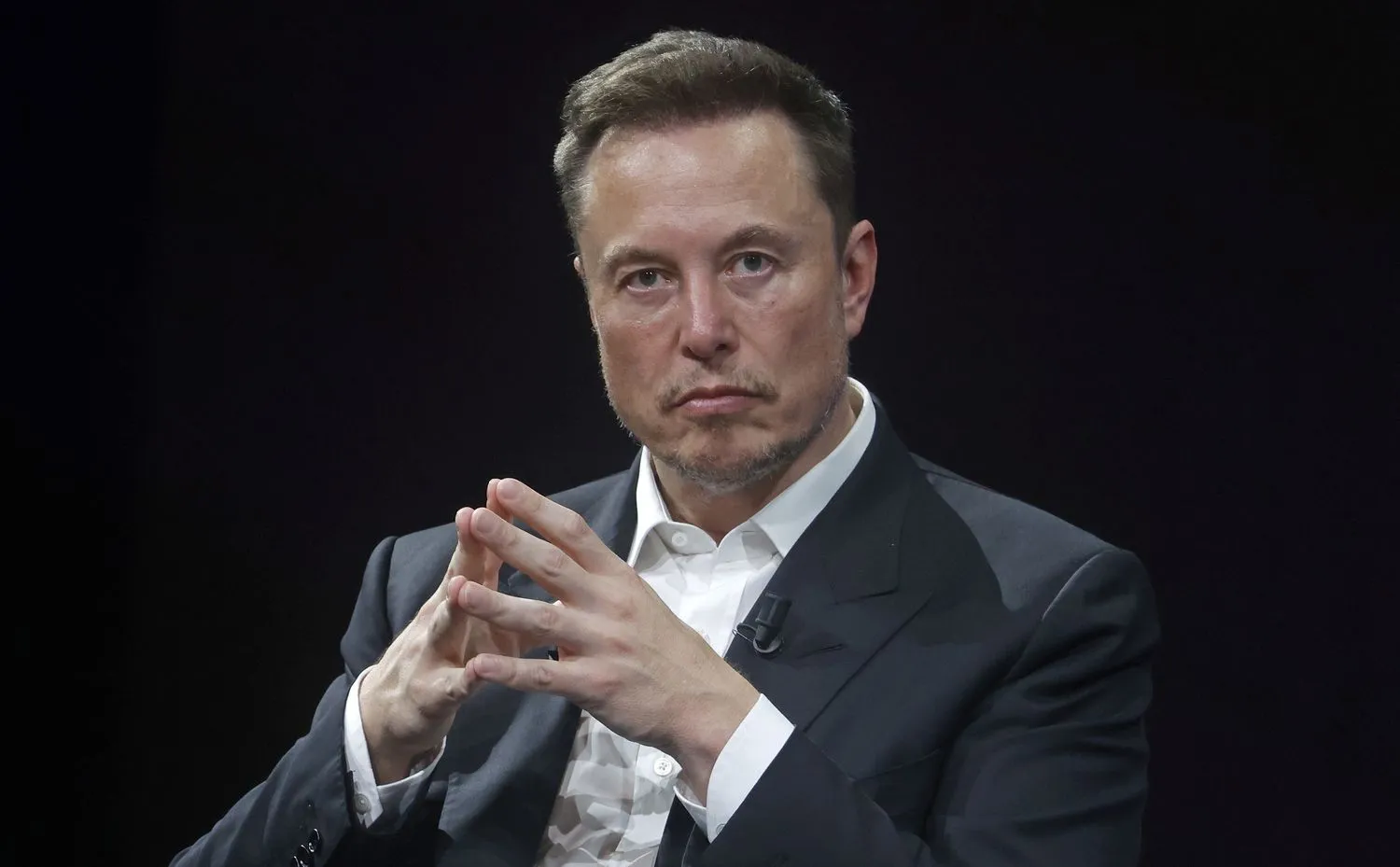
Elon Musk has confirmed that he will proceed with his lawsuit against OpenAI, despite the company’s recent shift to a nonprofit control model. The billionaire entrepreneur, who was one of OpenAI’s co-founders, has expressed his dissatisfaction with the organization’s leadership and governance, even after the nonprofit transition. Musk’s legal team issued a statement this morning reiterating their intention to pursue the case, which has sparked fresh controversy over the control and future of artificial intelligence development.
Musk’s Legal Battle with OpenAI
The lawsuit, filed in 2024, centers around Musk's allegations that OpenAI’s leadership, particularly after its transition from a nonprofit to a hybrid for-profit model, has not upheld the original vision of creating artificial intelligence for the public good. Musk, who was a key early supporter of OpenAI, argues that the company has deviated from its mission and is instead focusing on commercial gains, with AI development becoming increasingly driven by profit motives.
OpenAI’s shift to a nonprofit control model in recent months was seen as an attempt to reassure the public and address growing concerns over the commercialization of artificial intelligence. The company’s leadership, spearheaded by CEO Sam Altman, announced that it would prioritize long-term societal benefits over profit, ensuring that AI technologies were developed responsibly.
However, Musk’s legal team insists that these changes are insufficient and fail to address the core issues of governance and transparency. According to Musk's lawyer, the shift to nonprofit control does not “undo the years of mismanagement and deviation from the original mission,” and that the lawsuit will continue in pursuit of a complete overhaul of OpenAI’s leadership structure and future direction.
The Nonprofit Transition: A Response to Criticism
The recent announcement from OpenAI regarding its shift to nonprofit control was hailed by some as a positive step toward aligning the company’s goals with societal benefits, especially after concerns about the influence of large investors and corporate interests. OpenAI’s commitment to becoming a more transparent and public-focused organization was seen as a response to the growing backlash against the commercialization of AI, particularly as the technology became more integrated into consumer products and services.
Despite the positive reception from certain quarters, Musk has remained unsatisfied with the steps taken by OpenAI. In a statement released by his legal team, Musk’s lawyer argued that the organization’s actions were too little, too late. “While the public may view the nonprofit control structure as a positive step, the fact remains that the damage has been done, and OpenAI’s leadership has repeatedly failed to adhere to its original principles,” the statement reads.
Musk’s criticisms focus primarily on the increasing concentration of power within OpenAI’s leadership, as well as concerns over the company’s ability to influence the direction of artificial intelligence development. Musk has long been an advocate for regulating AI to ensure that it benefits society as a whole, rather than being monopolized by a few powerful entities. His lawsuit aims to challenge what he perceives as a lack of transparency and accountability within the organization.
The Impact of Musk's Lawsuit on OpenAI
OpenAI’s ongoing legal battle with Musk is casting a shadow over the company’s plans to build public trust in its new structure. As a co-founder of the organization, Musk’s support for OpenAI was crucial in its early days, and his continued opposition raises questions about the future of the company’s relationship with its stakeholders.
In response to the lawsuit, OpenAI has maintained that the transition to nonprofit control is a genuine effort to refocus its mission and ensure that AI development serves the public good. The organization has also pledged to implement new governance measures, including independent audits and greater transparency in its decision-making processes, to address concerns raised by Musk and others in the AI community.
However, the lawsuit is likely to delay any attempts to resolve the public division between Musk and OpenAI. The legal proceedings could further strain relationships within the tech community, particularly as the debate over the ethical development of AI continues to intensify.
Musk’s Concerns Over AI Development
Musk’s lawsuit is not just about OpenAI’s leadership; it reflects broader concerns he has raised in recent years about the trajectory of artificial intelligence. Musk has frequently warned about the potential dangers of unchecked AI development, citing the risks of creating technologies that could surpass human control. He has called for stronger regulatory frameworks and greater oversight to ensure that AI benefits humanity as a whole, rather than enriching a small group of powerful companies.
Musk’s ongoing opposition to OpenAI highlights a growing divide in the AI industry between those advocating for rapid innovation and commercialization, and those pushing for more ethical, controlled development. Musk has been vocal in his support of initiatives such as the creation of an AI regulatory body, which he believes is essential for maintaining oversight over the industry.
The Road Ahead: A Divided Future for AI
As the legal battle between Musk and OpenAI unfolds, it underscores the complex dynamics surrounding the future of artificial intelligence. On one hand, OpenAI’s efforts to transition to a nonprofit model reflect a growing recognition of the need for responsible AI development. On the other, Musk’s lawsuit serves as a reminder that even well-intentioned organizations must grapple with the pressures of corporate interests, governance challenges, and the long-term consequences of their technological innovations.
For now, both Musk and OpenAI remain at an impasse, with no clear resolution in sight. The case is expected to proceed through the courts in the coming months, with Musk’s legal team continuing to push for reforms in AI governance that align with his vision for a safer, more equitable future for artificial intelligence.