 TECH TIMES NEWS
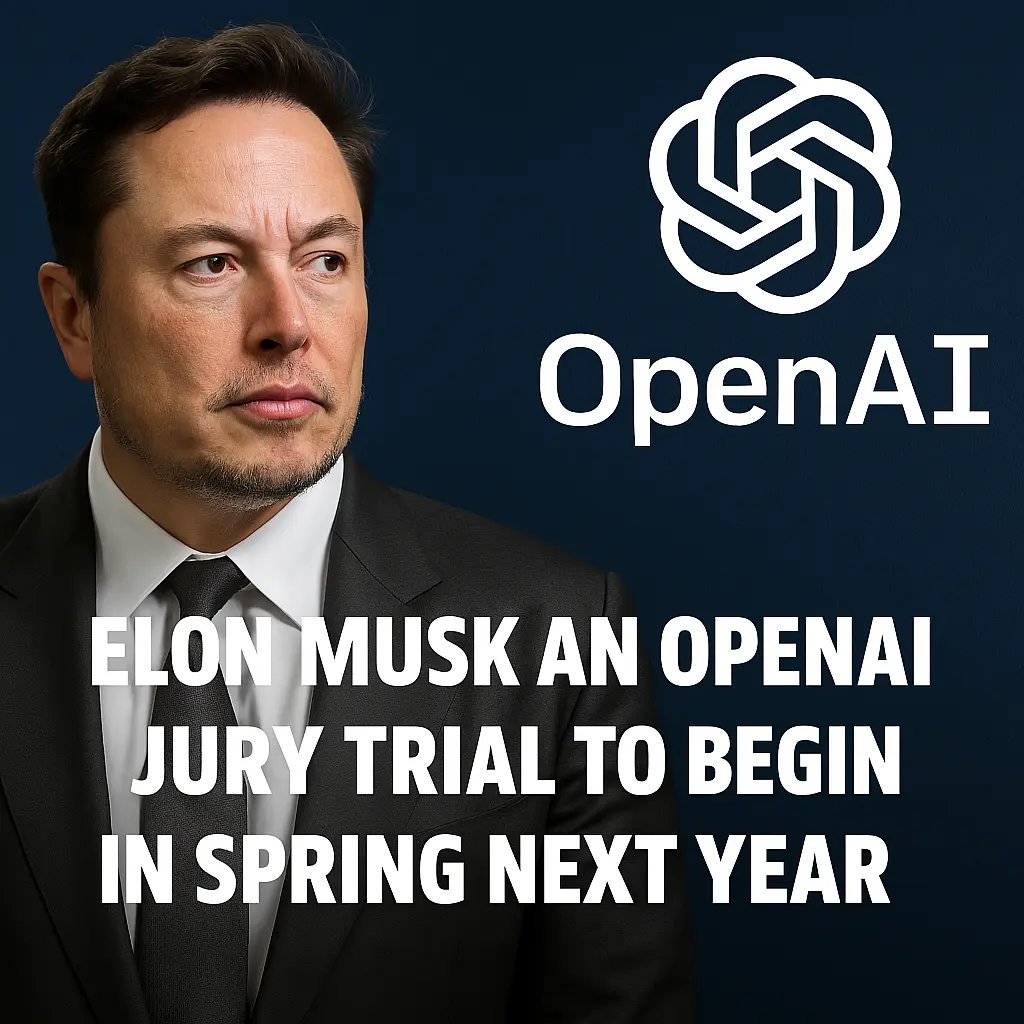
SAN FRANCISCO, CA — A high-stakes legal battle between tech mogul Elon Musk and the artificial intelligence research company OpenAI is headed to a jury trial in spring 2026, following a judge’s ruling in a California court earlier this month. The case, which has sent shockwaves through Silicon Valley, centers on allegations by Musk that OpenAI has deviated from its founding mission to develop AI for the benefit of humanity.
The trial, expected to begin between March and May 2026, could expose internal details about the company behind ChatGPT and how it has evolved from a nonprofit venture to a multibillion-dollar AI powerhouse.
⚖️ The Lawsuit at a Glance
Elon Musk, a co-founder and early backer of OpenAI, filed the lawsuit in February 2024, claiming breach of contract, fiduciary duty, and misrepresentation. The central claim revolves around the idea that OpenAI, once envisioned as an open-source research lab, has since transformed into a closed, profit-driven organization, particularly after its collaboration with Microsoft and the development of GPT models that Musk argues are now being used commercially without public accountability.
Musk has asserted that OpenAI's transition contradicts the nonprofit principles it was founded upon in 2015, when he and others pledged to develop AI safely and for the common good.
“This case is about the soul of artificial intelligence,” said Musk in a statement following the suit. “What we build today will define the future of civilization.”
🧠 OpenAI’s Response
OpenAI has denied the allegations, calling Musk’s claims “without merit.” In court filings, the organization highlighted that Musk left the company’s board voluntarily in 2018 and that OpenAI’s transition to a “capped-profit” model was both transparent and legally sound. The company argues that such a move was necessary to raise capital and compete with global tech giants in the rapidly evolving AI landscape.
They also emphasize that Microsoft’s involvement, including its multibillion-dollar investment, has not compromised OpenAI’s mission to ensure artificial general intelligence (AGI) benefits all of humanity.
🧾 Key Legal Issues
The case raises several critical legal questions that will likely shape discourse in both tech and law circles:
-
Did OpenAI violate its founding agreements with Musk?
-
Is there a legal obligation to maintain nonprofit status when none was codified in formal contracts?
-
Can AI companies ethically pivot toward profit under changing market conditions?
Legal analysts suggest the outcome may depend on the strength of any early email communications, board meeting records, or other informal agreements made during OpenAI’s formation.
🗓️ Timeline and Trial Outlook
The presiding judge has ruled that the case will proceed to a jury trial, tentatively scheduled for spring 2026. Pre-trial discovery is already underway, with both sides expected to subpoena internal documents and call high-profile witnesses—including current and former OpenAI executives.
Musk's legal team has also hinted at revealing correspondence and early discussions about AGI strategy, transparency commitments, and board-level decisions.
🤖 Broader Implications for AI Ethics
This courtroom drama doesn’t exist in a vacuum. As AI systems like GPT-4 and beyond grow in power and influence, debates about accountability, openness, and public oversight are intensifying.
Some experts believe the trial could set precedent for how tech founders and investors are held accountable to the missions of the organizations they help build.
"Whether or not Musk wins in court, this case is going to force the industry to reckon with some uncomfortable truths about profit, power, and responsibility in AI development," says Dr. Lillian Cho, an AI policy expert at Stanford University.
📍 What's Next?
Until the trial begins in earnest, both sides will continue to build their cases and engage in discovery. The world will be watching closely as two of the biggest names in AI and technology face off in what could become one of the most important legal battles of the AI age.